
Plants
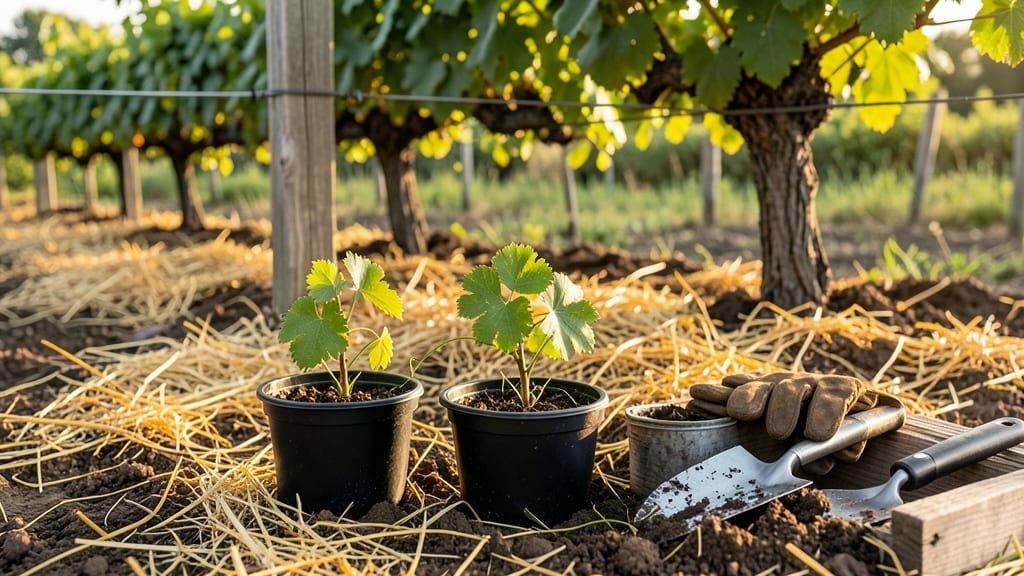
Timing your grape vine planting in Zone 7 could mean the difference between a thriving 🍇 harvest and struggling vines that never quite recover.
Unlike many plants, grape vines need a precise window to establish strong roots before facing Zone 7's unpredictable frosts—typically between March and November, but with critical nuances.
Most gardeners in Zone 7 assume spring is the only option, but late fall planting actually gives vines a head start on root growth before winter dormancy.
The key is understanding your local frost dates—coastal areas might have 2-3 extra weeks of growing season compared to inland regions, which can shift your ideal planting window by 4-6 weeks.
I'll walk you through exactly when to plant for maximum success, including soil temperature thresholds and how to prepare your site for frost resilience. Whether you're working with bare-root vines or container-grown plants, these insights will help you avoid common mistakes that derail grape vine growth from the start.
Ready to set your vines up for a bountiful harvest? Let's break down the science behind the perfect planting window and what you can do to give your grape vines the best possible start in Zone 7's climate.

Best months to plant grape vines in Zone 7 for maximum root establishment
In Zone 7, planting grape vines at the right time ensures strong root growth before winter dormancy. The ideal window is just after the last frost date (around mid-April) or in late fall (before first frost, typically mid-November).
This timing lets vines establish roots before extreme cold hits.
For spring planting, aim for March to early April when soil temperatures reach 50°F (10°C). In fall, plant October to November so roots develop before dormancy. Coastal areas may extend fall planting slightly later due to milder winters.
Soil temperature is critical—roots grow best when soil is at least 50°F (10°C). Use a soil thermometer to confirm readiness. Planting too early risks frost damage, while planting too late may limit root establishment before winter.
| Planting Window | Soil Temp Requirement | Root Growth Benefit | Frost Risk |
|---|---|---|---|
| Early Spring (March-April) | 50°F (10°C)+ | Strong root system before summer heat | Low (after last frost) |
| Late Fall (October-November) | 50°F (10°C)+ | Established roots before dormancy | Moderate (before first frost) |
| Avoid (February, May) | N/A | Weak root growth or frost damage | High |
Zone 7's microclimates matter—coastal areas have later frosts (up to December), while inland regions may freeze by November. Adjust planting dates accordingly. For example, Charleston, SC (coastal) can plant until December, while Lexington, KY (inland) should finish by October.
Bare-root vines planted in spring need 6-8 weeks of warm soil to establish roots before summer. Fall-planted vines should have 4-6 weeks of root growth before dormancy. Container-grown vines are more flexible but still benefit from spring or fall planting.
Use mulch (straw or wood chips) after planting to retain soil warmth and moisture. This is especially critical in spring to help roots push through cooler topsoil layers. Mulch also protects young vines from temperature fluctuations.
Monitor local frost dates—check the USDA Plant Hardiness Zone Map and your local cooperative extension service for precise dates. In Zone 7, average last frost is April 15, but inland areas may experience late frosts into May.
If you miss the ideal window, container planting is a backup. Containers warm up faster in spring and can be moved to protected areas in fall. Just ensure the container has drainage holes and is large enough (at least 15-gallon) for root growth.
Remember: Root establishment is key—vines planted too late may struggle to harden off before winter. Prioritize soil prep (amend with compost) and watering (deep soaks weekly) to support early growth.
How to prepare grape vine planting sites in Zone 7 for frost resilience
Preparing your grape vine planting site in Zone 7 is just as critical as choosing the right planting window. The goal? A frost-resistant environment that supports strong root growth and protects young vines from late-spring or early-fall frosts.
Start by selecting a sunny, sheltered location—grapes thrive with 6+ hours of direct sunlight but need protection from harsh winds that can stress tender new growth.
Before planting, test your soil pH—grapes prefer a slightly acidic to neutral range of 6.0 to 7.0.
If your soil is too alkaline, amend it with sulfur or peat moss to lower the pH. Drainage is another key factor: waterlogged roots can lead to root rot, especially in Zone 7’s wet springs.
Mix in compost or well-rotted manure to improve soil structure and fertility without overwhelming the vine.
⚠️ CALLOUT WARNING
- Planting in heavy clay soil without amendments—roots suffocate.
- Overwatering before roots establish—leads to fungal diseases like powdery mildew.
- Skipping mulch in winter—exposes vines to frost heave and temperature swings.
- Ignoring microclimates—coastal areas stay warmer longer than inland zones.
For frost protection, install a trellis or arbor to elevate vines slightly off the ground, reducing exposure to radiation frost. In Zone 7’s transitional seasons, consider wrapping young vines with frost cloth during unexpected cold snaps.
If planting in late fall, choose a site with a south-facing slope to capture warmth and delay frost penetration.
Mulching is non-negotiable in Zone 7’s variable climate. Apply a 3-4 inch layer of organic mulch (straw, wood chips, or pine needles) around the base of the vine. This insulates roots in winter and retains moisture during summer droughts. Replenish mulch annually—it breaks down quickly and loses effectiveness.
Finally, prune strategically before planting. Remove any damaged or diseased canes to reduce stress on the vine. For bare-root vines, soak roots in water or a rooting hormone for 1-2 hours before planting to jumpstart growth.
This is especially important in Zone 7’s cooler springs, where slow root establishment can delay fruiting.
With the right site prep, your grape vines will establish strong roots and weather Zone 7’s frosts like a pro. The key? Amend soil, protect from wind, mulch heavily, and monitor microclimates—your future harvest depends on it! 🌱🍇