
Plants
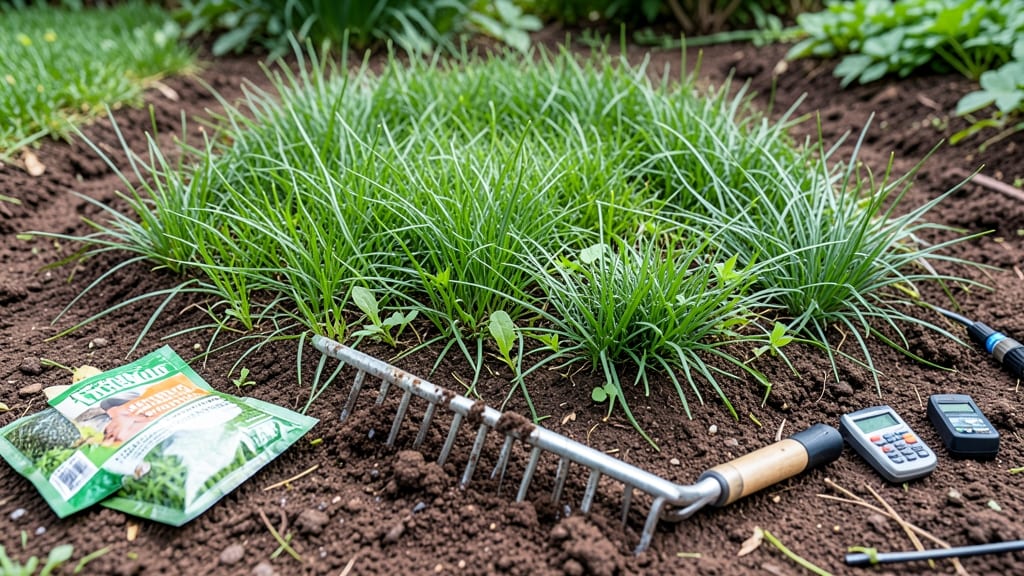
Timing your grass planting in North Carolina right can mean the difference between a lush, green lawn and months of frustration. With the state's diverse climate—from the humid Coastal Plain to the cooler Mountain regions—getting it wrong often leads to weak germination or even total failure.
The key isn't just picking a season; it's understanding when your soil warms up, when frost threatens, and which grass type thrives in your specific zone.
Most gardeners in North Carolina's 6a-8b zones know the two best windows: early spring (March-April) and early fall (August-September). But here's the catch: planting too early risks frost damage, while waiting too late means your grass struggles to establish roots before winter.
I'll break down exactly when to plant based on soil temperatures, frost dates, and regional microclimates—so you can avoid common mistakes and get that perfect green carpet you're dreaming of.
Did you know soil temperature matters more than calendar dates? For cool-season grasses like tall fescue, aim for 60-70°F—that's usually late March to early April in most of NC. Warm-season grasses like Bermuda prefer even warmer soil, often waiting until May.
I'll walk you through how to check your soil temp (it's easier than you think!) and adjust your planting schedule for your exact location, whether you're in Raleigh, Asheville, or the Outer Banks.
Whether you're seeding a new lawn or overseeding an old one, getting the timing right saves time, money, and headaches. Let's dive into the science behind North Carolina's planting windows—so you can finally stop guessing and start growing that lawn of your dreams.
North Carolina grass planting timeline by soil temperature and frost zones
North Carolina’s diverse climate—from the humid Coastal Plain to the cooler Appalachian Mountains—means grass planting timing varies dramatically across the state. Cool-season grasses like tall fescue thrive in spring and fall, while warm-season varieties such as Bermuda grass need summer heat to establish. Soil temperature is your best guide: aim for 50-65°F for cool-season grasses and 65-75°F for warm-season types.
Timing isn’t just about months—it’s about frost dates. Average last frost in NC ranges from March 15 (Coastal Plain) to April 15 (Mountains), while first frost arrives between November 1-15.
Planting too early risks frost damage, while waiting too late can lead to bolted seeds or weak germination.
Here’s how to align your planting with North Carolina’s 7 climate zones for maximum success:
For cool-season grasses, early spring (March-April) and early fall (August-September) are ideal. Warm-season grasses should go in late spring (May-June) when soil warms consistently. Test your soil temperature with a soil thermometer—this is more reliable than guessing by air temperature.
In Zone 8a (Coastal Plain), you can plant Bermuda grass as early as April, but wait until May in Zone 6b (Mountains) to avoid frost. Fall planting is a secret weapon: cooler temps reduce weed competition, and grass establishes roots before winter dormancy.
Pro tip: If you’re in western NC’s drought-prone areas, prioritize deep watering during establishment. Shade-tolerant varieties like fine fescue work well in urban Piedmont areas with partial shade.
Remember, soil prep matters just as much as timing. Loosen compacted soil, amend with compost, and level the area before seeding. Overseeding in fall is perfect for repairing thin lawns—just choose a drought-resistant variety if your region gets dry winters.
North Carolina’s microclimates can shift planting windows by weeks. Check local USDA Plant Hardiness Zone maps and monitor weekly frost forecasts from the NC State Climate Office for real-time adjustments.
By aligning your planting with soil temps and frost dates, you’ll skip the guesswork and end up with a thick, vibrant lawn that survives NC’s humid summers and mild winters. 🌱
How to avoid common grass planting mistakes in North Carolina’s climate
North Carolina’s humid summers and mild winters create unique challenges for grass planting. Many homeowners make costly mistakes by ignoring soil conditions, grass type compatibility, or watering schedules. Let’s break down the most common pitfalls and how to avoid them for a thriving lawn.
First, planting too early in spring risks frost damage to tender seedlings. Even if the air feels warm, soil temperatures below 50°F can stunt germination. Similarly, waiting until late summer means competing with weeds for moisture and nutrients during NC’s peak heat.
Another frequent mistake is skipping soil prep. North Carolina’s clay-heavy soils in the Piedmont or sandy soils along the coast need amendment with compost or peat moss to improve drainage and aeration.
A simple soil test (available through NC State Extension) can reveal pH imbalances—ideal grass pH is 6.0-7.0.
- Planting too early/late – Seedlings can’t survive frost or drought.
- Choosing the wrong grass type – Cool-season grasses (like tall fescue) struggle in hot summers.
- Overwatering or underwatering – Daily light watering is critical for germination.
- Ignoring weeds – Pre-emergent herbicides can block grass seeds from sprouting.
Many gardeners also overlook post-planting care. New grass needs consistent moisture—about 1 inch per week—but avoid watering at night to prevent fungal diseases like brown patch. For established lawns, reduce watering to every 7-10 days once roots are deep.
Finally, fertilizing at the wrong time can burn seedlings. In NC, spring and fall are ideal for feeding, but avoid heavy nitrogen in summer when grass is stressed by heat. A slow-release fertilizer (like 10-10-20) applied in early spring encourages strong root growth before summer’s challenges.
By avoiding these mistakes, your North Carolina lawn will establish faster, resist pests, and stay green year-round—no matter your region’s microclimate. Start with the right timing, prep your soil, and stick to a consistent care routine for best results.