
Plants
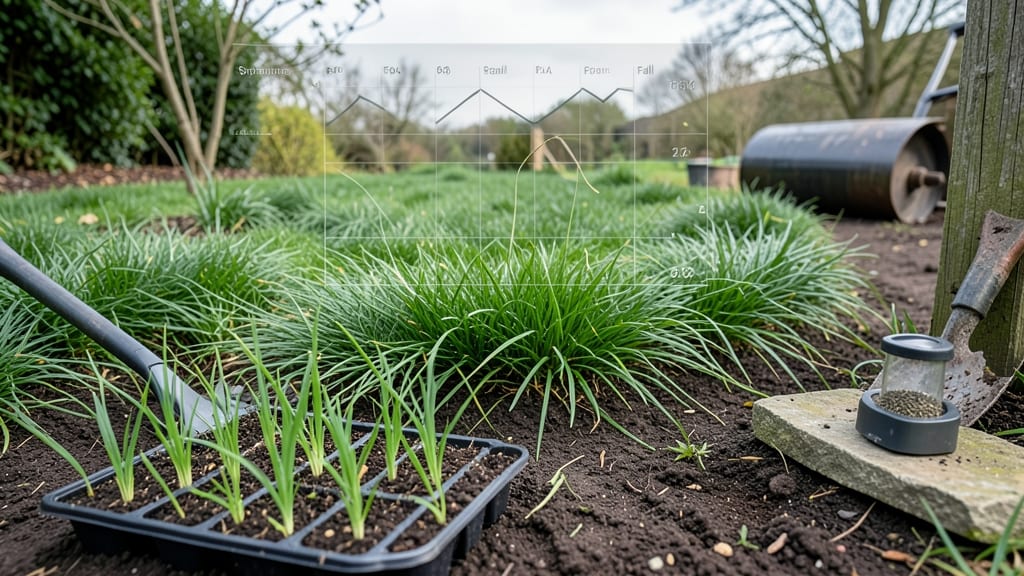
Planting grass in Western Washington State at the wrong time can turn your dream of a lush lawn into a patchy, weed-filled disappointment. With our cool, wet climate and 8a-9a growing zones, timing is everything—but most people still get it wrong.
You might think spring is the only option, but early fall is actually the best time to plant 🌱 Grass (Turfgrass) here. Why? Because cooler soil temperatures and consistent rainfall give seeds the perfect environment to germinate without drying out or overheating.
In this guide, I’ll break down the exact month-by-month planting window for Western Washington, plus how to prep your soil and pick the right grass type for your yard. No more guesswork—just a thick, green lawn that stays vibrant year-round.
Ready to skip the trial-and-error? Let’s get started with the ideal planting schedule that actually works in our region.
Best months to plant grass in Western Washington’s cool-season climate
Western Washington’s cool, wet climate favors cool-season grasses like Kentucky bluegrass and fescue, which thrive in temperatures between 50°F and 65°F. Unlike warmer climates, you have two prime planting windows: early fall and early spring.
Fall is ideal because cooler temps reduce weed competition and drought stress, while spring gives grass time to establish before summer heat.
Inland areas (like Spokane) have slightly warmer microclimates, allowing for a 1-2 week extension in planting windows compared to coastal regions (like Seattle or Bellingham). Coastal zones stay cooler longer, so focus on September to early October for fall planting, while inland areas can push to mid-October.
Spring planting works best in March and April, right after the last frost date (typically mid-April in most of Western WA). Planting too early can expose seeds to late frosts, while waiting too long risks summer drought and weed takeover.
Aim for soil temperatures between 50°F and 60°F for optimal germination.
Here’s a quick reference for your region’s planting windows:
If you miss these windows, over-seeding in late fall (November) can still work, but growth will slow as temperatures drop. Coastal areas should avoid planting after October 15th, while inland regions can stretch to November 1st with extra care.
Avoid planting in summer (June–August)—the heat and drought stress seedlings, even with frequent watering. Instead, use this time to repair existing lawns or aerate soil for next year’s planting. Western WA’s high humidity also increases fungal risks, so proper drainage is critical.
Pro tip: Test your soil’s moisture retention before planting. Sandy soils dry out faster, while clay holds too much water. Amend with compost or peat moss to improve conditions. A simple soil test kit (available at garden centers) ensures you’re ready for the best planting success.
For new lawns, seed or sod should be in the ground 4–6 weeks before the first hard frost (usually late October). This gives roots time to establish before winter dormancy. If you’re over-seeding, aim for September to boost density before cold sets in.
Best months to plant grass in Western Washington’s cool-season climate
Western Washington’s cool, wet climate makes early fall and late winter the best times to plant grass. Unlike warm-season grasses, cool-season varieties like Kentucky bluegrass and fescue thrive when soil temperatures hover between 50°F and 65°F.
This range aligns perfectly with Western WA’s spring and fall conditions, avoiding the stress of summer heat or winter dormancy.
Inland areas like Spokane or Yakima may have slightly warmer soils, but coastal regions like Seattle or Olympia stay cooler longer. Always check your last frost date (typically mid-April) and first frost date (late October) to time your planting for maximum success.
| Month | Ideal Planting Window | Soil Temp (°F) | Notes |
|---|---|---|---|
| March | Early March | 45-55°F | Soil warms quickly; avoid late March planting if dry. |
| April | Mid-April to early May | 50-60°F | Best for sod or seed; rainfall helps germination. |
| September | Early to mid-September | 60-65°F | Grass establishes before winter; low competition from weeds. |
| October | Early October | 55-60°F | Risk of early frost; prioritize fast germination seeds. |
Avoid planting in summer (June-August) when soil temperatures often exceed 70°F, causing seed dormancy or stress. Winter planting (December-February) is also risky due to frost heave and slow germination. Instead, opt for overseeding in late fall to fill thin patches or repair damaged lawns.
For coastal areas, like the San Juan Islands, plant 1-2 weeks later than inland regions—cooler ocean breezes delay soil warming. Use a soil thermometer to confirm temperatures before seeding; aim for consistent 50°F+ for 10+ days to ensure strong root establishment.
Pro tip: If you miss the ideal window, late August is a secondary option. Just water deeply and mulch lightly to protect seeds from late-summer heat. Spring planting is forgiving, but fall yields the thickest, most resilient lawns by winter.
Western Washington’s high humidity and frequent rain can also lead to fungal diseases like dollar spot if seeds aren’t planted at the right time. Always test soil pH (6.0-7.0) and improve drainage before seeding to minimize risks.