
Plants
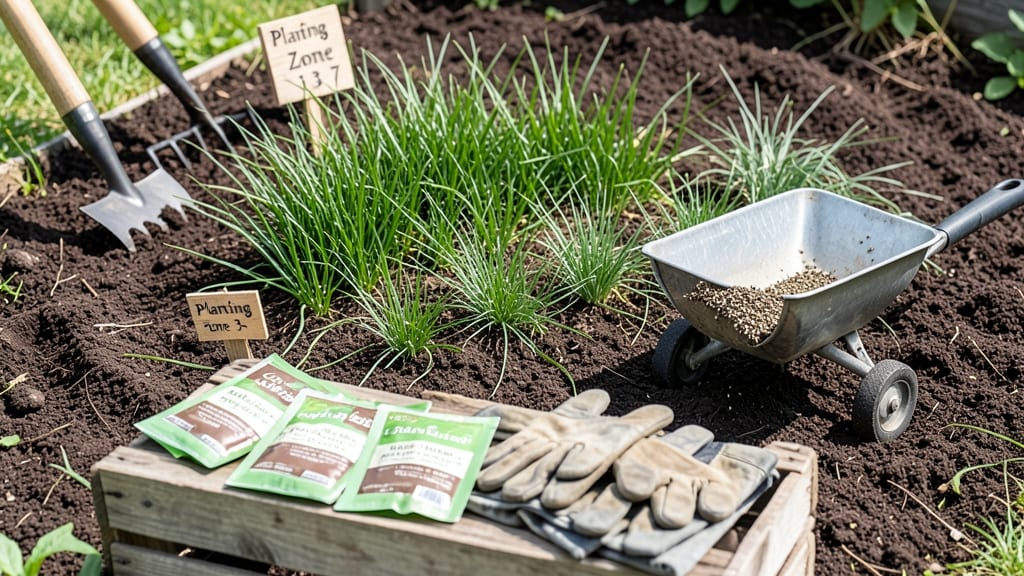
Planting grass seed in Idaho isn’t just about picking a random weekend—it’s about syncing your schedule with soil temperatures, frost dates, and your specific microclimate. Get the timing right, and you’ll watch your lawn transform into a vibrant, weed-resistant carpet.
But miss the window, and you’re staring at patchy, struggling grass that never quite lives up to its potential.
Here’s the secret: Idaho’s USDA Zones 4b-7b create wildly different conditions. In the northern mountains, early spring might still bring frost, while southern regions like Boise can bake by summer.
That’s why March-April and August-September are your best bets—but even then, soil temperature (not just air temperature) is the real game-changer.
I’ll break down exactly when to plant in your corner of Idaho, whether you’re battling clay soil in the Treasure Valley or high-altitude challenges in the mountains. You’ll learn how to read your soil, adjust for unpredictable weather, and even outsmart Idaho’s wildlife that loves fresh grass sprouts.
Ready to skip the guesswork? Let’s dive into the best months for your lawn, tailored to your exact location and grass type. Your future green oasis starts with the right timing—and I’ve got the data to back it up.
Idaho’s best months to plant grass seed by microclimate Zone
Idaho’s diverse geography—from the high-altitude mountains of the north to the Treasure Valley’s desert-like conditions—means one planting window doesn’t fit all. Cool-season grasses like Kentucky bluegrass and fescue dominate Idaho lawns, thriving in spring and early fall when temperatures are mild.
Warm-season grasses like Bermuda (rare in Idaho) prefer late spring to early summer, but they’re not ideal for most of the state.
Let’s break down the best planting months for Idaho’s four key regions, where soil temperature and frost dates dictate success. Whether you’re in Zone 4b’s cold northern valleys or Zone 7b’s warmer southern plains, timing is everything to avoid wasted seed and weed competition.
For northern Idaho’s high-altitude areas, like Coeur d’Alene, wait until late May or early September to avoid late spring frosts that can kill young seedlings.
The Treasure Valley, including Boise, offers the most flexibility with March–April and August–September windows, thanks to its milder climate. Central Idaho straddles both extremes—plant in April–May or late August to align with soil warming and cooling patterns.
In southern Idaho’s Eastern Plains, where temperatures swing wildly, September planting is often the safest bet. The Idaho State University Extension recommends checking soil temperatures with a soil thermometer (available at local nurseries) to confirm readiness. Aim for 50°F or warmer for cool-season grasses—any cooler, and germination slows dramatically.
Pro tip: Early fall planting (August–September) is my top recommendation for most of Idaho. The soil stays warm from summer’s heat, but cooler air temperatures reduce stress on seedlings. Plus, weeds are less aggressive in fall, giving your grass a competitive edge.
Just be ready to cover new seed with a light frost cloth if an early freeze sneaks in.
If you’re planting in spring, don’t rush—wait until after the last frost date (typically mid-April in Zone 7b and late May in Zone 4b). Use the Idaho Master Gardener Program’s frost maps as a guide, or ask your local cooperative extension office for precise dates.
Spring planting also means more vigilant watering to outpace summer drought.
Regardless of your region, avoid planting in late summer (July–August) unless you’re in Zone 7b’s southern tip. The intense heat
Soil temperature and weather conditions for successful germination
Idaho’s unpredictable weather—from spring frost to summer droughts—means soil temperature and weather timing are everything when planting grass seed. Cool-season grasses like Kentucky bluegrass and fescue thrive when soil hits 50–65°F, while warm-season grasses like Bermuda need 65–75°F.
Check with a soil thermometer (available at local nurseries) to avoid wasted seed.
Spring planting risks frost damage, while late summer heat can dry out seeds before germination. Early fall (August–September) often wins for most Idaho regions because cooler temps and consistent moisture create ideal conditions. Northern Idaho’s shorter growing season demands even earlier timing—aim for late May to mid-July to beat early frosts.
Use Idaho State University Extension’s frost maps to track local risks. For example, Boise’s last frost averages April 15, but high-altitude areas like McCall may see frost until May 15. Adjust your schedule by 2–4 weeks if you’re above 5,000 feet.
Even with perfect timing, Idaho’s clay-heavy soils can trap moisture or dry out too fast. Test your soil’s water retention by digging a 6-inch hole—if it stays damp for 24 hours, you’re ready. Amend with compost to improve drainage if needed.
Watch for unpredictable rain patterns, especially in spring. Overwatering can wash seeds away, while drought in late summer stalls germination. Keep a weather app handy to plan for 5-day forecasts—consistent 1-inch weekly watering is critical for the first 30 days.
For warm-season grasses, like Zoysia, time planting for late spring (May–June) when soil warms. But beware: Idaho’s Eastern Plains can dry out quickly—mulch with straw to retain moisture until roots establish.