
Plants
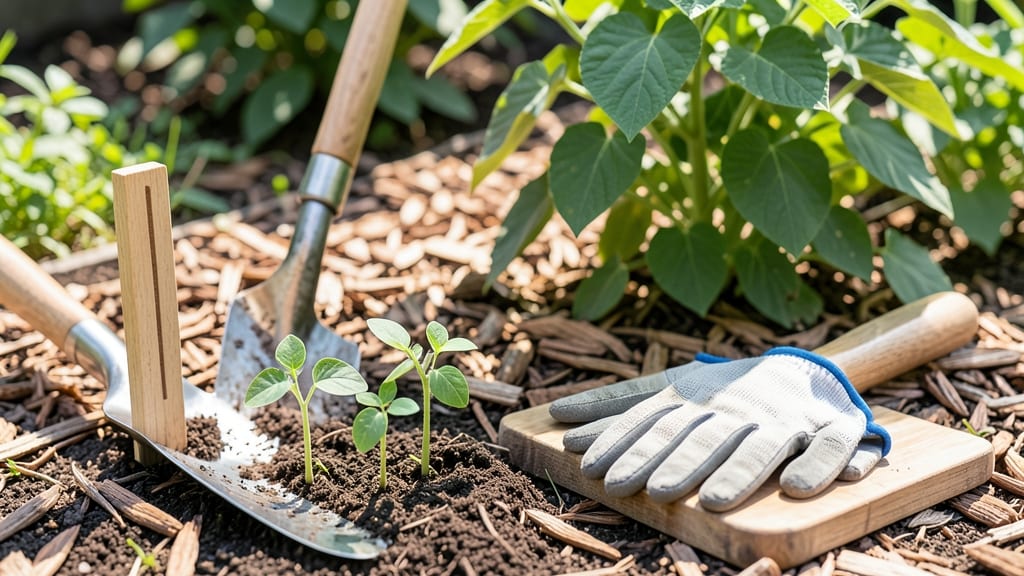
Timing is everything when it comes to growing fast, productive green beans 🌱 in Zone 6b—plant too early, and you risk slow germination or even rot. The key isn't just waiting for spring; it's understanding when your soil actually reaches that sweet spot of 60°F+ for reliable growth.
I've learned the hard way that rushing to plant after your last frost date (around April 15) doesn't guarantee success. Cold soil can stall your beans for weeks, leaving you frustrated and behind schedule. Instead, we'll focus on two proven planting windows that align with your climate's natural rhythm.
What you'll discover here is how to use simple soil tests (no fancy equipment needed) to pinpoint the perfect moment for both spring and fall plantings.
Whether you're aiming for a summer harvest or extending your season into autumn, these timing tricks will give you a head start on a bountiful crop.
Let's cut through the guesswork so you can enjoy fresh, crisp green beans straight from your garden—without the waiting game. Your Zone 6b garden deserves better than trial and error, and these strategies will have you planting with confidence every season.

Ideal planting dates for green beans in Zone 6b based on soil temperature
Green beans (Phaseolus vulgaris) love warmth, but in Zone 6b, rushing planting can backfire. The key is waiting for soil temperatures above 55°F—this ensures fast germination, not moldy seeds.
Most gardeners in this zone plant twice: once in late spring and again in early fall for a double harvest.
Your last frost date in Zone 6b is typically around April 15, but don’t plant until 2-3 weeks after that date. Cold soil slows germination, and beans won’t thrive until temperatures stabilize.
For fall planting, aim for August 1-31—this gives plants time to mature before the first frost on October 15.
Here’s the science: Green beans need 60-70°F soil to sprout reliably. If you plant too early, seeds may rot in damp, chilly soil. Use a soil thermometer to confirm readiness—this simple tool saves time and frustration.
Pro tip: Succession planting every 2 weeks after your initial date extends your harvest. For example, plant a batch on May 1, another on May 15, and a final one by June 1 to keep pods coming all summer.
If you’re growing bush beans (like ‘Blue Lake’), they’re more forgiving than pole beans (like ‘Kentucky Wonder’). Bush varieties tolerate cooler soil slightly better, but neither should be planted until the ground warms.
🌱 Zone 6b Green Bean Planting Summary
| Planting Window | Soil Temp | Last Frost Buffer | Harvest Window |
|---|---|---|---|
| Late Spring (May 1-15) | 60-70°F | 2-3 weeks after last frost | July-August |
| Early Fall (August 1-31) | 65-75°F | 8-10 weeks before first frost | September-October |
💡 Note: Fall plantings need warmer soil than spring—wait until late August when temps are stable.
For container gardening, use black pots to absorb heat and plant 1-2 weeks earlier than in-ground. Black containers warm up faster, mimicking the effect of dark soil. Just ensure pots have drainage holes to prevent waterlogged roots.
If you’re unsure about your exact last frost date, check your local cooperative extension service—they provide hyper-local data. For most of Zone 6b (think Chicago, Pittsburgh, or Denver), these dates hold true, but microclimates near lakes or mountains may vary by 1-2 weeks.
Extend your season with row covers or cold frames if you’re eager to plant earlier. These protect young seedlings from 32°F+ temperatures but remove them once soil warms to 60°F to prevent overheating.
Remember: Patience pays off. Rushing leads to leggy, weak plants or no germination at all. A few extra weeks waiting for perfect conditions mean bushier plants, more pods, and sweeter beans all season long.
Ideal planting dates for green beans in Zone 6b based on soil temperature
Green beans in Zone 6b need warm soil (at least 55°F) to germinate properly. Planting too early can leave seeds sitting in cold, damp soil, leading to rot or mold. The key is timing your planting with soil temperature and last frost dates—typically April 15 in Zone 6b.
For a continuous harvest, aim for two planting windows: the first in late spring (after last frost) and a second in early fall for a second crop. Fall planting works well because green beans mature quickly (50-65 days), avoiding early frost risks.
Here’s the breakdown of ideal planting windows based on soil temperature and Zone 6b climate:
| Planting Window | Soil Temp Requirement | Last Frost Risk | Harvest Window |
|---|---|---|---|
| Late Spring (Primary) | 55°F+ (consistently) | After April 15 | July–August |
| Early Fall (Secondary) | 60°F+ (ideal) | Before October 1 | September–October |
In Zone 6b, the last frost date is around April 15, but don’t rush to plant. Wait until soil warms to 55°F—use a soil thermometer to check. For fall planting, aim for August 1–31 to ensure beans mature before the first frost (October 15).
Pro tip: If your soil is slow to warm, try black plastic mulch to raise soil temperature faster. This works especially well for early spring plantings in cooler microclimates within Zone 6b.
For heirloom varieties, like Kentucky Wonder, plant slightly later than hybrids—they’re more sensitive to cold soil. Hybrids like Blue Lake tolerate cooler conditions better, making them ideal for early spring or fall plantings.
Always monitor your garden’s microclimate. A south-facing bed warms up faster than a north-facing one, so adjust planting dates accordingly. With the right timing, you’ll enjoy fresh green beans from July through October!