
Plants
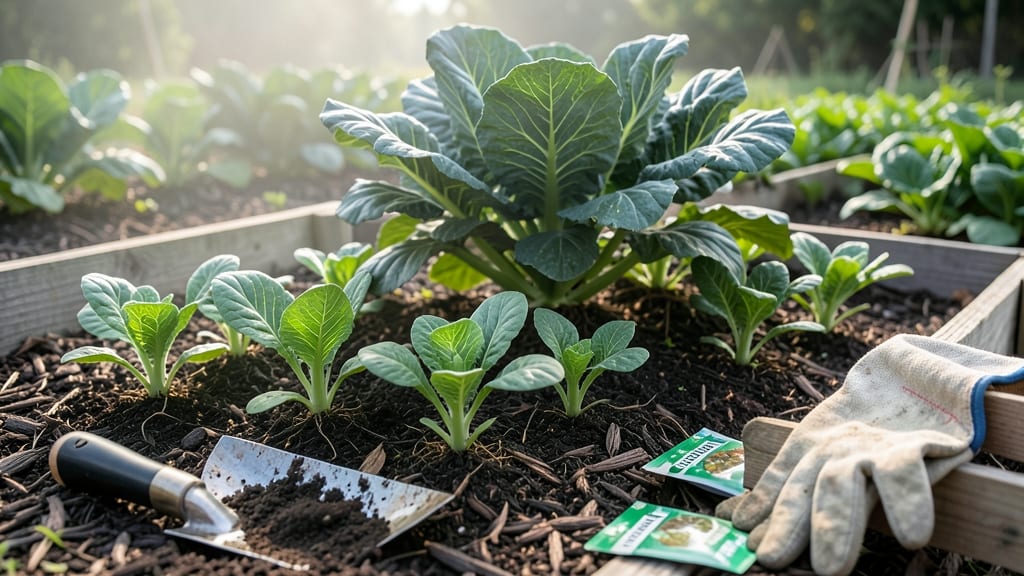
Timing your leafy greens 🥬 planting in Georgia could mean the difference between a thriving garden and a sad, wilted disappointment. The 7a-9a climate zones here offer two perfect windows—fall and spring—but getting it wrong means bolting plants or stunted growth.
If you've ever planted greens only to watch them bolt in summer heat or freeze before harvest, you're not alone. Georgia's unpredictable weather makes timing everything. I'll show you exactly when to plant for maximum yield, including heat-tolerant varieties that defy summer's worst.
We'll cover the critical 4-6 week window before first frost, soil prep secrets, and how to stretch harvests through winter. Whether you're a beginner or seasoned gardener, these strategies will keep your greens growing when others give up.
Let's dive into the exact planting schedule that works for Georgia's climate—no more guesswork, just consistent harvests from October through June. Your garden (and taste buds) will thank you.
Georgia’s frost-free deadlines for planting greens by season
Georgia’s USDA zones 7a-9a offer a 200-day frost-free growing season, but timing is everything for leafy greens. The average last frost date is March 15, while the first frost typically arrives around November 15.
These dates create two prime planting windows: late winter/early spring and late summer/early fall. Miss these windows, and you’ll battle bolting or frost damage.
For spring plantings, start seeds indoors 6-8 weeks before your last frost (around January 15) or sow directly in February to early April. Soil temperatures should reach 40°F (4°C) for optimal germination.
In northern Georgia (zones 7a-7b), aim for March 1 as your cutoff for direct sowing, while southern Georgia (zones 8a-9a) gardeners can push it to March 15.
Fall is your best bet for consistent harvests, especially for heat-sensitive varieties like lettuce and spinach. Begin sowing 4-6 weeks before your first frost—typically late August to early September.
This gives greens enough time to mature before November’s chill sets in. In zone 9a, you can even plant through October for winter harvests.
Here’s the key rule: Plant cool-season greens 60-70 days before frost. For example, if your frost date is November 15, start seeds by September 15. Use this summary table to map out your planting schedule by region:
| Region (USDA Zone) | Last Frost Date | Spring Planting Window | Fall Planting Window | Heat-Tolerant Backup |
|---|---|---|---|---|
| 7a (North GA) | March 15 | Feb 15 – Mar 15 | Aug 15 – Sep 15 | Swiss chard, Malabar spinach |
| 7b (Central GA) | March 1 | Feb 1 – Mar 15 | Aug 1 – Sep 10 | New Zealand spinach |
| 8a (South GA) | Feb 15 | Jan 15 – Mar 1 | Jul 30 – Sep 5 | Kale, collards |
| 9a (Coastal GA) | Jan 31 | Jan 1 – Feb 28 | Jul 15 – Oct 1 | Amaranth, heat-tolerant lettuce |
🌱 Pro Tip: Use row covers to extend fall harvests by 2-3 weeks in cooler zones.
Missed the spring window? Don’t despair—succession planting is your secret weapon. Sow small batches every 2 weeks from February to April to stagger harvests. For example, plant 50% of your seeds in February, another 30% in March, and the final 20% in early April.
This ensures a continuous supply of greens without overwhelming your garden at once.
In summer’s brutal heat (think 90°F+), traditional greens like lettuce and spinach bolt within days. Instead, focus on heat-tolerant varieties or use shade cloth (30-50%) to keep soil temps below 80°F (27°C).
Water deeply in the early morning to prevent stress, and mulch with straw or grass clippings to retain moisture.
For winter harvests, take advantage of Georgia’s mild winters in zones 8a-9a. Plant hardy greens like kale and collards in October for harvests through January. In colder zones (7a-7b), use cold frames or low tunnels to protect tender varieties.
Even a lightweight row cover can raise soil temps by 5-10°F, preventing frost damage.
Always check your local extension office for microclimate adjustments. For example, Atlanta’s urban heat islands may frost 1-2 weeks later than rural areas. Tools like the Georgia Automated Environmental Monitoring Network (AEMN) provide real-time frost alerts to fine-tune your planting schedule.
Remember: Soil temperature matters more than air temperature. Use a soil thermometer to confirm 40°F (4°C) for cool-season greens and 60°F (15°C) for warm-season varieties. If soil is too cold, seeds won’t germinate—no matter how perfect the air feels.
Top 5 heat-tolerant greens for Georgia’s summer plantings
Georgia’s summer heat (often 90°F+) can turn traditional greens like lettuce into bolting disasters—but don’t give up! These 5 heat-resistant varieties thrive when temperatures soar, delivering crisp harvests even in July. I’ve grown them in USDA zones 7b-9a, and they’ve never let me down.
Most greens bolt (go to seed) when stressed by heat, but these powerhouses handle full sun exposure and high humidity like pros. Swiss chard, for example, not only survives summer but tastes sweeter after a heatwave—its stems even store nutrients for winter harvests.
⚠️ PRO TIP: Plant these varieties after Memorial Day (late May) to avoid early-season pests like cabbage worms. Start seeds indoors 6-8 weeks before your last frost date for a head start.
🌿 Heat-Tolerant Greens Comparison
| Variety | Pros | Cons | Best For |
|---|---|---|---|
| Swiss Chard | Heat-loving, nutrient-dense, regrows after harvest | Needs well-draining soil; slug-prone | Containers, succession planting |
| Malabar Spinach | True vine, thrives in 100°F+, no bolting | Requires trellis support; slower growth | Trellises, urban gardens |
| New Zealand Spinach | Drought-tolerant, edible leaves + stems | Mild flavor; needs rich soil | Dry climates, poor soil |
| Amaranth | Fast-growing, protein-rich, pest-resistant | Can self-seed aggressively; needs space | Large gardens, grain-like seeds |
| Southern Peas (Cowpeas) | Nitrogen-fixing, double harvest (leaves + pods) | Long maturity (90 days); needs warm soil | Soil improvement, long-season gardens |
💡 Planting Tip: Pair these with basil or marigolds to repel pests and boost flavor!
For summer success, focus on soil prep first. Amend your beds with 2-3 inches of compost and mulch with straw or pine needles to retain moisture. I’ve seen Swiss chard bolt in 80°F soil, so use a soil thermometer—ideal temps are 60-75°F.
Watering is critical: deep soak 2-3 times weekly at the base of plants (never overhead) to avoid fungal diseases like downy mildew. Drip irrigation works best—my Malabar spinach vines wilt dramatically if they dry out, even for a day.
Harvest these greens young and often to encourage regrowth. For Swiss chard, snip outer leaves when they’re 6-8 inches tall. With amaranth, harvest leaves at 4-6 inches and save seeds for next year’s garden.
The key? Consistency—don’t let them flower, or you’ll lose that tender, baby-green flavor.