
Plants
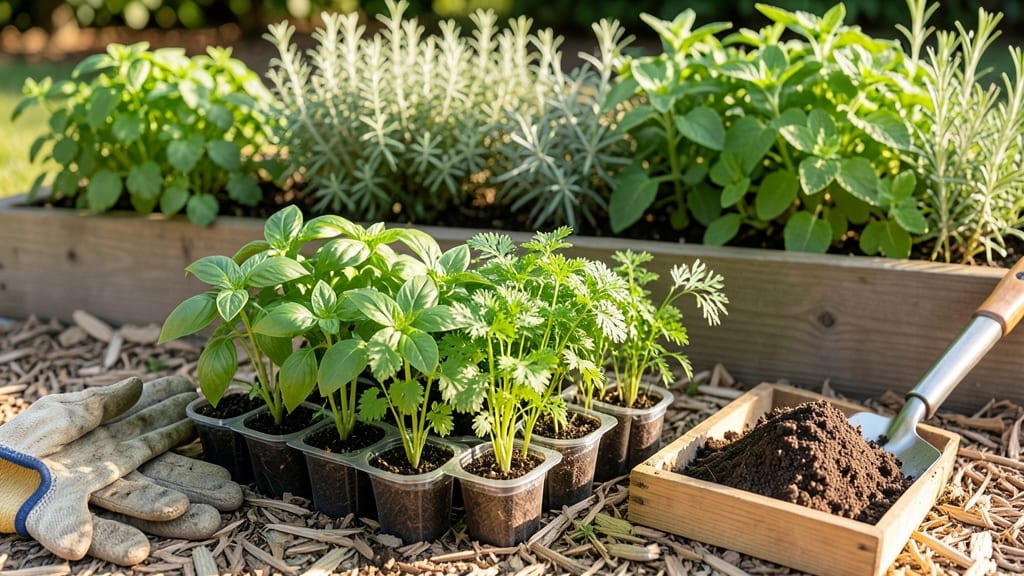
Timing your herb planting in Oklahoma can make or break your 🌿 kitchen garden—especially when those stubborn late frosts creep into April. Whether you're dreaming of fresh basil for summer salads or hardy rosemary for winter meals, getting the timing right is everything.
The key? Knowing your frost dates and matching them to the perfect planting window for each herb variety.
Most Oklahoma gardeners in zones 6a-7b should start their spring herbs between March and April, but the exact timing depends on whether you're planting cold-hardy favorites like thyme or heat-lovers like cilantro. Fall planting? That's your second chance between August and September—just before those first crisp nights arrive.
I've tested these strategies in Oklahoma's unpredictable climate, and the results speak for themselves: earlier starts mean bigger harvests, while late-season care can extend your growing window well into fall.
Let me walk you through exactly when to plant each variety and how to protect your herbs from Oklahoma's infamous frost surprises.
Ready to transform your garden into a year-round herb haven? We'll cover frost protection tips, soil prep secrets, and even how to overwinter your most precious plants. Your freshest herbs yet are just a planting schedule away!
Oklahoma herbs planting calendar by frost Zone and last frost dates
Oklahoma’s three distinct frost zones (7a, 7b, 8a) create unique planting windows for herbs. In Zone 7a (northern OK), last spring frosts average March 25–April 5, while Zone 8a (southern OK) sees them by March 1–15.
These dates determine when to move tender herbs like basil outdoors after indoor starts.
For cold-hardy herbs (thyme, oregano, sage), you can plant directly in early March in Zone 8a or mid-April in Zone 7a. Heat-lovers like cilantro and dill thrive when soil warms to 60°F+, typically late April–May across most of the state.
Use this frost-date guide to align your planting with Oklahoma’s 180–220 frost-free days. Northern areas have shorter seasons, so prioritize fast-maturing varieties like parsley (60 days) over slow growers like rosemary (90+ days).
🌱
🌿 Oklahoma Herbs Planting Summary by Zone
| Zone | Last Frost Date | Ideal Planting Window | Herbs for Early Start | Herbs for Late Start |
|---|---|---|---|---|
| 7a (North) | March 25–April 5 | April 15–May 10 | Thyme, Oregano, Sage | Basil, Cilantro, Dill |
| 7b (Central) | March 15–25 | April 1–April 15 | Rosemary, Parsley, Chives | Basil, Mint, Lemon Balm |
| 8a (South) | March 1–15 | March 15–April 1 | All Cold-Hardy Herbs | Basil, Stevia, Mexican Tarragon |
💡 Pro Tip: Start heat-sensitive herbs indoors 6–8 weeks before last frost for Zone 7a.
Microclimates complicate timing—urban areas (like Oklahoma City) often warm 1–2 weeks earlier than rural zones due to heat islands. Check your local weather station for real-time updates, especially if you’re in high-elevation areas (e.g., near Oklahoma City or Tulsa).
For fall planting, aim for August–September to establish roots before first frosts (October–November). Basil and cilantro can handle light frosts, but rosemary and thyme overwinter best with mulch protection.
Adjust your schedule if you’re using row covers or greenhouses—these can push spring starts back by 2–3 weeks and extend fall harvests into December. Just monitor soil temps with a thermometer to avoid chilling injuries.
🌡️
If you’re new to Oklahoma gardening, err on the side of planting later rather than early. A single late frost can wipe out tender seedlings, but established plants bounce back. For container herbs (like basil), you can move them indoors before fall frosts to extend their life.
🪴
Best herbs to plant in Oklahoma by season: heat-tolerant vs. frost-resistant varieties
Oklahoma’s diverse climate lets you grow herbs year-round, but some varieties thrive in spring’s mild temps while others love summer’s heat. For example, basil and cilantro bolt in Oklahoma’s 90°F+ summers, while rosemary and thyme handle frost down to 20°F.
Knowing which herbs to plant each season ensures a continuous harvest from your garden.
Start with cold-hardy herbs like oregano and sage in early spring (March), even before last frost. These perennials survive Oklahoma’s winter chill and bounce back in spring.
For summer planting (June–July), opt for heat-lovers like basil and dill, which need consistent moisture to avoid wilting in 100°F+ heat.
Fall is your second chance for cool-season herbs. Plant parsley and chives in September for harvests before first frost (mid-November). Use row covers to extend their season into December in milder USDA Zone 8a areas.
Succession planting—sowing new seeds every 2–3 weeks—keeps your kitchen stocked with fresh herbs all year.
🌱 Spring Planting (March–April)
• Plant thyme and rosemary (frost-tolerant)
• Start basil indoors 6–8 weeks before last frost
• Use mulch to warm soil for cilantro
• Plant basil outdoors before May
• Skip well-draining soil for mint (it spreads!)
• Overwater dill (causes rot)
☀️ Summer Planting (June–July)
• Choose heat-tolerant basil (e.g., 'Genovese')
• Plant oregano in partial shade to avoid scorching
• Use drip irrigation for consistent moisture
• Let soil dry out (herbs wilt fast)
• Plant cilantro (bolts in heat)
• Skip afternoon shade for parsley
🍂 Fall Planting (September–October)
• Sow parsley and chives 6 weeks before frost
• Harvest basil before first frost
• Use row covers to protect sage until December
• Plant warm-season herbs (e.g., basil) after September
• Ignore soil prep (add compost for fall growth)
• Skip mulching to insulate roots
For year-round success, pair heat-lovers with cool-season herbs. For example, grow basil in summer containers and swap them for parsley in fall. Oklahoma’s microclimates (like urban heat islands) can shift planting windows by 2–3 weeks, so monitor your local frost dates and adjust accordingly.
Pro tip: Label your plants by planting date to track which varieties thrive in each season. Over time, you’ll discover your garden’s personalized herb schedule—whether that’s cilantro in spring, basil in summer, or sage in fall. 🌿