
Plants
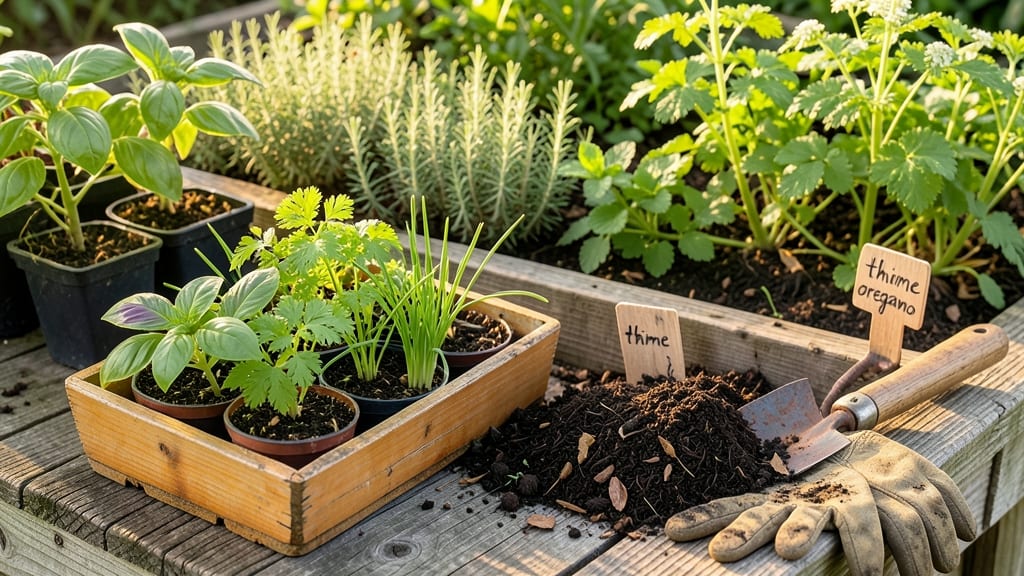
When to plant herbs in Wisconsin isn’t just about following a calendar—it's about beating the unpredictable frost that can turn your 🌿 herbs into a sad, frozen memory.
Whether you're dreaming of fresh basil for summer salads or hardy thyme for winter soups, planting at the wrong time means missed harvests and wasted effort.
The key to success lies in understanding Wisconsin's unique frost zones—where a late April freeze in northern areas can wipe out tender herbs while southern regions might be ready by early May.
I'll break down the exact windows you need to know, so you can start your herbs just as the soil warms to 50°F+ and avoid the heartbreak of a surprise frost.
What you'll discover is how to stretch your growing season with smart planting strategies, from cold-hardy varieties like parsley to heat-loving basil that needs to wait until all danger of frost has passed.
Let's get your Wisconsin herb garden off to the best possible start—no more guessing games, just thriving plants.
We'll cover everything from soil prep to extending your harvest into fall, so you can enjoy fresh 🌿 herbs from June all the way through October. Ready to make this your most successful growing season yet?
Wisconsin herb planting timeline by frost zones (5-6a)
Wisconsin’s USDA Zones 5a-6a mean your herb planting window hinges on precise frost dates—typically late April to mid-May for spring and early September to early October for fall. But don’t guess!
Southern WI (Zone 6a) averages May 15 for last frost, while northern WI (Zone 5a) often waits until May 25. Check your local Almanac or use a soil thermometer to confirm 50°F+ soil temps before planting.
For tender herbs like basil and cilantro, wait until after May 10—even if your area’s average is earlier. A late frost in May can devastate young seedlings. Hardy perennials like thyme and oregano, however, tolerate light frosts and can be planted 2-3 weeks earlier if you mulch heavily.
Always monitor weather forecasts for cold snaps.
Here’s your zone-specific planting timeline to maximize harvests:
| Zone | Last Frost Avg. | Spring Planting Window | Fall Planting Window | Soil Temp Threshold |
|---|---|---|---|---|
| 5a (Northern WI) | May 25 | May 25 – June 10 | Aug 20 – Sep 10 | 50°F+ |
| 5b (Central WI) | May 15 | May 15 – May 30 | Sep 1 – Sep 15 | 50°F+ |
| 6a (Southern WI) | May 10 | May 1 – May 15 | Sep 10 – Sep 25 | 50°F+ |
🌱 Pro Tip: Use row covers to plant 2 weeks earlier in spring!
If you’re starting herbs indoors, begin 6-8 weeks before your last frost date. For example, Zone 5a gardeners should sow seeds by April 1 to transplant May 25. Use grow lights if natural light is limited—herbs like basil and parsley need 12-16 hours of light daily to thrive.
For direct sowing, scatter seeds ¼ inch deep in well-draining soil. Cilantro and dill germinate best in cool soil (60-70°F), while basil and oregano prefer warmer soil (70-80°F). Water gently to avoid displacing seeds—herbs like chives need consistent moisture but hate soggy soil.
Fall planting is your second chance for herbs! Sow hardy varieties like parsley, chives, and thyme by September 1 for a winter harvest. Tender herbs like basil won’t survive, but rosemary and sage can handle light frosts if mulched.
Aim to plant 6-8 weeks before your first frost for established roots.
Use a planting calendar to track progress. Mark May 15 and September 1 as your key deadlines—missing these means shorter harvest seasons. For Zone 5a gardeners, extend your window with cold frames or greenhouses to start seeds 4 weeks earlier.
Remember: Soil temperature matters more than air temperature. A 50°F soil is ideal for most herbs, but basil needs 70°F+. Test with a soil thermometer—cheap insurance against failed plants! If temps drop unexpectedly, cover seedlings with frost cloth until stable.
Start with slow-growing herbs like thyme and rosemary—they establish roots faster and tolerate cooler soil. Fast growers like basil and cilantro need warmth to sprint, so wait until after May 15 (Zone 6a) or
Best herbs to plant in Wisconsin by season (cold-hardy vs. tender)
Wisconsin’s herb garden thrives when you match each variety to its ideal season—some cold-hardy herbs like parsley and thyme can handle spring’s chill, while tender herbs like basil and cilantro need to wait until after the last frost.
The key is understanding which herbs belong in your spring planting lineup and which should be saved for summer or fall.
For spring planting, focus on cold-tolerant varieties that can handle Wisconsin’s late frosts (often until mid-May in northern zones). These include chives, mint, sage, and oregano, which can even overwinter with protection.
Meanwhile, summer-loving herbs like basil and dill need to wait until soil reaches 50°F+, typically late May to early June.
Fall planting is your second chance to grow herbs like parsley and cilantro, which thrive in cooler weather. Start seeds 6-8 weeks before your first frost (usually by early September) for a late-season harvest. This strategy extends your growing season and ensures you have fresh herbs for holiday cooking.
🌿 Spring vs. Summer vs. Fall Herbs in Wisconsin
- 🌱 Chives
- 🌿 Mint
- 🌿 Sage
- 🌿 Thyme
Plant after last frost (late April–May).
- 🌿 Basil
- 🌿 Dill
- 🌿 Cilantro
- 🌿 Parsley
Plant after soil warms to 50°F+ (late May–June).
- 🌿 Parsley
- 🌿 Cilantro
- 🌿 Kale (edible leaves)
- 🌿 Chives
Plant 6-8 weeks before first frost (early Sept.).
One of my favorite succession-planting tricks is sowing cilantro every 2-3 weeks from May through July. This ensures a steady supply of fresh leaves, even as the heat of summer slows down growth.
Similarly, basil can be planted in early June for a robust harvest, but if you wait too long, it may bolt before producing much foliage.
Don’t overlook perennial herbs like oregano and thyme, which return year after year and can handle Wisconsin’s winters with minimal protection. These are perfect for early spring harvests or adding to fall soups.
For annual herbs, plan for continuous harvests by staggering plantings—this way, you’re never without fresh 🌿 herbs for your kitchen.
If you’re new to herb gardening in Wisconsin, start with 3-5 varieties that match your season. For example, spring could be parsley + chives, summer could be basil + dill, and fall could be cilantro + mint.
This approach keeps things manageable while giving you a year-round supply of flavorful leaves.