
Plants
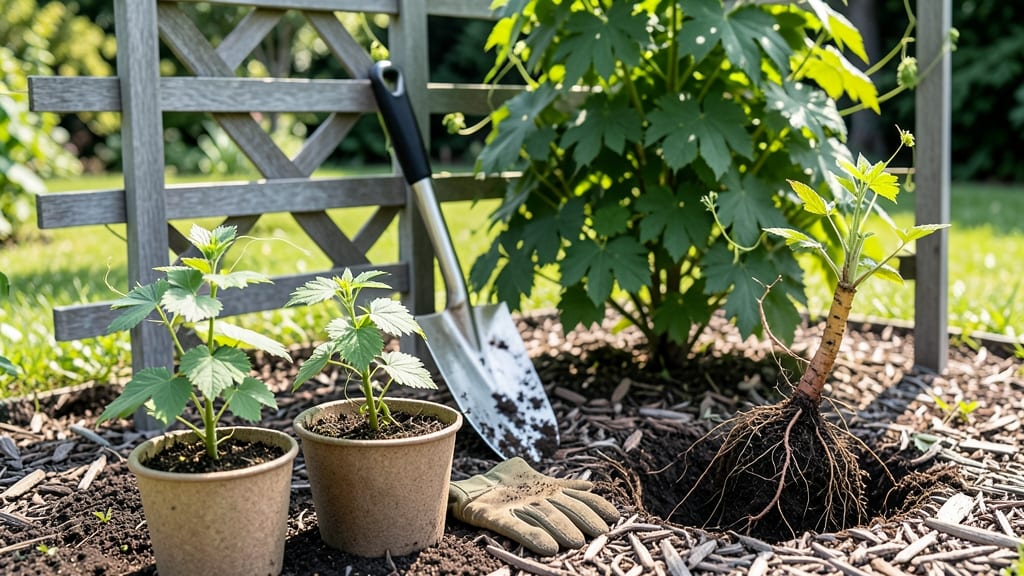
Timing is everything when you're planting hops in Michigan—get it wrong, and your 🍺 vines might never reach their full potential before frost bites.
With Michigan's Zone 5b-6b climate, you only have a narrow window between late April and early June to plant after the last frost, ensuring your hops get the 90-120 days they need to thrive.
I've learned the hard way that rushing or waiting too long can mean weaker plants and smaller harvests. The key is planting when soil temperatures hit 50°F and the risk of frost has passed—typically around mid-May, though this varies by region.
Michigan's short growing season means you can't afford delays, but with the right preparation, you can set your hops up for success.
What you'll discover here is how to align your planting schedule with Michigan's unique conditions, from soil prep to frost protection. Whether you're a first-time gardener or a seasoned grower, these insights will help you avoid common mistakes and maximize your hop yield. Let's get those vines growing strong!
We'll also cover how to extend your growing season with mulching and other tricks, so you can enjoy a bountiful harvest from late July through October. Don't let Michigan's cool climate hold you back—your perfect hop garden starts with the right timing.
Optimal planting timeline for Michigan hops (Zone 5-6)
Michigan’s Zone 5-6 climate gives you a narrow window—just 4-6 weeks after the last frost—to plant hops successfully. The key is timing soil temperature and frost risk to ensure your vines establish strong roots before summer heat arrives.
In most of Michigan, this means targeting late April to early June, but your exact date depends on your region’s frost patterns.
For Northern Michigan (Zone 5b), aim for late May planting when soil reaches 50°F (10°C). Southern Michigan (Zone 6a) can start as early as mid-April, but always wait for consistent daytime highs above 60°F (15°C).
Checking your local Michigan State University Extension frost calendar is your best bet for precision.
Hops need 90-120 days to mature cones, so planting too late risks immature harvests or frost damage. In Michigan, the first frost typically hits mid-October, leaving just 150 frost-free days—perfect for fast-maturing varieties like Centennial or Cascade, which thrive in cooler climates.
🌱 Michigan Hops Planting Timeline
| Month | Planting Window | Soil Temp | Key Action |
|---|---|---|---|
| April | Southern MI only (Zone 6a) | 50°F+ (10°C) | Prepare soil, order plants |
| May | Ideal for all regions | 55°F+ (13°C) | Plant after last frost |
| June | Last chance (Northern MI) | 60°F+ (15°C) | Use potted plants for faster growth |
⚠️ Pro Tip: Use a soil thermometer to confirm readiness—hops won’t thrive in cold soil.
If you miss the primary window, consider container growing for late June plantings. Containers warm up faster and let you move vines to protected areas if frost threatens. Just ensure pots are at least 12 inches deep and use well-draining soil to prevent root rot.
For bare-root hops, soak roots for 2-4 hours before planting to reduce transplant shock. In Michigan’s clay-heavy soils, amend with compost and sand to improve drainage. The root system needs to establish before summer heat arrives, so prioritize moisture retention with 2-3 inches of mulch.
Watch for false springs—Michigan’s unpredictable weather can bring late frosts even in May. Use frost cloth if nighttime temps drop below 32°F (0°C) for the first 2 weeks after planting. This gives young vines time to harden off naturally.
Once planted, trellis training should start immediately to guide vine growth upward. Hops grow 6-10 feet in their first year, so install a 10-foot trellis or use a string system for support. In Michigan’s windy conditions, secure the trellis to sturdy posts to prevent toppling.
By mid-June, your hops should show new leaf growth—a sign they’re thriving. If growth stalls, check for powdery mildew (common in Michigan’s humid summers) and treat with neem oil. Regular pruning of side shoots also encourages stronger main vines and better cone production.
Remember: Patience is key in Michigan’s short season. Even with perfect timing, your first harvest may be modest, but with each year, your vines will mature faster. Next year, you could be harvesting golden cones by late August—just in time for your homebrew! 🍺
Optimal planting timeline for Michigan hops (Zone 5-6)
Michigan’s Zone 5-6 climate means timing is everything for hops—plant too early, and frost will damage tender roots. Too late, and vines won’t mature before the first frost in mid-October.
The sweet spot is 4-6 weeks after your last frost date, typically late April to early June, when soil temperatures hit 50°F (10°C).
Use Michigan State University Extension’s frost date maps to pinpoint your exact window. For most of Michigan, this lands in May, but northern regions like the Upper Peninsula may need to wait until early June.
Pro tip: Monitor soil temps with a soil thermometer—hops won’t thrive in cold soil.
If you’re in southern Michigan (Zone 6), you can push planting to early June for a second harvest. But northern Michigan growers (Zone 5) should plant by mid-May to ensure vines mature before frost. Always check MSU Extension’s frost calendar for your specific county.
Hops need 90-120 days to mature, so calculate backward from your first frost date. For example, if frost hits October 15, plant by June 25 to guarantee a full season. Use dwarf varieties like ‘Centennial’ or ‘Cascade’ for shorter growing seasons—they mature faster than standard types.
Protect young plants with row covers if late frosts are forecasted. Even a 28°F (-2°C) dip can stunt growth. In Zone 5, consider starting hops in containers for easier frost protection or move them to a greenhouse in fall.