
Plants
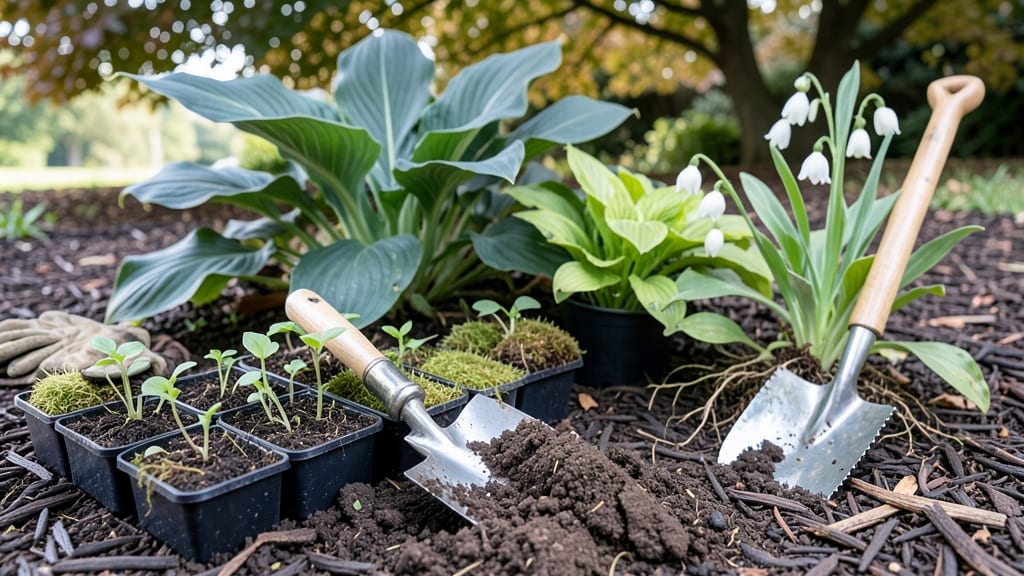
Timing your Hosta planting just right in Indiana can mean the difference between vibrant, thriving 🌿 foliage and a sad, frost-nipped disappointment. With Indiana’s Zone 5b-6b climate, getting the window right—especially after that last April 15 frost—is the key to success.
You might think early spring is the only option, but fall planting offers a secret advantage: cooler soil and fewer pests. I’ll show you exactly when to plant in both seasons, plus how to prep your soil for maximum survival rates—no guesswork involved.
Whether you’re starting with nursery plants or dividing established clumps, these Zone 6-specific tips will help you avoid common mistakes like planting too soon. Let’s dive into the perfect timing for lush, long-lasting hostas that’ll be the envy of your neighborhood.
From soil temperature checks to microclimate adjustments, I’ll walk you through every step to ensure your hostas take root strong and grow bold. Ready to transform your garden with foolproof timing?
Indiana’s ideal hosta planting window: exact dates by microclimate
Indiana’s USDA Zone 5b-6b climate means your hosta planting window hinges on avoiding late spring frosts—typically after April 15 in most regions. However, microclimates create 10-14 day variations between Northern, Central, and Southern Indiana. Timing right ensures your hostas establish roots before summer heat arrives.
For Northern Indiana (Lafayette, Fort Wayne), aim for mid-to-late April when soil temps reach 50°F+. Central Indiana (Indianapolis) has a slightly longer window—late April to early May.
Southern Indiana (Evansville) can start as early as early April in sheltered microclimates. Always check your local frost-free date for precision.
Here’s the exact planting window broken down by region, including safety buffers for Indiana’s infamous late frosts:
| Region | Last Frost Date | Ideal Planting Window | Soil Temp Requirement |
|---|---|---|---|
| Northern Indiana | April 25 | May 1–15 | 50°F+ |
| Central Indiana | April 15 | April 25–May 10 | 50°F+ |
| Southern Indiana | April 5 | April 15–30 | 50°F+ |
Pro tip: Use a soil thermometer to confirm readiness—hostas won’t thrive if planted in cold, wet soil. Aim for 50°F+ at 4 inches deep. If your soil is still chilly, wait 1-2 weeks—your hostas will thank you with vigorous growth.
Fall planting is also an option in Indiana, but late August to early September is ideal. This gives roots time to establish before first frost (October 15). Just avoid planting after September 15—new roots won’t harden off in time.
For container hostas, you can push the window 1-2 weeks earlier since pots warm up faster. Just ensure your containers have drainage holes to prevent root rot—a common issue in Indiana’s humid summers.
Remember: Hostas are shade lovers, but they still need well-draining soil. If your garden holds water, amend with compost or perlite before planting. This is especially critical in low-lying areas where frost pockets linger.
🌱
How to time hosta planting for maximum survival: soil temp, moon phases & more
Timing your hosta planting isn’t just about avoiding frost—it’s about giving roots the perfect conditions to establish. In Indiana’s Zone 6, soil temperature matters more than calendar dates. Aim for 50°F+ soil temps, which typically aligns with mid-April to early May after the last frost.
A soil thermometer is your best friend here—cold soil slows root growth and invites rot.
I’ve learned the hard way that planting too early—even with frost cloth—can backfire. Hostas planted in chilly, wet soil struggle to root and become prime targets for slugs. Wait until the ground warms up, and you’ll see faster, stronger growth.
For fall planting, target 4-6 weeks before your first frost (usually mid-September to early October in Indiana).
Don’t overlook moon phases for optimal root development. Planting during the waxing moon (when the moon is growing brighter) encourages root growth—ideal for hostas. Check a lunar calendar and schedule your planting for a root-significant moon phase (like the Boar’s Head or Wolf Moon phases) for an extra boost.
⚠️ Common Mistake: Planting in Containers Too Early
Hostas in containers dry out faster and overheat in spring sun. If you’re planting in pots, wait until after May 15 in Indiana to avoid stress. Use self-watering containers and place them in partial shade until roots establish.
Microclimates play a huge role in Indiana’s varied frost patterns. A south-facing slope warms up faster than a north-facing shady spot. Test your garden’s microclimate by planting a frost-sensitive annual (like marigolds) in early April. If they survive, your hostas are ready to go!
For dividing established hostas, the best time is late summer to early fall (August-September). This gives divided plants time to root before winter. Water deeply after dividing and apply a 2-inch layer of mulch to protect roots.
If you must divide in spring, do it after May 1 to avoid frost damage.
Pro tip: Amend your soil with compost or aged manure before planting. Hostas thrive in rich, moist soil with a pH of 6.5-7.5. A simple soil test kit (available at garden centers) will tell you if your soil needs adjustments.
Once planted, keep the soil consistently moist but not soggy for the first 4-6 weeks—this is critical for root establishment.