
Plants
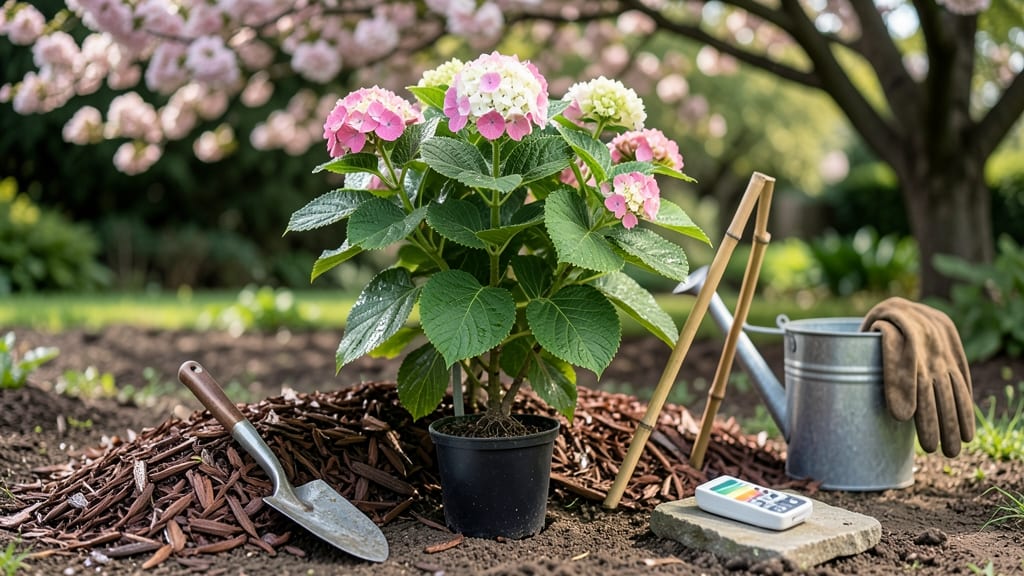
Timing your Hydrangea planting in Chicago isn’t just about the calendar—it’s about outsmarting those sneaky late frosts that can turn your dream blooms into a sad, brown mess.
With Zone 6a winters and unpredictable springs, getting the window right means the difference between a thriving 🌸 shrub and a plant that throws in the towel before summer even arrives.
Most gardeners assume May is the only safe bet, but fall planting actually gives your Hydrangeas a head start on root growth before winter hits.
I’ve seen firsthand how Chicago’s urban heat islands can delay frost in some neighborhoods while others still get a surprise freeze—so knowing the exact timing for your microclimate is key.
Whether you’re working with bare-root plants or container-grown Hydrangeas, the prep work matters just as much as the date. We’ll cover how to harden off roots, amend your soil for Chicago’s clay-heavy conditions, and even adjust for whether you’re planting in a backyard oasis or a tight city lot.
By the end, you’ll have a foolproof 90-day care plan to keep your Hydrangeas happy from planting through their first big bloom—no guesswork, just guaranteed color. Let’s get those roots in the ground the right way.
Chicago’s ideal hydrangea planting window: frost-free timing guide
Chicago’s Zone 5 climate makes hydrangea planting a balancing act between late spring frosts and summer heat. The city’s average last frost date hovers around April 15, but urban heat islands can delay it by 1-2 weeks.
Timing your planting just right ensures your hydrangeas take root before unexpected cold snaps or heat stress set in.
For maximum survival, aim to plant hydrangeas in two key windows: early May (after all frost risk has passed) or late September (for fall planting). This strategy accounts for Chicago’s unpredictable weather patterns and gives roots time to establish before winter dormancy.
🌱
🌿 Chicago Hydrangea Planting Timeline Comparison
| Planting Window | Frost Risk | Soil Temperature | Chicago Microclimate |
|---|---|---|---|
| Early May (After Last Frost) | Low (90% frost-free) | 55°F+ (13°C+) | Urban areas: +1-2 weeks |
| Late September (Fall Planting) | Moderate (50% frost risk) | 50°F+ (10°C+) | Suburban areas: +1 week |
| Early April (High Risk) | High (70% frost risk) | 45°F+ (7°C+) | Avoid unless using frost cloth |
| June (Too Late) | None | 70°F+ (21°C+) | Limited root growth before winter |
*Data based on 30-year Chicago averages (USDA Zone 5b/6a)
Chicago’s urban vs. suburban microclimates create distinct planting zones. In downtown areas, concrete absorbs heat, delaying frost by 1-2 weeks—perfect for pushing your May planting date. Meanwhile, suburban neighborhoods with more green space may experience earlier frosts, so err on the side of caution.
For bare-root hydrangeas, plant as soon as soil is workable (usually mid-April), but cover with mulch or frost cloth if nighttime temps dip below 40°F (4°C). Container-grown hydrangeas offer more flexibility—they can handle slightly cooler soil and are less vulnerable to transplant shock.
Pro tip: Use a soil thermometer to confirm 55°F (13°C) soil temps before planting. This temperature signals active root growth and reduces frost damage risk. In 2024, Chicago’s last frost occurred April 22, so adjust your schedule accordingly.
🌿
If you’re planting in containers, extend your window to late May—containers warm up faster and provide better insulation. However, in-ground planting should always happen before June 1 to allow roots to establish before Chicago’s summer heat peaks.
Remember: Hydrangeas planted in fall (late September) benefit from cooler soil temps and reduced transplant shock. Just ensure they’re planted 6-8 weeks before first frost (typically October 15) to allow root establishment before winter.
🌸
How to prepare hydrangea roots for Chicago’s unpredictable spring
Chicago’s spring frost can be brutal on hydrangeas, but proper root preparation gives your plants a fighting chance. The key? Cold-hardening and soil amendments tailored to Zone 5’s unpredictable thaw-freeze cycles.
I’ll walk you through the exact steps to reduce transplant shock and ensure your hydrangeas thrive from day one.
Before planting, check your soil temperature—it should stay above 50°F (10°C) for at least a week. In Chicago, this typically aligns with mid-April, but urban areas like Lincoln Park may warm up faster than suburban Naperville. Use a soil thermometer to avoid guessing.
Root pruning is another critical step. For bare-root hydrangeas, trim any damaged or overly long roots by one-third to encourage new growth. Soak the roots in water mixed with rooting hormone for 2–3 hours before planting. This hydrates the roots and kickstarts their recovery process in Chicago’s cool, damp spring soil.
Bare-Root vs. Potted Hydrangeas for Chicago
Bare-Root Hydrangeas
- ✅ Cheaper and widely available
- ✅ Easier to inspect roots for damage
- ✅ Best for spring planting (April–May)
- ❌ Requires root soaking before planting
- ❌ More vulnerable to frost if planted too early
Potted Hydrangeas
- ✅ Ready to plant anytime soil is workable
- ✅ Less root shock if transplanted carefully
- ✅ Better for fall planting (September)
- ❌ More expensive than bare-root
- ❌ Root-bound risk if not inspected
For Chicago’s climate, potted hydrangeas give you a 2-week buffer for late spring planting.
Amend your Chicago garden soil with compost or peat moss to improve drainage—hydrangeas hate soggy roots. Aim for a slightly acidic pH (5.5–6.2) for blue blooms or neutral pH (6.5–7.0) for pink.
Test your soil with a home pH kit and adjust with sulfur (for acidity) or lime (for alkalinity).
If planting in containers, use a mix of 50% potting soil and 50% perlite to prevent compaction. Chicago’s heavy clay soil can suffocate roots, so containers are ideal for urban gardeners.
Water thoroughly after planting, then mulch with 2–3 inches of shredded bark to retain moisture and regulate soil temperature.
For fall planting (September), hydrangeas benefit from 6–8 weeks of root establishment before winter. Choose potted plants over bare-root in fall, as they’re less stressed. Water deeply every 10–14 days and avoid fertilizing—let the roots focus on hardening off for Chicago’s first frost (around October 15).