
Plants
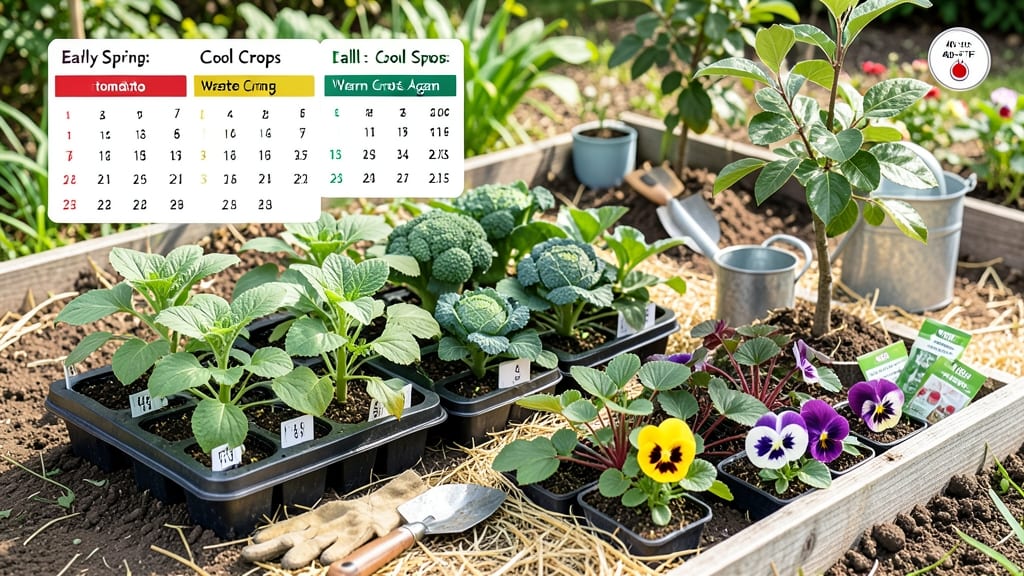
When to plant in 6A isn’t just about luck—it’s the difference between a thriving harvest and wasted effort. Whether you’re dreaming of juicy tomatoes or crisp lettuce, planting too early risks frost damage, while waiting too long cuts your growing season short.
I’ve spent years tracking frost dates and testing planting windows, and what I’ve learned is that Zone 6A’s unique climate demands precision. Cool-season crops like peas and spinach can handle early spring, but warm-season favorites like tomatoes need to wait until after the last frost—typically mid-April to May.
In this guide, I’ll break down the exact months to plant everything from vegetables to perennials, so you can avoid common mistakes and maximize your garden’s potential. Ready to grow with confidence? Let’s get started.
We’ll cover frost-free timelines, seasonal planting strategies, and even how to stretch your growing season with simple tricks. By the end, you’ll know exactly when to plant in 6A for a bountiful, stress-free harvest.
Zone 6A frost dates: exact last frost timelines by plant type
Understanding your Zone 6A frost dates is the first step to successful gardening. In this zone, the average last frost date typically falls between April 15 and May 15, but this can vary by 10-14 days depending on microclimates.
For example, valleys may frost later than hilltops due to cold air settling. Always check your local USDA frost maps or use a frost-free date calculator for precision.
Your planting strategy hinges on these dates: cool-season crops like lettuce and peas thrive when planted 4-6 weeks before the last frost, while warm-season vegetables such as tomatoes and peppers need to wait until 2 weeks after the last frost.
Perennials and shrubs, however, have broader windows—spring planting in March-April and fall planting in September-October work best.
| Plant Type | Planting Window | Notes |
|---|---|---|
| Cool-Season Vegetables | March 15–April 15 | Peas, spinach, lettuce, broccoli |
| Warm-Season Vegetables | May 1–June 15 | Tomatoes, peppers, cucumbers, beans |
| Perennials & Shrubs | March–April or September–October | Best planted in early spring or fall |
| Flowers (Annuals) | April 15–May 30 | Marigolds, zinnias, petunias |
| Fall Crops | August 1–September 15 | Kale, radishes, carrots |
For cool-season crops, start seeds indoors 6-8 weeks before your last frost date to ensure they’re ready for transplanting. In Zone 6A, this often means late February to early March for early varieties.
Meanwhile, warm-season crops benefit from a 2-3 week head start indoors, so begin sowing tomato and pepper seeds in late March.
Regional variations matter: If you’re in the earlier part of Zone 6A (e.g., near the 6b border), you might see last frosts as early as April 1. Conversely, areas near Zone 5 could extend frost risks until May 10.
Always monitor your local weather forecasts and consider using frost-sensitive plants like tender basil as a natural indicator.
Pro tip: Use frost cloth or row covers to protect early plants if frost warnings appear. This extends your planting window by 2-3 weeks for heat-loving crops like eggplants and okra, which struggle in cooler soil.
Don’t overlook fall planting—Zone 6A’s first frost typically arrives around October 15, leaving plenty of time for cool-season crops like spinach and garlic. Plant these 8-10 weeks before your first frost for a second harvest before winter sets in.
For perennials, timing is less critical, but planting in early spring (March-April) gives roots time to establish before summer heat. If you’re transplanting established perennials in fall, aim for September to allow roots to settle before dormancy.
Always adjust for microclimates: A south-facing slope may warm up faster than a north-facing garden, giving you an extra 1-2 weeks of planting time. Use these local conditions to your advantage by planting heat-sensitive crops in the warmest spots first.
Finally, keep a gardening journal to track your actual frost dates over the years. This helps you refine your schedule and push your zone’s limits safely. With practice, you’ll master the art of frost-free planting in Zone 6A! 🌱
Best Month-by-Month planting calendar for Zone 6A gardens
Zone 6A gardeners have a 150-day frost-free window, but knowing exactly when to plant each crop makes all the difference. My calendar breaks down month-by-month actions so you can start cool-season veggies early and transition to heat-lovers by summer.
March is your cool-season power month—plant peas, spinach, and lettuce 4-6 weeks before your last frost (usually mid-April). These hardy crops tolerate light frosts and grow quickly in cooler temps. I always pre-soak seeds overnight for faster germination!
April signals the transition to warm-season prep. Harden off tomato and pepper seedlings indoors now, while direct-sowing broccoli, carrots, and potatoes. Soil temps should hit 50°F+—test with a thermometer if unsure. My trick? Cover seedlings with row fabric for extra protection.
- 🌱 Cool-season crops: Peas, spinach, lettuce, kale, radishes
- ❄️ Frost tolerance: Up to 28°F for hardy greens
- 📝 Tip: Use mulch to retain soil moisture
- 🌱 Direct sow: Broccoli, carrots, potatoes, beets
- 🌡️ Soil temp: 50°F+ for warm-season starters
- 📝 Tip: Start tomato/pepper seeds indoors
- 🌱 Warm-season heroes: Tomatoes, peppers, cucumbers, squash
- ☀️ Sun needs: 6+ hours daily for fruiting plants
- 📝 Tip: Use black plastic mulch to warm soil
- 🌱 Succession plant: Beans, corn, late lettuce
- 💧 Water needs: Deep soak 1-2" weekly
- 📝 Tip: Watch for pests like squash bugs
- 🌱 Fall replants: Kale, radishes, spinach, carrots
- ❄️ Frost prep: Choose fast-maturing varieties
- 📝 Tip: Add compost before planting
June is perfect for succession planting—sow beans and corn every 2 weeks to stretch your harvest. I always keep a small batch of seeds on hand for last-minute replants if pests strike early.
For heat-loving plants like okra, wait until soil temps hit 70°F+—they bolt quickly in cooler conditions.
Don't overlook fall planting in Zone 6A! September is ideal for kale, radishes, and spinach, which thrive in cool nights and often taste sweeter after a light frost. I plant radishes in late August for a Christmas harvest—their quick 30-day maturity makes them foolproof.
Pro tip: Use heat-tolerant varieties to extend your season. Try 'Heatmaster' tomatoes or 'Southern Exposure' okra—they keep producing when regular varieties quit. Always check seed packets for days-to-maturity and plan backward from your first frost date!