
Plants
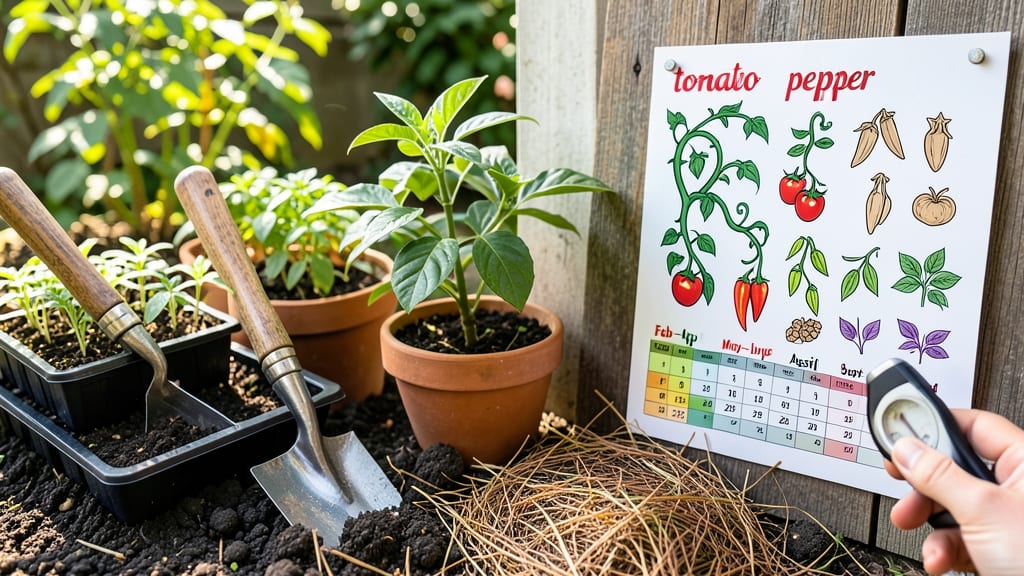
When to plant in Central Florida isn’t just about avoiding frost—it’s about working with the state’s unique tropical rhythms where warm-season crops thrive year-round but timing still matters. Unlike northern gardens, you can grow tomatoes in January or plant sweet potatoes in December, but getting the exact months right means the difference between a bumper crop and wasted effort.
I’ve spent years gardening in Central Florida’s 9a-10a zones, and the key to success is understanding how humidity, heat spikes, and even hurricane season shift planting windows.
Coastal areas like St. Petersburg have different rules than inland Orlando, and skipping these adjustments can leave your garden struggling under summer’s intense sun or drowning in unexpected rain.
In this guide, you’ll discover the month-by-month planting calendar that aligns with Central Florida’s frost-free growing season—no more guessing whether to sow those basil seeds in February or wait until April. We’ll cover everything from warm-season favorites like peppers and squash to cool-season greens that surprise even local gardeners.
Ready to grow smarter? Let’s dive into the exact timing that’ll turn your Central Florida garden into a year-round success—no frost, no stress, just thriving 🌱 plants all season long.
Central Florida planting calendar by month: frost-free timing for vegetables
Central Florida’s USDA Zones 9a-10a mean you can grow vegetables year-round, but timing still matters. Unlike northern climates, you won’t face frost, but heat spikes and humidity demand strategic planting.
Warm-season crops like tomatoes and peppers thrive in summer, while greens prefer cooler months. Let’s break down the best months for each crop type.
Start by noting that spring (March-May) and fall (September-November) are your sweet spots for most vegetables. Summer (June-July) can be brutal for heat-sensitive plants, while winter (December-February) offers milder conditions for cool-season crops. Always check soil temps—60°F+ is ideal for seeds, while transplants prefer 70°F+.
Here’s your month-by-month guide to planting in Central Florida, tailored for Orlando, Tampa, and Gainesville:
| Month | Warm-Season Crops (Tomatoes, Peppers, Squash) | Cool-Season Crops (Greens, Carrots, Broccoli) | Notes | |||||||||||||||||
|---|---|---|---|---|---|---|---|---|---|---|---|---|---|---|---|---|---|---|---|---|
| January | Transplant after Feb 15 | Direct sow or transplant | Mild temps; protect from wind | |||||||||||||||||
| February | Start seeds indoors | Direct sow for spring harvest | Soil warms by month-end | |||||||||||||||||
| March | Direct sow after last frost (none, but wait for 70°F+ soil) | Transplant for spring harvest | Peak planting month | |||||||||||||||||
| April | Plant for summer harvest | Sow for late spring harvest | Watch for heat stress | |||||||||||||||||
| May | Plant for peak summer production | Avoid; too hot for cool crops | Use shade cloth for seedlings | |||||||||||||||||
| June | Plant for late summer harvest | N/A | Water deeply daily | |||||||||||||||||
| July | Succession plant for fall | N/A | Mulch to retain moisture | |||||||||||||||||
| August | Prepare beds for fall | Direct sow for fall harvest | Soil cools by month-end | |||||||||||||||||
| September | Plant for fall/winter harvest | Transplant for fall harvest | Ideal for cool-season crops | |||||||||||||||||
| October | Succession plant for winter |
How to adjust planting times for florida’s microclimates (coastal vs. inland)Central Florida’s diverse geography creates microclimates that drastically affect planting success. Coastal areas like St. Petersburg experience milder winters and higher humidity, while inland cities such as Ocala face hotter summers and drier conditions. These differences mean your tomato plants might thrive in one zone but struggle just 50 miles away. For example, coastal gardens can start cool-season crops like lettuce in early October, while inland areas should wait until mid-November to avoid heat stress. Even hurricane season (June–November) impacts timing—coastal gardeners may delay outdoor planting until after July 4th, while inland gardeners face fewer delays but must prepare for summer heat spikes after June.Humidity also plays a role. Coastal areas like Tampa have higher rainfall and milder winters, allowing for year-round planting of tropical plants like hibiscus or banana trees. In contrast, inland cities like Orlando experience drier air and hotter afternoons, making June–August a risky time for most vegetables unless you provide shade cloth or drip irrigation. Another critical factor is soil temperature. Coastal sandy soils warm up faster in spring, letting you plant warm-season crops like squash as early as February. Inland clay soils, however, stay cooler longer—delay planting until March 15th to avoid seed rot or poor germination. Use a soil thermometer to check when temps hit 60°F+ for warm-season plants. 🌱 Visual Element: Comparison Table
To adapt your planting schedule, start by identifying your specific microclimate. Check local UF/IFAS Extension resources or use weather station data from nearby cities. For instance, Lakeland’s hotter inland climate may align more with Ocala than with Clearwater. Adjust planting dates by 2–4 weeks based on these differences—coastal gardeners can push spring planting to February, while inland areas should wait until mid-March. Don’t overlook wind exposure, either. Coastal gardens face salty winds and sand buildup, which can stress plants. Use windbreaks or mulch to protect young seedlings. Inland areas, meanwhile, may need shade cloth during June–August to prevent bolting in leafy greens or sun scald on tomatoes. A simple 50% shade cloth can extend your growing season by 4–6 weeks in extreme heat. Finally, monitor local trends—what works for your neighbor’s garden might not suit yours. For example, sweet potatoes thrive in inland Ocala’s dry heat but may rot in coastal St. Pete’s humid summers. Experiment with container gardening to test microclimate effects on a smaller scale before committing to large beds. By accounting for these coastal vs. inland differences, you’ll avoid failed crops and wasted effort. Start with small adjustments, track your results, and soon you’ll master Central Florida’s unique planting rhythms—no frost to fear, just perfectly timed harvests all year round. 🌿 |