
Plants
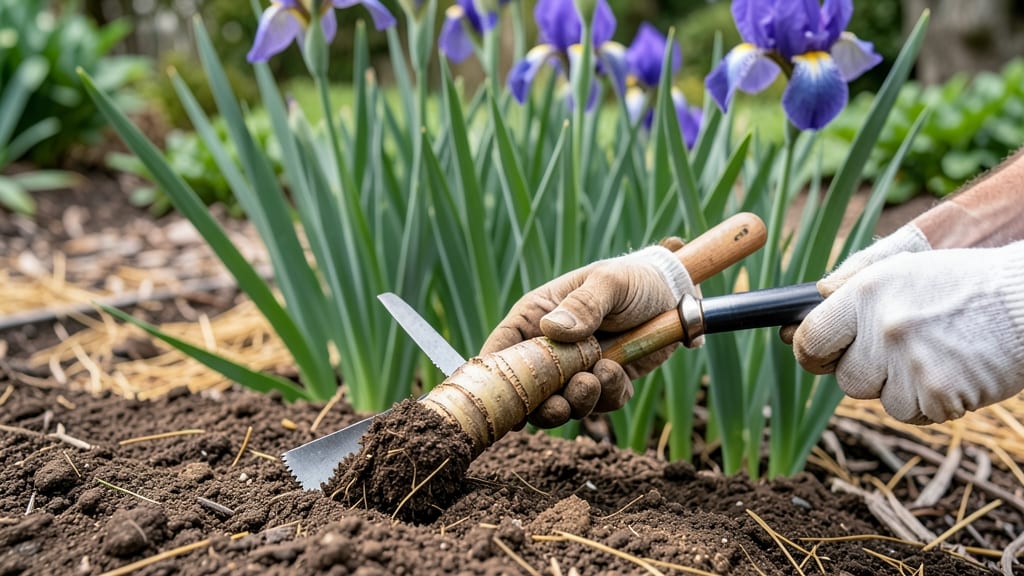
Timing your iris bulb planting in Canada could make or break your spring blooms—especially when frost dates shift from Zone 3 to Zone 9. Miss the window, and your 🌸 rhizomes might rot before they even take root, leaving you with bare soil come April.
But here’s the good news: with the right strategy, you can outsmart Canada’s fickle climate and enjoy vibrant irises year after year.
Most gardeners swear by late summer to early fall planting (August–September), but that’s not a one-size-fits-all rule.
In Zone 5, where frost can sneak in by October 15, you’ll need to plant earlier than someone in Zone 7, where the ground stays workable until November 1. The key? Soil temperature—not just calendar dates—and I’ll show you how to check it like a pro.
What if you’re in British Columbia with milder winters or Ontario where late frosts are common? I’ll break down how to adjust your timing based on your province’s quirks, plus soil prep tricks to give your irises the best shot at survival.
No more guessing—just science-backed planting that guarantees those showstopping blooms.
Ready to transform your garden? By the end of this, you’ll know exactly when to dig, how deep to plant, and even how to rescue bulbs if frost catches you off guard. Let’s get those irises thriving—without the stress.
Canada’s frost-date zones and ideal iris planting windows by region
Planting iris bulbs—or more accurately, their rhizomes—in Canada requires precision timing to avoid frost damage. Unlike true bulbs, iris rhizomes thrive when planted in late summer or early fall, allowing roots to establish before winter dormancy.
The key? Planting 6-8 weeks before your region’s first frost ensures strong root growth before cold sets in.
Canada’s USDA hardiness zones 3-9 experience wildly different frost dates. For example, Zone 3 (e.g., parts of Alberta) may see frost by mid-September, while Zone 9 (e.g., Vancouver Island) can extend planting until late October. This variation means your planting window shifts dramatically from coast to coast.
Iris rhizomes need soil temperatures between 10°C and 20°C (50°F–68°F) to root effectively. In cooler zones like 4-5, aim for August planting—earlier than warmer regions. In zones 6-9, you can push planting into early September without risking frost damage.
Here’s the golden rule: Never plant iris rhizomes in spring—they’ll rot in cold, wet soil. Instead, focus on fall planting when days grow shorter and soil stays warm just long enough for roots to anchor before winter.
Regional exceptions exist! In British Columbia’s coastal zones (7-9), mild winters allow planting until early October. Meanwhile, Prairie provinces (zones 3-4) demand July-August planting to beat early frosts. Always check your local frost date averages for the most accurate timing.
Soil preparation is just as critical as timing. Iris rhizomes despise waterlogged soil, so amend clay or heavy soils with sand or grit to improve drainage. A slightly raised bed can also help in wet climates like Atlantic Canada.
🌱 Iris Planting Windows by Canadian Zone
| Zone | Ideal Planting Window | Soil Temp. Goal | Key Regions |
|---|---|---|---|
| 3-4 | Late July to mid-August | 10–15°C (50–59°F) | Alberta, Saskatchewan, Manitoba |
| 5 | August (first half) | 12–18°C (54–64°F) | Ontario, Quebec (south), parts of BC interior |
| 6-7 | Early to mid-September | 15–20°C (59–68°F) | Southern Ontario, Nova Scotia, PEI |
| 8-9 | September (early) | 18–22°C (64–72°F) | Vancouver Island, southern BC, parts of Newfoundland |
⚠️ Pro Tip: Use a soil thermometer to confirm temps before planting—iris rhizomes won’t root in cold soil!
If you miss the fall window, don’t panic! In zones 5-7, you can plant iris rhizomes in early spring (March-April) as long as the ground isn’t frozen. However, this method yields smaller blooms the first year, as rhizomes need time to establish roots before summer heat arrives.
For gardeners in transition zones (e.g., Zone 5-6 borders), consider a cold frame or row cover to extend your planting window by 2-3 weeks. This protects young rhizomes from unexpected early frosts, giving them a head start on root growth.
One final tip: Label your iris beds! Many gardeners confuse iris rhizomes with other perennials, and since they multiply over time, keeping track of varieties (e.g., Bearded Iris vs. Siberian Iris) ensures you’ll always have vibrant blooms in spring.
With the right timing and soil prep, your iris rhizomes will reward you with months of color—starting as early as April in warmer zones and stretching into June in cooler regions. Happy planting! 🌸
Signs your soil is ready for iris bulbs (and how to fix common mistakes)
Before you even dig for those iris rhizomes, your soil must meet three critical conditions: the right temperature, proper drainage, and adequate moisture. Skip this step, and your irises could rot in soggy soil or fail to root before winter.
I’ve seen gardeners rush planting only to watch their rhizomes turn mushy—don’t let that be you!
First, check the soil temperature with a simple thermometer. Iris rhizomes thrive when soil is between 50°F and 65°F (10°C–18°C). In Zone 4–5, this usually means waiting until late August or early September, while Zone 6–7 gardeners can plant as late as October.
Pro tip: Stick the thermometer 3 inches deep—surface temps can fool you!
Next, test drainage by digging a 6-inch hole and filling it with water. If it drains within an hour, you’re golden. If not, amend the soil with sand or perlite to prevent waterlogged roots. Iris rhizomes hate soggy soil—it’s their #1 enemy after frost!
| Soil Condition | Ideal Range | Fix If Problematic |
|---|---|---|
| Temperature | 50°F–65°F (10°C–18°C) | Wait 1–2 weeks or plant deeper |
| Drainage | Drains in <1 hour | Add sand/perlite (20% mix) |
| Moisture | Moderately dry | Aerate or mulch to reduce retention |
| pH Level | 6.0–7.0 | Add lime (raise) or sulfur (lower) |
One red flag I see often? Compacted soil. Walk through your garden—if your boots sink in, the roots will too. Loosen the top 6 inches with a fork or tiller, then mix in compost or aged manure for nutrients.
Irises aren’t fussy, but they despise poor soil—give them a fighting chance!
Finally, watch for premature frost warnings in your area. If frost is forecast within 2–3 weeks, plant rhizomes deeper (4–5 inches) and mulch with straw or leaves to insulate them. In Zone 3, I’ve even seen gardeners plant in late spring (May) as a backup—though fall is still ideal.
Remember: Iris rhizomes need airflow. Never bury them completely—leave the top exposed to sunlight. If you’ve got soggy soil, poor drainage, or a late-frost warning, don’t panic. With these fixes, your irises will root strong and bloom brilliant next spring. Now grab that thermometer—your garden’s waiting! 🌿