
Plants
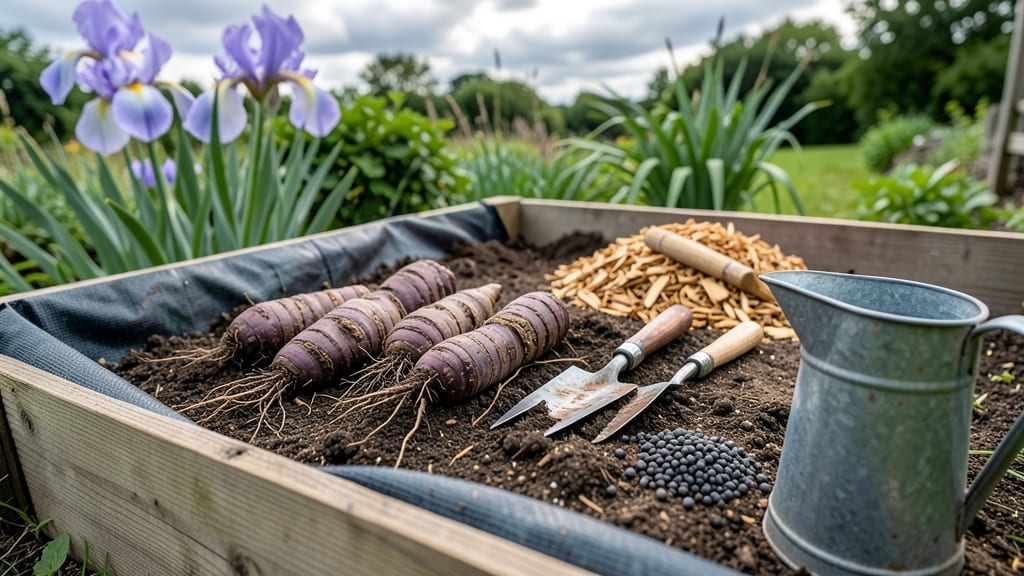
If you're dreaming of vibrant purple, yellow, or blue irises blooming in your Zone 9 garden, timing is everything—and planting the wrong iris bulbs at the wrong time could mean no flowers at all.
The key to success lies in understanding when to plant iris bulbs in Zone 9 so they establish strong roots before summer's brutal heat arrives.
In Zone 9, where summers are scorching and winters are mild, the best window for planting irises is late fall to early winter. This timing lets the rhizomes settle in without battling extreme heat or drought stress.
But there's more to it than just picking a month—soil prep, location, and even whether you're planting rhizomes or true bulbs make all the difference.
I've learned that fall planting (October through December) gives irises the perfect head start, but late summer can work too if you take the right precautions.
Let me walk you through the exact steps to plant your irises for healthy growth and stunning blooms, no matter where you are in Zone 9—whether you're near the coast or inland.
Ready to transform your garden with low-maintenance, drought-tolerant irises that thrive in Zone 9's climate? Let's dive into the best months, soil secrets, and care tips that will have your irises flourishing year after year.

Best planting months for iris bulbs in Zone 9: avoiding summer heat stress
Zone 9’s intense heat and dry spells make timing critical for iris success. Unlike cooler climates, iris rhizomes (not true bulbs) need to establish roots before summer’s heat arrives—or risk wilting before blooming.
The ideal window is September through November, when soil temperatures drop below 75°F and monsoon risks subside.
Planting too early (August) risks heat shock to new roots, while waiting until December may delay spring blooms. November strikes the perfect balance: cool enough for root growth but warm enough to avoid frost. For coastal Zone 9 areas, aim for October to escape summer’s driest months.
Here’s how Zone 9’s climate affects timing: Inland areas (like Phoenix) should plant by mid-October to avoid 100°F+ soil, while coastal regions (like San Diego) can extend planting until early December thanks to milder temperatures.
⚠️ CRITICAL: Never plant during monsoon season (July–August)—excessive rain causes rhizome rot from poor drainage. Always check your local USDA Zone 9b/10a microclimate for precise timing.
| Planting Window | Soil Temp (°F) | Risk Level | Best For |
|---|---|---|---|
| September | 70–75°F | Low (early heat) | Inland Zone 9 |
| October | 65–70°F | Moderate | Coastal Zone 9 |
| November | 60–65°F | Low (ideal) | All Zone 9 |
| December | 55–60°F | High (delayed blooms) | Coastal only |
For late bloomers, you can plant in January, but expect smaller flowers due to heat stress during bud formation. Always soak rhizomes 24 hours before planting to jumpstart root growth in Zone 9’s dry soil.
Pro tip: Stagger your planting—install half in October and half in November—to extend your bloom season from March to May. This works especially well for bearded iris varieties, which thrive with prolonged cool roots.
Watch for foliage emergence 4–6 weeks post-planting. If shoots appear before December, provide light shade cloth to protect tender new growth from sudden cold snaps (rare but possible in Zone 9’s high desert areas).
Remember: Iris rhizomes are not true bulbs—they’re thick, fleshy roots that need air circulation. Plant them shallowly (4 inches deep) with the top third exposed to prevent rot in Zone 9’s heavy clay soils.
🌱
Best planting months for iris bulbs in Zone 9: avoiding summer heat stress
Zone 9’s intense heat and low winter chill make timing critical for iris success. Unlike cooler zones, irises here thrive when planted during fall’s mild temperatures (60–70°F), allowing roots to establish before summer’s 100°F+ soil.
Planting too early risks rot from winter rains, while late planting stresses rhizomes before dormancy.
My top recommendation is October through November, when soil stays warm enough for root growth but cools slightly by winter. This 6-week window balances heat avoidance with dormancy prep.
For coastal Zone 9 areas (e.g., San Diego), extend planting into early December to escape monsoon season’s fungal risks.
Soil temperature is your best guide: aim for 55–65°F at planting depth (4 inches). Use a soil thermometer to check—if temps drop below 50°F, delay until spring. Inland areas like Phoenix may need September planting to avoid extreme heat.
For late-summer planting (August), use shade cloth to protect rhizomes during the 100°F+ heatwave common in Zone 9. Water deeply 3x/week until roots establish (4–6 weeks). This method works for bearded iris varieties, which handle heat better than siberian irises.
Spring planting (February–March) is riskier in Zone 9 due to rapid heat return, but it’s viable for cooler microclimates (e.g., elevated gardens). Plant when soil reaches 60°F and mulch heavily to retain moisture. Expect smaller first-year blooms as plants adjust.
Pro tip: Stagger planting by 2 weeks (e.g., half in October, half in November) extends bloom season from March to May. This mimics natural conditions and prevents all flowers opening at once, which stresses the plant in Zone 9’s dry heat. 🌸