
Plants
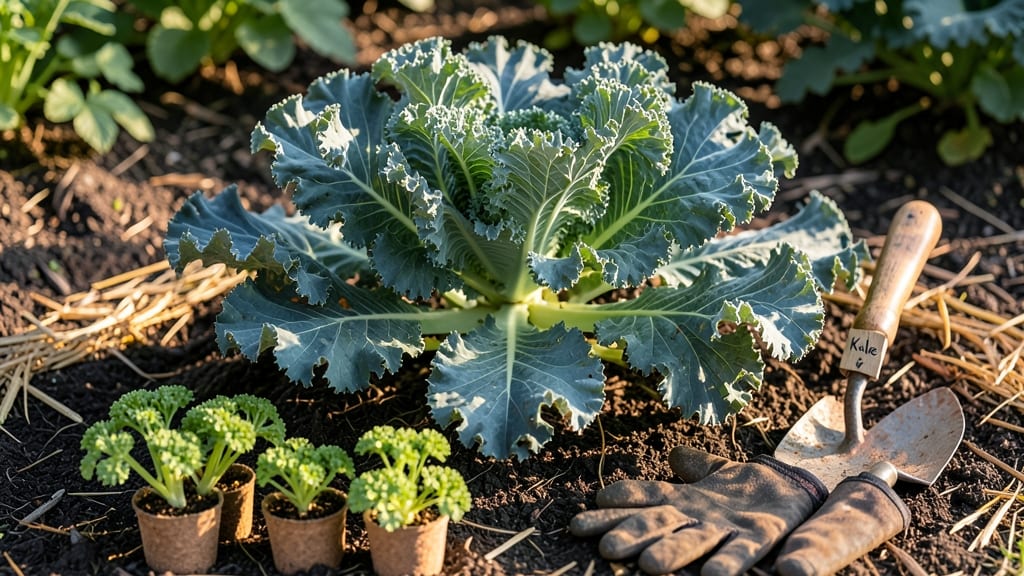
If you’ve ever watched your 🥬 kale bolt into bitter-tasting flowers before you could harvest it, you know when to plant kale in Northern California is everything in the region’s unpredictable climate.
The difference between a thriving winter crop and a wasted summer planting often comes down to timing—and the microclimates that turn your backyard into a high-stakes garden experiment.
From the Bay Area’s coastal chill to the Sacramento Valley’s inland warmth, each zone has its own sweet spot for planting 🥬 kale without risking heat stress or frost damage.
Whether you’re aiming for crisp fall harvests or hardy winter greens, getting the timing right means avoiding the 3 common mistakes that turn your kale into a science experiment gone wrong.
I’ve tested these strategies across USDA zones 8a-9b, and the results speak for themselves: the right planting window can extend your harvest by months.
Let’s break down the exact weeks to sow for zero bolt risk, plus how to cheat the system with cold-hardy varieties and season-extending tricks that work in Northern California’s short growing season.
Skip the guesswork—this is the game-changer for anyone who’s ever cursed their kale for flowering too soon. Ready to turn your garden into a year-round salad bar? Let’s get started.
Northern California kale planting calendar by microclimate zone
Northern California's diverse climate—from the coastal fog of the Bay Area to the hot inland valleys—means your kale planting schedule should vary by location. The key is avoiding heat stress (which causes bolting) and late-season frosts that ruin tender leaves. Here’s how to time it right for your zone.
For coastal regions (e.g., San Francisco, Santa Cruz), cooler temperatures extend the growing season. Start seeds indoors 8-10 weeks before your average first frost (mid-December in most areas). Transplant seedlings outdoors in late August to early September for a fall harvest, or again in February for spring.
Inland areas like the Sacramento Valley or Central Valley experience hotter summers, so focus on fall and winter plantings. Sow seeds directly in mid-August to early September for a harvest before winter rains. A second planting in late February avoids spring heat waves.
Mountainous regions (e.g., Sierra foothills) have earlier frosts. Plant seeds in late July to early August for a fall harvest, then again in early March for spring. Use cold-hardy varieties like Winterbor to survive light frosts.
| Zone | USDA Zone | Best Planting Window | Avoid Planting | Harvest Window |
|---|---|---|---|---|
| Coastal (SF, Santa Cruz) | 9a-9b | Late Aug - Early Sept Feb - Early March |
June - July (heat stress) | Oct - Dec April - May |
| Inland Valleys (Sacramento) | 9b-10a | Mid-Aug - Early Sept Late Feb |
May - Aug (extreme heat) | Oct - Jan April - May |
| Mountain Foothills (Sierra) | 8a-9a | Late July - Early Aug Early March |
June - July (bolting risk) | Sept - Nov April - May |
🌡️ Note: Adjust for local frost dates—check Almanac frost maps for precision.
For continuous harvests, use succession planting every 3-4 weeks from August through February. This ensures fresh leaves year-round without gaps. Space seedlings 12-18 inches apart to prevent overcrowding, which stresses plants and invites pests.
Northern California’s winter rains can also pose challenges. Plant in raised beds or on slopes to improve drainage. If your soil stays soggy, amend with compost or sand to prevent root rot. Mulch with straw or wood chips to regulate soil temperature and retain moisture.
Pro tip: Use shade cloth (30-50%) during late summer to protect seedlings from intense sun. This buys you extra time to transplant before heat stress sets in. Monitor your plants closely—yellowing leaves or tight buds signal it’s time to adjust your schedule.
Remember, Northern California’s microclimates can shift dramatically over short distances. If you’re unsure about your exact zone, observe your neighbors’ gardens or check with your local Cooperative Extension office for hyper-local advice. With the right timing, you’ll enjoy homegrown kale from fall through spring—no bolting in sight! 🥬
Northern California kale planting calendar by microclimate zone
Northern California's diverse microclimates mean your kale planting schedule should differ dramatically between coastal San Francisco and inland Sacramento. The Bay Area enjoys milder winters and cooler summers, while the Sacramento Valley faces hotter summers and colder winters. Understanding these differences helps you avoid bolting or frost damage.
For coastal areas (USDA Zones 8b-9a), like San Francisco and Santa Cruz, the ideal planting window is late summer to early fall (August to September) for fall harvests and late winter to early spring (February to March) for spring harvests.
Inland areas (Zones 8a-9b), such as Sacramento and Stockton, should plant early fall (September) and late winter (February) to align with their earlier frost dates.
| Microclimate Zone | Best Planting Months | Frost Risk | Harvest Window |
|---|---|---|---|
| Coastal (San Francisco, Santa Cruz) | August-September, February-March | Low (Dec 15-Jan 15) | October-May |
| Inland (Sacramento, Stockton) | September, February | Moderate (Nov 15-Jan 20) | October-April |
| Mountain Foothills (Napa, Sonoma) | Late August, February-March | High (Nov 1-Jan 10) | September-May |
If you live in cooler coastal regions, you can even plant kale in early July for a fall harvest, but avoid summer planting in hot inland areas like Fresno—the heat triggers bolting.
For continuous harvests, I recommend succession planting every 4-6 weeks from August to February.
For mountain foothills (e.g., Napa Valley), where frost arrives earlier, focus on late summer (August) and early spring (March) plantings. Use row covers to protect young plants from unpredictable frost after November 15. These areas benefit from cold-hardy varieties like Winterbor or Red Russian.
Always check your local frost dates—the USDA Plant Hardiness Zone Map is a great resource. For example, San Francisco rarely sees frost before December 15, while Sacramento can experience frost as early as November 15. Adjust your planting schedule accordingly to avoid wasted effort.
Pro tip: If you're unsure about your local microclimate, observe your neighbors' gardens. If their tomatoes thrive in summer heat, you're likely in a hotter inland zone. If their kale survives winter without protection, you're in a cooler coastal area. 🌱