
Plants
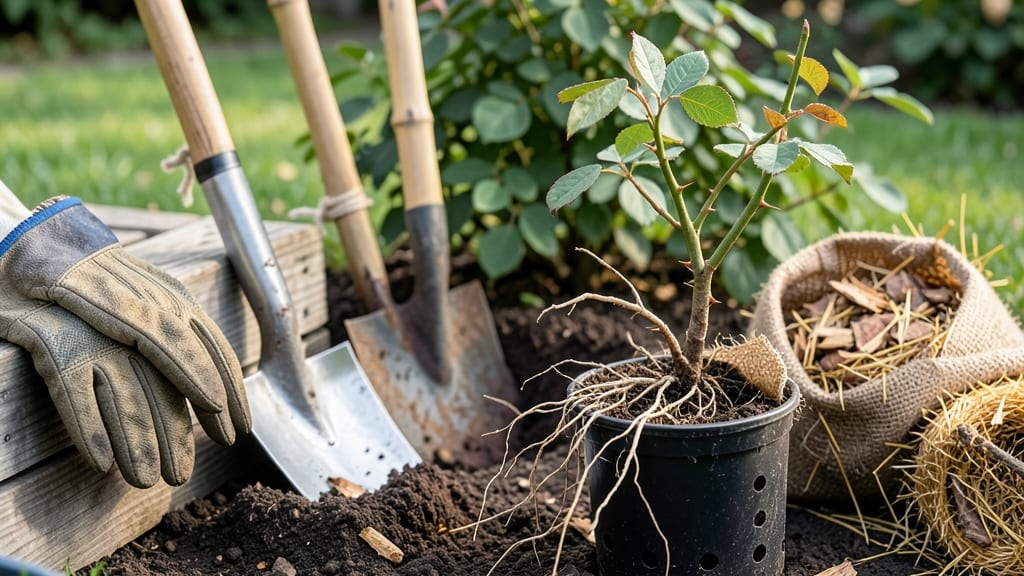
If you've ever struggled with when to plant knockout roses in Georgia, you're not alone—getting the timing wrong can mean frost damage or missed blooms.
These hardy 🌹 shrubs thrive in Georgia's Zone 7b-8b, but the difference between fall and spring planting can make or break their first year.
Fall planting (September-October) gives roots time to establish before winter, while spring (February-March) offers a longer growing season. But with Georgia's unpredictable frosts, choosing the wrong window could leave your roses struggling. Let me show you exactly when to plant for zero-frost blooms that last all season.
The key is understanding your microclimate—whether you're in northern Georgia's cooler Zone 7b or southern Zone 8b's longer frost-free period. I'll break down the best months, soil prep tips, and even container planting options to help your roses take root without risking frost damage.
By the end, you'll know exactly when to dig in for healthy, vibrant roses that reward you with non-stop blooms. Ready to transform your garden? Let's get started.
Best planting windows for knockout roses in Georgia’s Zone 8 climate
Georgia’s Zone 8 climate offers two perfect windows for planting Knockout Roses: fall (September-October) and early spring (February-March). These timings align with soil temperatures and frost risks to give your roses the best start.
Fall planting is my top recommendation because it allows roots to establish before summer heat arrives.
In Zone 8a (northern Georgia), aim for mid-September to early October—this gives roots 6-8 weeks to settle before winter. For Zone 8b (southern Georgia), you can extend planting until mid-November, but avoid planting after the first frost, which typically hits around November 15.
Spring planting should occur 4-6 weeks before your last frost date. In Georgia, this means late February to early March in most regions. Planting too early risks frost damage, while waiting too long may stress young plants as temperatures rise.
Here’s a quick comparison to help you decide:
For container planting, timing is even more critical. Containers heat up faster and dry out quicker, so I recommend planting Knockout Roses in containers in late spring (April-May) to avoid winter temperature fluctuations. Use large pots (15+ gallons) to stabilize soil temperatures and prevent root stress.
Pro tip: Check your local USDA Zone 8 sub-region for precise frost dates. Northern Georgia (Zone 8a) has earlier frosts than southern Georgia (Zone 8b). Use the National Weather Service or your local Cooperative Extension Service for hyper-local advice.
If you’re unsure about your exact frost dates, err on the side of fall planting. The cooler temperatures and consistent moisture help roots establish before summer’s heat arrives. Plus, fall-planted roses often bloom earlier the following spring because they’ve had time to settle in.
One common mistake I see is planting too late in fall or too early in spring. Late fall planting (after November) risks frost damage, while early spring planting (before February) can leave roses vulnerable to cold snaps. Always aim for stable soil temperatures above 50°F for best results.
For urban gardeners, consider microclimates. Areas near buildings or pavement may stay warmer longer, allowing slightly later fall planting. Conversely, windy or elevated spots may experience earlier frosts, so adjust your timeline accordingly.
Finally, if you’re planting bare-root roses, soak the roots for 4-6 hours before planting to rehydrate them. This is especially important in Georgia’s dry fall months. For container-grown roses, water thoroughly the day before planting to reduce transplant shock.
Best planting windows for knockout roses in Georgia’s Zone 8 climate
Georgia’s Zone 8 climate offers two prime windows for planting Knockout Roses: fall (September-October) and early spring (February-March). Fall planting gives roots time to establish before winter, while spring planting avoids late frosts that can damage tender new growth.
In Zone 8a (colder pockets like the North Georgia mountains), aim for mid-September to early October to ensure roots harden before the first frost. For Zone 8b (warmer areas like Savannah or Macon), you can extend planting until mid-November with proper frost protection.
Soil temperature is critical—roots struggle below 50°F. Test soil with a thermometer before planting. In Georgia, soil temps drop below this threshold by mid-November in most regions, making late fall planting risky unless you use mulch or row covers.
| Planting Window | Zone 8a (Colder) | Zone 8b (Warmer) | Key Considerations |
|---|---|---|---|
| Fall Planting | Mid-Sept to Early Oct | Mid-Sept to Mid-Nov | 6-8 weeks before frost; mulch heavily |
| Spring Planting | Feb to Early March | Feb to Late March | After last frost (avg. March 15); avoid heatwaves |
| Avoid Planting | Late Nov - Jan | Late Dec - Jan | Frost risk; roots won’t establish |
Avoid planting in summer (June-August)—Georgia’s heat stresses young roots. If you miss fall, wait until February when soil warms slightly. Container-grown Knockout Roses can handle spring planting better than bare-root varieties, which need cooler soil.
For container planting, Georgia’s urban gardeners can plant anytime soil temps stay above 50°F. Use well-draining potting mix and move containers to sheltered spots during cold snaps. Containers warm up faster in spring, giving you a 2-week head start over in-ground planting.
Pro tip: Check your local Cooperative Extension Service for microclimate data. Atlanta’s urban heat island can delay first frosts by 1-2 weeks compared to rural areas. Plant accordingly to maximize bloom time!