
Plants
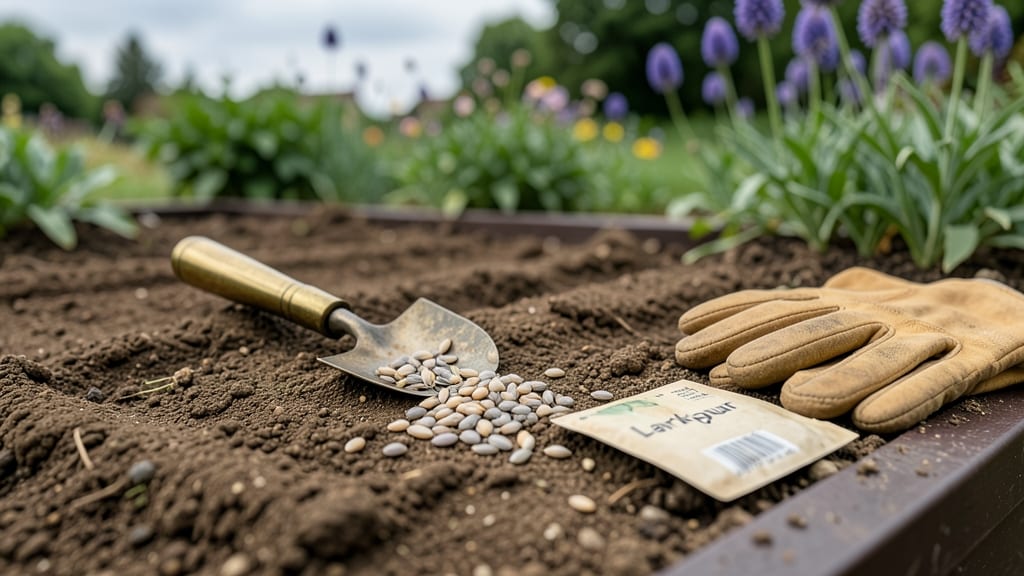
When to plant larkspur seeds in Zone 6 is the secret to those dreamy, spire-like blooms that hummingbirds can't resist. Plant too soon, and frost will nip your seedlings in the bud—literally. Too late, and your 🌸 larkspur might bolt before summer's heat sets in, leaving you with wilted stems instead of vibrant flowers.
Most gardeners in Zone 6a-6b swear by two key windows: early spring (March-April) or late summer (August). The trick is knowing your last frost date—around April 15—and adjusting your schedule to give those delicate seeds the perfect 40°F-60°F soil temperature they crave for germination.
What if you miss the spring window? Don't panic—late summer planting still works, but you'll need to prep your soil differently. I'll show you exactly how to time it right, whether you're sowing directly or starting indoors for a head start on next year's garden.
Ready to grow larkspur that stands tall and proud? Let's dive into the frost-date calendar and soil secrets that'll have your garden bursting with color by June.

Zone 6 larkspur planting dates by frost timeline
Larkspur thrives in Zone 6’s cool springs and fall temperatures, but timing is critical. The last frost date (around April 15) and first frost date (around October 15) create two ideal planting windows: early spring and late summer.
Planting outside these windows risks stunted growth or failure due to heat stress or cold damage.
For spring blooms, sow seeds 2-3 weeks before your last frost. This gives seedlings time to establish roots before warmer temperatures arrive. In Zone 6, that’s typically mid-to-late March.
If you miss this window, don’t despair—late summer sowing (around August) can yield fall blooms before frost.
Larkspur seeds need consistent soil temperatures between 40°F and 60°F to germinate. Direct sowing is preferred, as seedlings transplant poorly. Start seeds 1/4 inch deep in well-draining soil with full sun exposure. Thin seedlings to 12-18 inches apart to prevent overcrowding and fungal diseases.
🌱 Zone 6 Larkspur Planting Timeline
| Planting Window | Best Time | Soil Temp | Frost Risk | Bloom Time |
|---|---|---|---|---|
| Early Spring | Mid-to-late March | 40°F-60°F | Low (after last frost) | June-July |
| Late Summer | Early August | 50°F-65°F | Moderate (before first frost) | September-October |
| Avoid Planting | May-July | Above 70°F | High (heat stress) | Poor germination |
💡 Pro Tip: Use a soil thermometer to confirm temperatures before sowing. Larkspur seeds won’t germinate if soil is too warm.
If you’re new to Zone 6 gardening, mark your last frost date on a calendar and count backward 3 weeks for spring planting. For late summer sowings, aim for early August to ensure blooms appear before fall frosts.
Larkspur is a cool-season annual, so it won’t survive Zone 6 winters—plan accordingly.
For extended blooms, try staggered sowings. Plant half your seeds in March and the other half in early August. This creates a continuous display from June through October. Just ensure your soil stays moist during germination, which can take 10-20 days depending on temperatures.
One common mistake in Zone 6 is planting too early and risking frost damage to young seedlings. Always monitor weather forecasts and use row covers if late frosts threaten.
Conversely, planting too late in spring (after May) can lead to bolting or poor flower production due to heat stress.
Larkspur also benefits from mulching after germination to retain moisture and cool roots. Use straw or shredded leaves (2-3 inches thick) to suppress weeds and regulate soil temperature. Avoid synthetic mulches, which can overheat soil in Zone 6 summers.
Finally, choose the right larkspur variety for your Zone 6 climate. Tall varieties (like ‘Big Jim’) need staking or trellises, while dwarf types (like ‘Dwarf Blue’) thrive in containers or borders. Both perform best with well-draining soil and regular deadheading to encourage continuous blooms.
With the right planting timeline and care adjustments, your Zone 6 larkspur will reward you with gorgeous
Zone 6 larkspur planting dates by frost timeline
Larkspur thrives in Zone 6’s cooler seasons, but timing your seeds is critical for germination and bloom success. The last average frost date in most of Zone 6 falls around April 15, while the first frost typically arrives by October 15.
These dates create two ideal planting windows: early spring (March-April) and late summer (August).
For spring blooms, aim to sow seeds 2-3 weeks before your last frost date. This gives seedlings time to establish roots before soil warms.
In Zone 6a (colder microclimates), start seeds indoors in February for transplanting after frost. Meanwhile, late summer sowings (August) produce fall-blooming larkspur that thrives before winter.
🌱 Key Temperature Thresholds: Larkspur seeds germinate best in 40°F-60°F soil. Below 40°F, germination slows dramatically, while above 70°F, seedlings may bolt or struggle. Use a soil thermometer to monitor conditions—this is non-negotiable in Zone 6’s variable spring weather.
| Planting Window | Zone 6 Timing | Soil Temp | Key Notes |
|---|---|---|---|
| Early Spring | March 15 - April 15 | 40°F-55°F | Direct sow 2-3 weeks before last frost; transplant seedlings after frost. |
| Late Summer | August 1 - August 15 | 55°F-65°F | Sow for fall blooms; avoid planting after August 20 to prevent heat stress. |
| Indoor Start (Zone 6a) | February 1 - February 15 | 60°F-65°F | Transplant outdoors after last frost; harden off seedlings gradually. |
🌡️ Pro Tip: Use a seedling heat mat if spring soil stays below 40°F for more than 2 weeks.
Direct sowing is preferred for larkspur—transplants often struggle with root shock. Scatter seeds ¼-inch deep in well-draining soil with full sun exposure. In Zone 6b (warmer microclimates), you can push spring sowings to mid-April, but monitor for heat stress signs like yellowing leaves or stunted growth.
After sowing, maintain consistent moisture without waterlogging. Larkspur seeds need light to germinate, so avoid burying them deeper than ¼-inch. Thin seedlings to 12-18 inches apart once they reach 3-4 inches tall—this prevents overcrowding and fungal diseases common in Zone 6’s humid summers.
🌿 Bloom Timing Insight: Larkspur grown from spring sowings typically blooms in June-July, while late summer plantings flower in September-October. Staggered sowings can extend your hummingbird-friendly display for 3-4 months.