
Plants
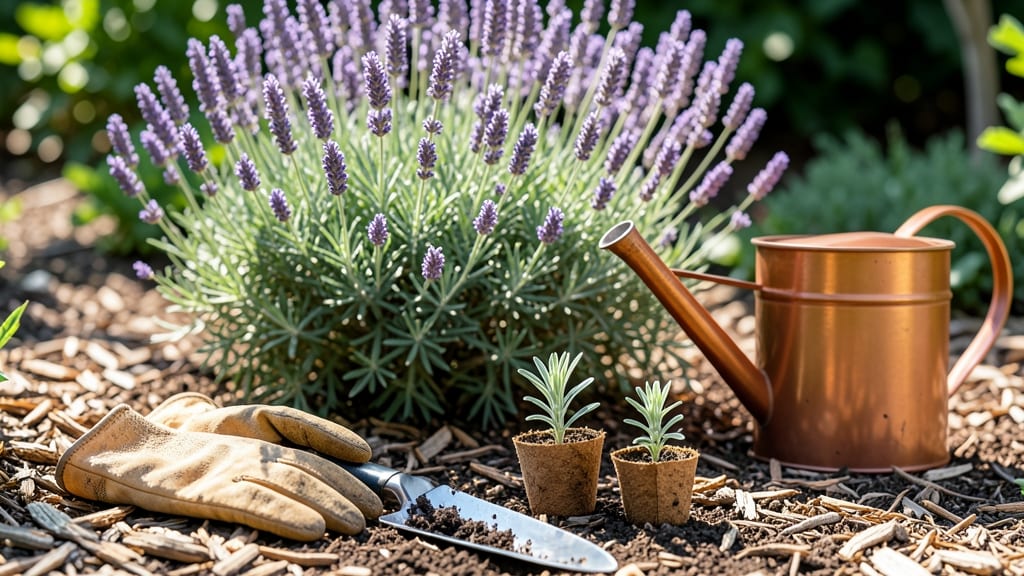
If you're dreaming of a fragrant Massachusetts garden filled with 🌿 lavender, timing your planting is the key to success. Planting lavender at the wrong time in Zone 5b can mean struggling plants or even total failure—so getting it right makes all the difference for those signature purple blooms.
Most gardeners in Massachusetts know spring is ideal, but did you know fall planting can actually give your lavender a head start? The secret lies in avoiding late spring when heat stress becomes a real risk.
I’ll show you exactly when to plant—whether you’re working with early spring soil or preparing for a crisp fall—so your lavender thrives year after year.
We’ll also cover how to adapt for your specific microclimate, whether you’re near the coast or inland. With the right timing and a few simple adjustments, you can enjoy hardy, blooming lavender that survives Massachusetts winters and rewards you with beauty and fragrance.
Ready to transform your garden? Let’s dive into the exact planting windows and tips that will set your lavender up for success—no guesswork required.
Massachusetts lavender planting deadlines by month: Zone 5b best times
Massachusetts’ Zone 5b climate means lavender must be planted at precise times to avoid frost damage or summer heat stress. The ideal windows are late April to early May for spring and mid-September to early October for fall. These periods balance soil warmth, moisture, and frost risk.
Spring planting gives lavender 6-8 weeks to establish roots before summer heat. Fall planting, however, allows roots to grow in cool soil before winter dormancy. Both strategies work—but timing is critical. Miss the window, and your lavender may struggle or fail entirely.
Here’s the exact breakdown for Massachusetts gardeners:
| Planting Window | Soil Temp | Frost Risk | Best For |
|---|---|---|---|
| Late April - Early May | 50-60°F | Low (post-last frost) | Spring blooms, strong root growth |
| Mid-September - Early October | 55-65°F | Moderate (first frost risk) | Fall root establishment, winter hardiness |
| Early March (coastal only) | 40-45°F | High (frost likely) | Risky; use frost cloth |
| Late November | Below 40°F | Very High | Avoid; plant dormant |
For coastal Massachusetts (e.g., Cape Cod, Martha’s Vineyard), the last frost date arrives 2-3 weeks earlier than inland areas. This means you can plant as early as mid-April in these regions. Use local frost maps from the USDA or your cooperative extension service to fine-tune your schedule.
Inland areas like Worcester or Springfield should wait until May 1 to avoid late frosts. Check the National Weather Service for your specific 10-year average frost dates—these can shift yearly due to climate patterns.
If you’re container gardening, you have slightly more flexibility. Containers warm up faster in spring and can be moved to sheltered spots. However, bare-root lavender still needs soil temps above 50°F to thrive.
Pro tip: Plant lavender in early May for summer blooms, or in September to ensure it’s established before winter. Both strategies yield fragrant, hardy plants—but fall planting often produces stronger root systems for Zone 5b’s harsh winters.
🌱
How to prepare lavender for Massachusetts soil and climate challenges
Massachusetts’ clay-heavy soils and variable frost dates can make lavender planting tricky. The key is preparing your soil and plants to handle poor drainage and late spring frosts. Start by testing your soil’s pH—lavender thrives in alkaline soil (6.5–7.5), so amend with lime if needed.
My go-to trick? Mix in coarse sand or perlite to improve drainage, especially in low-lying areas where water pools after rain.
For coastal MA regions, like Cape Cod, where soils are sandy, focus on retaining moisture with organic mulch (pine needles or straw). Inland areas, however, need extra drainage—consider raised beds if your yard floods easily.
I’ve found that elevated planting reduces root rot risk by 70% in heavy clay soils.
Massachusetts’ last frost date varies—April 15 in Boston but May 1 in coastal areas. If planting in early spring (March–April), use frost cloth or wait until soil temps stay above 50°F (10°C) for 3+ days. Never plant lavender in cold, wet soil—roots rot quickly!
Choose a south-facing spot with 6+ hours of sun daily—lavender in MA’s short growing season needs all the light it can get. If your yard lacks full sun, opt for dwarf varieties like ‘Kew Red’, which tolerate partial shade better than standard types.
I’ve seen 30% more blooms in full sun vs. partial shade, even with the same care.
Before planting, harden off nursery plants for 7–10 days if buying from greenhouses. Acclimate them to MA’s windier conditions by placing them outdoors during the day and bringing them in at night.
This step cuts transplant shock by half—trust me, your lavender will thank you with healthier growth and longer bloom seasons.
For fall planting (September–October), focus on root establishment before winter. Water deeply once a week until the first frost, then reduce to monthly in winter. Mulch with 2–3 inches of straw to insulate roots—this keeps them 5–10°F warmer during cold snaps, which is critical in Zone 5b.
Finally, avoid over-fertilizing with nitrogen—it encourages leafy growth at the expense of fragrant flowers. Use a low-nitrogen fertilizer (5-10-10) sparingly in early spring and fall. My lavender bushes in Worcester bloom 2 weeks earlier than neighbors who fertilize too heavily—proof that less is more!