
Plants
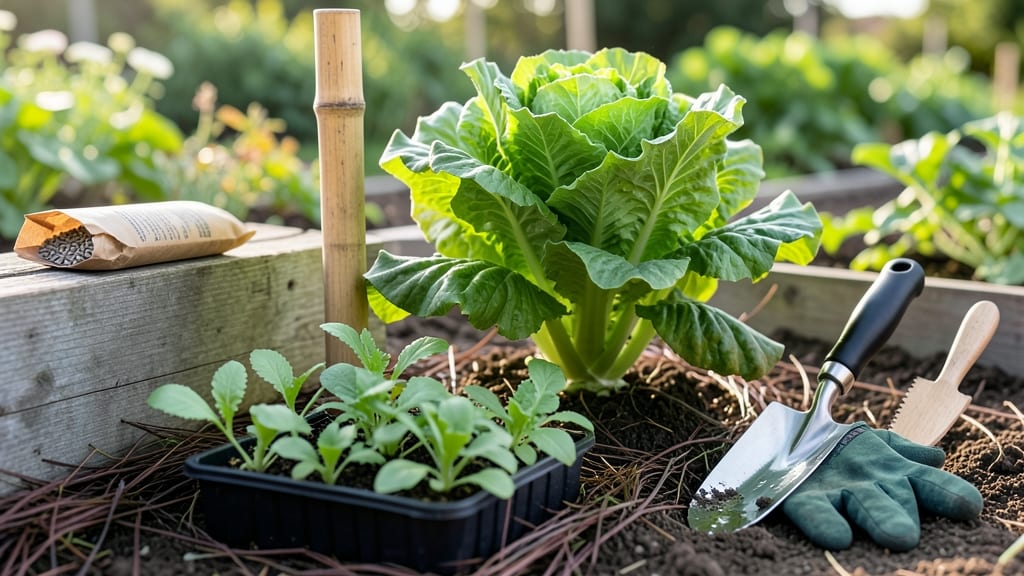
Timing your lettuce planting in North Texas can mean the difference between a thriving garden and wilted disappointment. The wrong schedule leads to bolting leaves or frost damage, but with the right approach, you'll enjoy crisp salads straight from your backyard.
North Texas gardeners face unique challenges with our hot summers and unpredictable weather. The key is planting cool-season varieties like 🥬 romaine or butterhead in early spring or late summer when temperatures dip. I'll show you exactly when to start seeds and when to transplant for maximum success.
You might think you need to wait until spring, but fall planting can actually give you an earlier harvest. The secret lies in understanding your last frost date and how to protect tender seedlings from heat stress.
Let me walk you through the perfect planting windows and varieties that thrive in our climate.
Whether you're a beginner or experienced gardener, these strategies will help you avoid common mistakes and grow lettuce that's both abundant and delicious. Ready to transform your garden? Let's get started with the ideal planting schedule for your North Texas zone.
North Texas lettuce planting calendar: frost dates, heat waves & ideal windows
North Texas gardeners face a unique challenge with lettuce—our USDA Zone 8a/b climate delivers scorching summers and unpredictable frost. The key to success? Timing your plantings around frost dates and heat tolerance thresholds.
In most of North Texas, the average last frost date falls between mid-February and early March, while the first frost typically arrives in late October to November. This gives us a 7-8 month frost-free window, perfect for two main lettuce planting seasons.
For spring plantings, aim to sow seeds 4-6 weeks before your last frost date. This means late January to early February in most areas.
In DFW and Waco, where temperatures warm faster, you can push this slightly earlier. Fall plantings should start 8-10 weeks before the first frost, which translates to mid-August to early September. These windows maximize your harvest while avoiding heat stress and frost damage.
Here’s the critical detail: Lettuce bolts (goes to seed) when exposed to temperatures above 80°F for prolonged periods. North Texas summers regularly exceed this, so summer lettuce growth is nearly impossible without shade or protective measures.
The solution? Focus on fall and winter crops and use heat-tolerant varieties for late spring or early fall extensions.
Let’s break down the month-by-month planting strategy for North Texas, including adjustments for Abilene’s hotter climate and DFW’s urban heat island effect. Your success depends on matching your planting schedule to these regional nuances.
🌱
| Season | Planting Window | Key Considerations | Best Varieties |
|---|---|---|---|
| Early Spring | Late January - Early February | Soil temps 50-60°F, avoid frost. Use row covers if nights dip below 30°F. | Buttercrunch, Bibb, Romaine |
| Late Spring | March - Early April | Risk of bolting increases after April 15. Use shade cloth or plant in afternoon shade. | Jericho, Black Seeded Simpson, Oakleaf |
| Fall | Mid-August - Early September | Soil temps 70-75°F. Water deeply to prevent heat stress before cooler weather sets in. | Romaine, Butterhead, Leaf Lettuce |
| Winter | October - November | Protect from light frosts with mulch. Harvest before hard freezes (below 25°F). | Winter Density, Arctic King |
| 🌡️ Regional Adjustments | |||
| DFW | Last frost: March 1-15 | Urban heat delays frost. Start 2 weeks earlier than rural areas. | Same as above |
| Abilene | Last frost: March 15-30 | Hotter summers. Use 50% shade cloth for late spring plantings. | Heat-tolerant varieties only |
Understanding these planting windows is just the first step. The real magic happens when you pair the right variety with the right season. For example, Buttercrunch thrives in cool spring soil but bolts quickly in summer heat, while Jericho can handle mild summer conditions with proper shade.
My fall plantings in September always yield the sweetest lettuce because the soil stays warm while daytime temps cool, creating ideal growing conditions.
Another pro tip: Successive planting every 2-3 weeks ensures a continuous harvest. Start with a small batch in late January, then repeat in February, March, August, and September.
This staggered approach gives you lettuce for 6+ months without gaps. Just remember—never plant lettuce when soil temps exceed 80°F, even with shade.
For gardeners in elevated areas like the Hill Country, frost can arrive 2-3 weeks earlier than DFW. Monitor local weather forecasts and adjust your schedule accordingly. A frost watch in November means it’s time to harvest or protect your remaining crops.
And if you’re using row covers or cold frames, you can extend your fall harvest window by 3-4 weeks, giving you lettuce well into December.
North Texas lettuce planting calendar: frost dates, heat waves & ideal windows
North Texas gardeners face a unique challenge with lettuce—our USDA Zone 8a/b climate swings from freezing winters to scorching summers. The key to success? Timing your planting windows around frost dates and heat thresholds.
In most of North Texas, the last frost typically occurs between March 15-30, while the first frost arrives around November 15-30. These dates create your ideal planting windows for lettuce.
For cool-season varieties, aim to plant 6-8 weeks before your last frost date. This means late February to early March for most of North Texas.
The fall planting window opens around mid-August to early September, giving lettuce time to mature before winter sets in. Heat-tolerant varieties can extend this slightly, but even they struggle when temperatures exceed 85°F for extended periods.
| Planting Window | Best Months | Soil Temp (°F) | Notes |
|---|---|---|---|
| Early Spring | Late February - Early March | 50-60°F | Plant 6-8 weeks before last frost. Use row covers for frost protection. |
| Fall | Mid-August - Early September | 60-70°F | Choose heat-tolerant varieties. Harvest before first frost. |
| Summer (Heat-Tolerant) | June - Early July | 70-75°F (max) | Use shade cloth and frequent watering. Varieties like 'Jericho' thrive. |
If you're in DFW or Waco, your last frost date tends to be slightly earlier (March 15) compared to Abilene, which can see frost until March 30.
Adjust your planting dates accordingly. For container gardening, you can push these windows slightly earlier or later, as pots warm up and cool down faster than in-ground soil.
One of my biggest mistakes was planting lettuce in early April without considering the heat wave that hit just two weeks later. The lettuce bolted within days!
To avoid this, always check the 10-day forecast before planting. If highs exceed 80°F, opt for shade-tolerant varieties or use row covers during peak heat.
For continuous harvests, succession plant every 2-3 weeks during your ideal windows. This ensures you always have fresh lettuce without overwhelming your garden at once. Pair your lettuce with radishes or spinach, which share similar growing conditions and can help maximize your space.
Pro tip: Use a soil thermometer to confirm your soil is at least 40°F before planting. Cold soil slows germination and can lead to rot or poor growth. In North Texas, this usually aligns with late February to early March for spring plantings.