
Plants
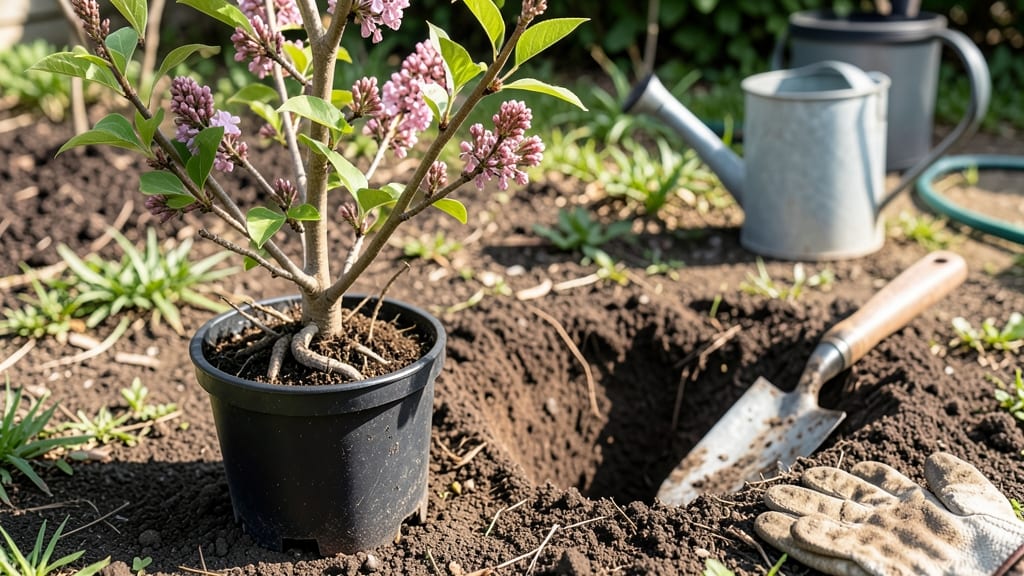
Planting your 🌸 lilac bushes in Ohio at the wrong time can mean the difference between a thriving shrub and one that struggles to take root.
With Ohio's Zone 6a climate, timing is everything—too early and frost can damage tender roots, while planting too late might leave your lilac playing catch-up all season.
Most Ohio gardeners swear by early spring planting, ideally between March and April, when soil temperatures rise above 40°F and the threat of hard frost has passed. But fall planting is also an option if you act early, giving roots time to establish before winter sets in.
The key is avoiding Ohio's notorious late frosts, which can sneak in as late as mid-April in some areas.
Whether you're working with bare-root plants or container-grown lilacs, understanding your local microclimate makes all the difference. In colder northern Ohio regions, you might need to adjust your timeline by a week or two compared to warmer southern areas like Cincinnati.
Let's break down exactly when to plant for the strongest, healthiest lilacs in your yard.
Ready to get started? I'll walk you through the best planting windows, soil prep tips, and even how to check if your Ohio soil is truly ready for lilacs. With the right timing, you could be enjoying fragrant blooms by next spring!
Ohio’s best planting windows for lilac bushes by hardiness Zone
Ohio’s USDA Zones 5-6 create unique challenges for lilac planting—late frosts in spring and early freezes in fall demand precise timing. Most Ohio gardeners succeed by planting 4-6 weeks before the last frost date (typically mid-April) or in early fall (September-October).
These windows align with soil temperatures ideal for root establishment (40-50°F).
Cincinnati’s Zone 6a often warms faster than Cleveland’s Zone 5b, so adjust timing by 1-2 weeks. For example, plant in late March in southern Ohio but wait until early April in the northeast. Always check local frost dates from the Ohio State Extension for real-time adjustments.
Lilacs thrive when planted during their dormant season—either late fall or early spring. This timing allows roots to establish before extreme heat or cold stress. Bare-root lilacs (most common) need moist soil for root regrowth, while container-grown lilacs can handle slightly later planting.
Here’s how Ohio’s microclimates affect planting windows:
| Factor | Spring Planting (March-April) | Fall Planting (September-October) |
|---|---|---|
| Best For | Bare-root lilacs, faster bloom time | Established roots before winter |
| Soil Temp | 40-50°F (root regrowth) | 50-60°F (root hardening) |
| Frost Risk | High (late frosts) | Moderate (early freezes) |
| Water Needs | Consistent moisture | Reduced (dormant season) |
| Ohio Zones | 5b-6a (adjust for microclimates) | All zones (earlier in south) |
Spring planting offers faster blooms the first year, but requires vigilance against late frosts. For example, a March 15 planting in Columbus carries a 30% chance of frost damage. Fall planting reduces this risk, though lilacs may take 1-2 years to bloom. Mulch heavily after fall planting to insulate roots.
Ohio’s last frost dates vary by 10-14 days across the state. Use these benchmarks:
- Southern Ohio (e.g., Cincinnati): Last frost around April 1
- Central Ohio (e.g., Columbus): Last frost around April 15
- Northeast Ohio (e.g., Cleveland): Last frost around May 1
For container-grown lilacs, extend the planting window by 2-3 weeks later than bare-root varieties. Their established root balls handle warmer soil better. Always remove containers before planting to prevent girdling roots.
Pro tip: Plant lilacs on the south or west side of your yard to maximize sunlight exposure. This helps offset Ohio’s cloudy springs and ensures robust flowering. Pair with early-blooming bulbs like daffodils to extend your spring color show.
Verify your local frost dates annually—they shift with climate change. Ohio State Extension’s Frost/Freeze Forecast is your best resource for real-time adjustments. 🌸
Signs your Ohio soil is ready for lilac planting (and how to fix it)
Ohio’s clay-heavy soils and unpredictable moisture can challenge lilac growth, but knowing the right soil readiness cues ensures strong root establishment. The key is checking three critical factors: temperature, moisture, and pH balance.
For lilacs, soil should be workable but not soggy—think of damp, crumbly loam that holds shape when squeezed but breaks apart easily.
Start by testing your soil’s temperature—lilacs thrive when soil reaches 50°F (10°C) at a depth of 6 inches. Use a soil thermometer or dig down to check: if the soil feels cool to the touch, wait another week.
In Ohio’s USDA Zone 5-6, this typically aligns with late March to early April for spring planting or mid-September to early October for fall.
Next, assess moisture levels. Stick your finger 2-3 inches deep—if the soil feels dry, water thoroughly 24 hours before planting. Lilacs hate waterlogged roots, so avoid planting after heavy rains. A simple test: fill a jar halfway with soil, add water, and shake.
If water drains within 10 minutes, your soil is ideal. If it pools at the top, amend with sand or perlite.
Clay Soil: Mix in 2-3 inches of compost + sand
Sandy Soil: Add peat moss or aged manure
pH Too Low (<6.0): Sprinkle lime (1 lb per 100 sq ft)
pH Too High (>7.5): Work in sulfur or pine needles
Don’t overlook pH testing, as lilacs prefer slightly alkaline soil (6.0–7.0). Grab a $10 soil test kit from garden centers or mail a sample to Ohio State University Extension for a detailed report.
If your soil tests below 6.0, spread pelletized lime 2-3 months before planting. For acidic soils, work in wood ash or crushed oyster shell at planting time.
Finally, amend the planting hole with a 50/50 mix of native soil and compost. Avoid fresh manure—it can burn roots. For heavy clay, add coarse sand to improve drainage.
Mulch with 2-3 inches of wood chips after planting to retain moisture and regulate soil temperature. Replenish mulch annually in late winter.
With these adjustments, your Ohio soil will provide the perfect foundation for lilacs to establish roots quickly and bloom abundantly next spring. The secret? Patience and preparation—lilacs reward gardeners who take the time to get the soil right. 🌿