
Plants
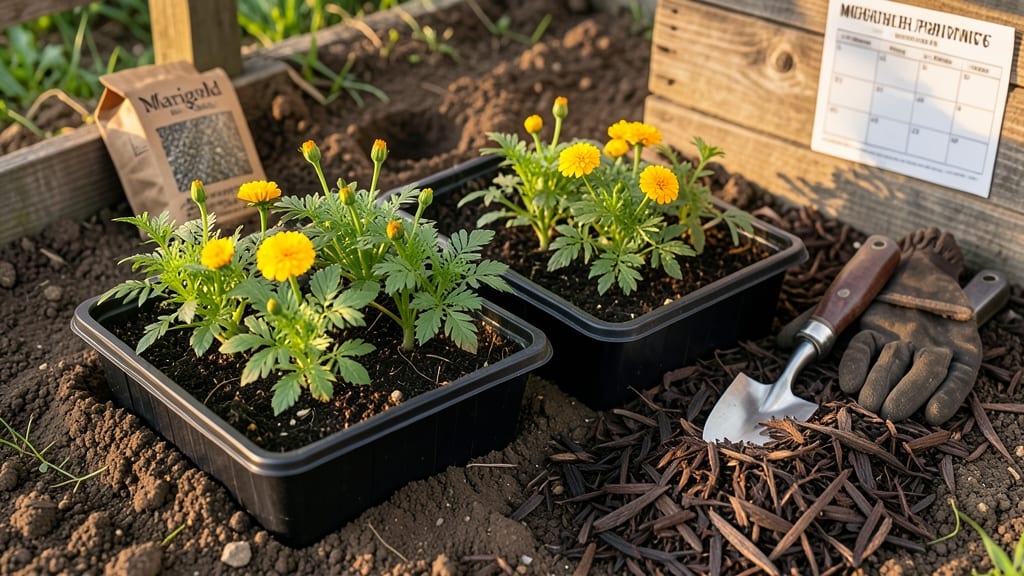
Timing your marigold planting in Michigan can mean the difference between a vibrant garden and wasted effort—because these cheerful 🌼 blooms demand the right conditions to thrive. Whether you're a seasoned gardener or just starting, getting the soil temperature and frost dates right is the key to success.
Most Michigan gardeners know the struggle: plant too early, and frost will nip your marigolds before they even get started. Too late, and you might miss out on those stunning summer blooms.
The secret lies in waiting until the soil warms to at least 55°F, which typically aligns with mid-April to mid-May for most of the state.
But here's the game-changer: you can also plant marigolds in late summer for fall blooms, extending your garden's beauty well into October. I'll walk you through the exact soil warmth triggers and regional variations you need to know—so you can confidently choose the perfect planting window for your Michigan garden.
From tracking soil temperature to adjusting for raised beds, we'll cover everything you need to ensure your marigolds take root and flourish. Let's get those 🌼 growing!
Michigan’s frost-free planting zones for marigolds (and soil temperature rules)
Michigan’s USDA zones 5b-6b create a unique challenge for marigold lovers—late spring frosts can still linger into May, while summer heat arrives quickly once the danger passes.
The key to success? Planting after your average last frost date (typically April 15-30, depending on region) and ensuring soil temperatures hit 55°F+ for germination.
Northern Michigan (Upper Peninsula) gardeners face earlier frost risks—sometimes until May 15—while Southern Michigan (Lower Peninsula) can often plant by mid-April. Always check your local Michigan State University Extension frost date maps to avoid frost damage to tender seedlings.
Marigolds thrive in warm soil, so don’t rush planting just because the air feels spring-like. Use a soil thermometer to confirm temperatures are consistently 60°F+ at a 4-inch depth—this is your green light for transplanting.
🌱 Michigan Marigold Planting Zones & Soil Rules
| Zone | Last Frost Date | Soil Temp for Germination | Best Planting Window | Fall Planting Window |
|---|---|---|---|---|
| Northern MI (Zone 5b) | May 1-15 | 55°F+ (4-inch depth) | May 15-June 1 | August 15-Sept 1 |
| Southern MI (Zone 6a) | April 15-30 | 55°F+ (4-inch depth) | April 30-May 15 | August 1-Sept 15 |
| Southwest MI (Zone 6b) | April 1-15 | 55°F+ (4-inch depth) | April 15-May 1 | August 1-Sept 10 |
Pro Tip: Raised beds warm 2-3 weeks faster than in-ground soil—ideal for early planting!
For fall planting, aim for August 1-September 1 in most of Michigan. This gives marigolds 6-8 weeks of growth before first frost (typically October 15), ensuring vibrant blooms through Indian summer. Use black plastic mulch to extend the season by 2-3 weeks.
If you’re starting seeds indoors, begin 6-8 weeks before your last frost date. Seedlings need warmth (70°F+) to germinate quickly—use a heat mat if your home stays cool. Harden off seedlings for 7-10 days before transplanting outdoors.
Remember: Marigolds hate cold soil. Even if your garden looks ready, check soil temps—cooler than 55°F delays germination by weeks. Patience here means bigger, healthier plants once summer arrives.
🌼
3 Soil warmth triggers to time marigold planting like a pro
Timing your marigolds perfectly in Michigan’s unpredictable climate isn’t just about checking a calendar—it’s about reading your soil’s temperature cues. Marigolds thrive when the ground warms to 55°F or higher, but rushing them into cold soil can stunt growth or invite disease.
Here’s how to master the art of planting when your garden is truly ready.
First, grab a soil thermometer—it’s your best friend for precision. Stick it 2 inches deep in the soil on a sunny morning (after 10 AM) and wait for consistent readings of 60°F or warmer.
This warmth signals that seeds will germinate reliably or that seedlings can safely transition outdoors without shock.
Use a soil thermometer to confirm 60°F+ at 2" depth. Test in morning sunlight for accuracy.
Watch for lilacs in bloom (late May) or dandelions flowering—both signal soil warmth ideal for marigolds.
Raised beds hit 60°F 1-2 weeks earlier than in-ground soil. Mulch with straw or leaves to lock in heat.
For those in northern Michigan (USDA Zone 5b), aim for May 10–20 after the last frost, while southern regions (Zone 6a) can start as early as April 25–May 5. If you’re using container gardening, black pots absorb heat faster—plant them first to extend your season.
Pro tip: If your soil is still chilly, cover seedlings with frost blankets at night for the first week. This buys you time while the ground warms naturally. And remember—fall planting (August–September) works too! Marigolds handle cooler temps better than many flowers and bloom until frost.
Once planted, keep an eye on leaf color. Yellowing leaves? Your marigolds might be struggling from cold soil or overwatering. Adjust your care, and soon you’ll have a vibrant border that repels pests and brightens your garden all season.