
Plants
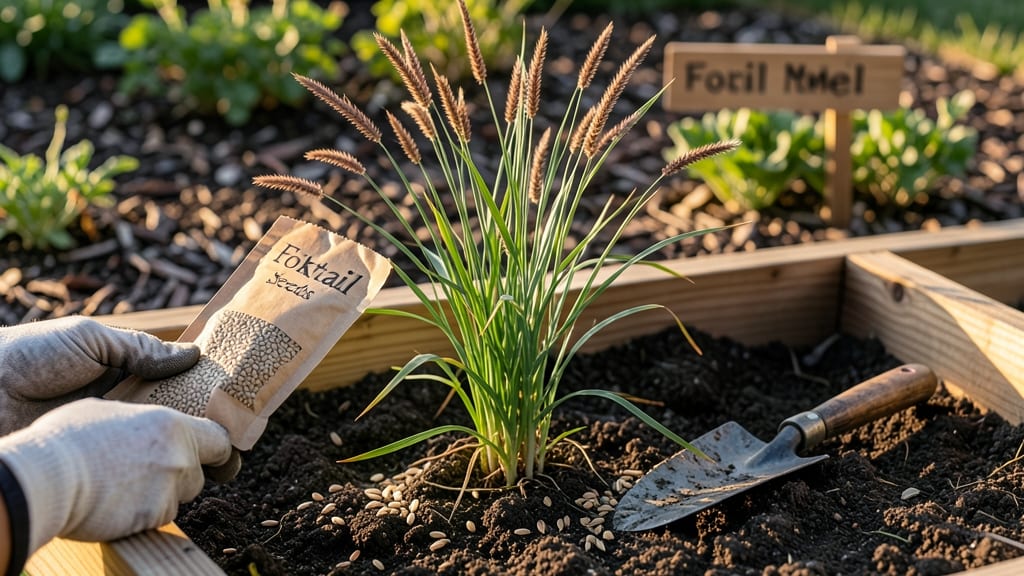
Timing your millet planting in Oklahoma could mean the difference between a bountiful harvest and struggling with drought. This hardy grain thrives in 6b-8a zones when planted just right—too early, and frost threatens tender shoots; too late, and summer heat stifles growth.
With Oklahoma’s unpredictable weather, knowing the exact months to plant millet—like late April to early June or late July to early August—is key. Whether you’re growing it for grain, forage, or ornamental beauty, the right schedule ensures your 🌾 millet stands strong against heat and dry spells.
I’ll break down the best planting windows for northern, central, and southern Oklahoma, plus soil prep tips to maximize drought resistance. By the end, you’ll know exactly when to sow for peak yields—without guessing.
Ready to grow millet that outperforms traditional crops? Let’s dive into the strategies that work in Oklahoma’s climate.
Optimal millet planting months in Oklahoma by region (with temperature zones)
Oklahoma’s diverse climate zones (USDA 6b-8a) mean millet planting dates vary dramatically—from the Panhandle’s cooler springs to Tulsa’s sweltering summers. Timing isn’t just about months; it’s about soil temperatures (aim for 60°F+) and avoiding late spring frosts that can stall growth.
For northern Oklahoma (e.g., Panhandle), start planting late April to early May when nighttime temps stay above 50°F.
In central Oklahoma (Oklahoma City area), shift to mid-April to early June, while southern Oklahoma (Tulsa) can plant as late as late May to early June thanks to longer growing seasons.
Here’s how three millet varieties perform across these zones: pearl millet (heat-tolerant), foxtail millet (fast-maturing), and proso millet (drought-resistant). Each thrives in different windows—foxtail for early harvests, pearl for high heat, and proso for water scarcity.
🌾
| Region | USDA Zone | Planting Window | Soil Temp Threshold | Best Variety |
|---|---|---|---|---|
| Northern (Panhandle) | 6b-7a | Late April–Early May | 60°F+ | Proso millet |
| Central (Oklahoma City) | 7a-7b | Mid-April–Early June | 60°F+ | Pearl millet |
| Southern (Tulsa) | 7b-8a | Late May–Early June | 65°F+ | Foxtail millet |
Pro tip: Use a soil thermometer to confirm readiness—60°F soil is non-negotiable for germination. In drier years, opt for summer planting (late July) to avoid spring moisture stress.
For late-season harvests, southern Oklahoma gardeners can push planting to early August, but expect smaller yields due to shorter daylight. Northern growers should stick to spring for reliable maturity before first frost (mid-October).
🌡️
Millet’s drought tolerance is its superpower, but timing still matters. Plant too early in northern Oklahoma, and late frosts (even in May) can damage seedlings. Too late in southern Oklahoma, and intense summer heat (100°F+) stunts growth before harvest.
My go-to strategy? Start test rows in mid-April (central OK) to gauge frost risk, then scale up by early May. For high-risk zones, use row covers until soil warms consistently.
✂️
How to adjust planting dates for drought resistance and peak yield
Oklahoma’s unpredictable rainfall and intense heat demand smart millet planting strategies. Adjusting your schedule by just a few weeks can mean the difference between a bountiful harvest and a struggling crop.
For example, planting foxtail millet in early April (instead of late May) gives it a head start before summer droughts hit, while proso millet thrives when sown in late July for a fall harvest.
Start with soil temperature checks—millet needs 60°F+ soil to germinate. Use a soil thermometer in the morning; if it’s cooler, wait 1-2 weeks. In drought-prone areas like the Panhandle, opt for early-maturing varieties like ‘Tift 23’ pearl millet, which matures in 60 days and avoids late-summer heat stress.
Extend your growing season with mulching. Apply 2-3 inches of straw or wood chips after planting to lock in moisture and keep roots cool. This is especially critical in central Oklahoma, where May temperatures can spike to 90°F+ by June.
Mulch also suppresses weeds, reducing competition for water during dry spells.
- Early April: Plant foxtail millet in northern OK (Panhandle) for 60-day harvest before droughts peak.
- Late May: Ideal for central OK—avoids early heat but still allows 90-day maturity.
- Late July: Southern OK’s summer planting window for fall harvests before first frost.
- Drip irrigation: Water deeply 2x/week during flowering (critical for seed set).
- Variety swap: Use proso millet in dry years—it tolerates lower moisture than pearl millet.
Don’t overlook drip irrigation—it’s a game-changer for millet in Oklahoma. Run lines early morning to deliver 1 inch of water weekly during flowering (when seed heads form).
This prevents premature drying without wasting water. Pair it with raised beds in heavy clay soils (common in Tulsa) to improve drainage and root health.
For peak yield, time your harvest by monitoring seed head color. Wait until they turn light tan and rattle when shaken—this usually happens 60-90 days after planting, depending on variety. In southern Oklahoma, harvest earlier (late July) to avoid October rains that can cause spoilage.
Pro tip: Keep a planting journal to track millet performance by region. Note which varieties thrived in your USDA zone and adjust next year’s schedule accordingly. For example, if 2023’s late May planting failed due to drought, try early April next year instead.