
Plants
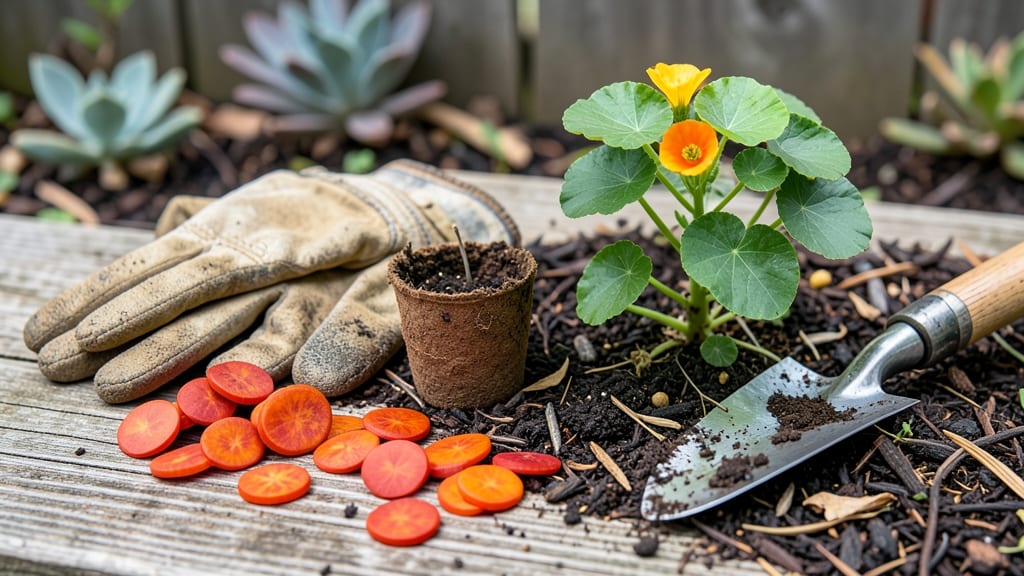
Planting nasturtium seeds at the wrong time in Southern California could mean missing out on those bold, edible blooms you love—especially when your garden stays warm year-round.
Unlike frost-sensitive plants, nasturtiums 🌸 actually thrive in your region’s 9b-11 climate zones, but timing still matters for strong germination and continuous harvests.
Most gardeners assume you can plant anytime, but the key trick is avoiding the hottest summer months when soil temperatures soar above 85°F. Instead, focus on cooler seasons like fall or early spring when seeds germinate faster and seedlings establish roots before summer’s intensity kicks in.
Whether you’re growing nasturtiums in containers or directly in the ground, I’ll break down the perfect planting windows—plus soil prep tips and care tricks—to keep your plants flourishing from October through June. Let’s get those vibrant flowers growing strong!
Ready to transform your garden into a nasturtium paradise? We’ll cover everything from coastal vs. inland adjustments to heat-proofing your plants for a year-round harvest. Your next edible garden masterpiece starts here!
Optimal planting windows for nasturtium seeds in Southern California’s zones 8-11
Southern California’s mild winters and hot summers create a nearly year-round growing season for nasturtiums. Unlike northern climates, you won’t deal with frost—just heat stress if planted at the wrong time. The key is avoiding soil temperatures above 85°F, which can prevent germination or scorch seedlings.
For best results, focus on fall through early spring planting. This aligns with cooler soil temps and consistent moisture. Coastal areas (like San Diego) can plant slightly earlier than inland desert regions (like Palm Springs) due to ocean breezes moderating heat.
🌱
| Month | Coastal Timing | Inland Timing | Soil Temp | Notes |
|---|---|---|---|---|
| September | ✅ Ideal | ✅ Ideal | 65-75°F | Best germination; avoid late afternoon sun |
| October | ✅ Ideal | ✅ Ideal | 60-70°F | Perfect for container planting |
| November | ✅ Ideal | ✅ Ideal | 55-65°F | Cooler nights; use shade cloth if needed |
| December | ✅ Good | ⚠️ Risk of heat stress | 50-60°F | Inland areas may need afternoon shade |
| January | ✅ Good | ✅ Ideal | 50-60°F | Best for late-season blooms |
| February | ✅ Good | ✅ Ideal | 55-65°F | Prepare for spring heat with mulch |
| March | ⚠️ Risk of heat stress | ⚠️ Risk of heat stress | 65-75°F | Use shade cloth for seedlings |
| April | ❌ Avoid | ❌ Avoid | 75-85°F | Too hot; wait for fall |
If you’re container gardening, you have more flexibility to move pots into shade during peak afternoon heat. Coastal gardeners can push boundaries slightly later into spring (up to March) by providing afternoon shade with 30% shade cloth. Inland areas should stick to fall planting for best results.
For year-round harvests, stagger plantings every 4-6 weeks from September through January. This ensures a continuous supply of edible flowers and leaves for salads or garnishes. Just remember: nasturtiums are fast growers—
How to adjust planting times for nasturtium varieties in hot climates
Not all nasturtium varieties handle Southern California’s heat spikes the same way. Some thrive in summer’s scorching sun, while others need cooler conditions to germinate properly.
Understanding these differences helps you choose the right variety for your planting window and microclimate—whether you’re in coastal Santa Barbara or inland Palm Springs.
For heat-tolerant varieties like 'Empress of India' or 'Peach Melba', you can push planting into late spring (May) or even early summer (June) with afternoon shade. These types handle 90°F+ temperatures better than others, making them ideal for extended summer blooms.
Just be prepared to water deeply and mulch heavily to retain moisture.
🌱 Pros & Cons: Nasturtium Varieties in Hot Climates
Heat-Tolerant Varieties
- ✅ 'Empress of India': Bold flowers, thrives in 90°F+
- ✅ 'Peach Melba': Long blooming, drought-resistant
- ✅ 'Alaska': Cold-hardy but summer-friendly with shade
Best for: Late spring/early summer planting
Heat-Sensitive Varieties
- ❌ 'Jewel Mix': Needs cooler temps to germinate
- ❌ 'Dwarf Gem': Bolts quickly in heat
- ❌ 'Tom Thumb': Prefers fall planting
Best for: Fall or early spring planting
If you’re planting heat-sensitive varieties like 'Jewel Mix' or 'Tom Thumb', stick to fall (September–November) or early spring (February–March). These types struggle with soil temps above 80°F, leading to poor germination or stunted growth.
For a year-round harvest, I recommend planting heat-tolerant types in spring and cool-season varieties in fall—this way, you’ll always have fresh blooms and edible leaves ready to pick.
For climbing nasturtiums like 'Black Velvet', timing matters even more. These need strong stems to support their vines, which develop best in cooler weather. Plant them in late winter (January–February) for spring trellises or early fall (August–September) to avoid summer wilting.
Pair them with tomatoes or cucumbers for a natural trellis and companion planting boost.
Pro tip: Use shade cloth (30–50%) if planting in peak summer (June–August). This creates a microclimate that keeps soil temps 10–15°F cooler, improving germination rates for heat-sensitive seeds. Just remove the cloth once seedlings sprout to encourage strong, sun-loving growth.
Remember, container planting gives you more flexibility with timing. Pots heat up faster than garden beds, so delay summer planting until late afternoon shade is available. If you’re in a coastal area, you can plant 2–4 weeks earlier than inland zones—cooler ocean breezes help regulate soil temps naturally.