
Plants
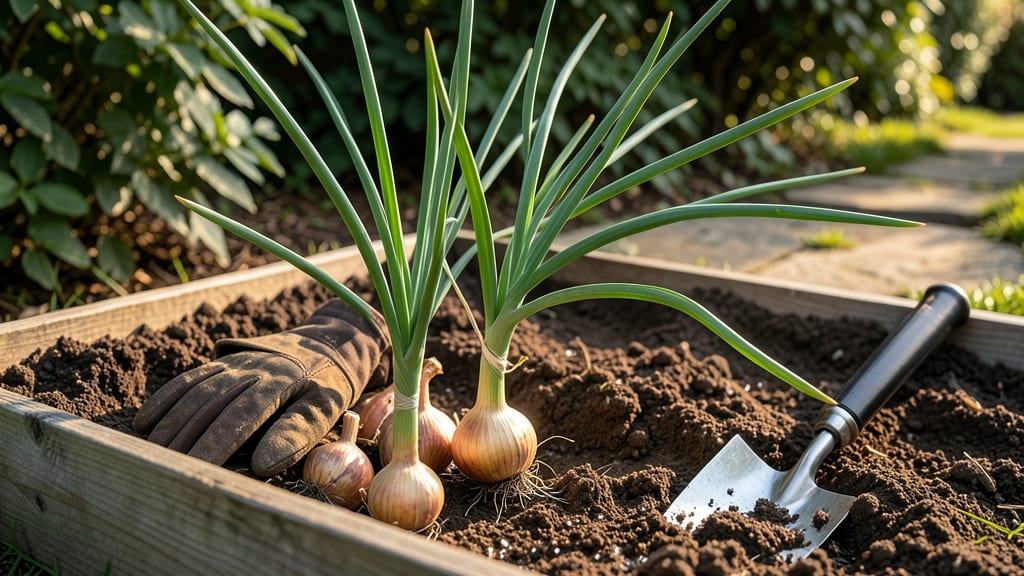
Timing your 🧅 onion bulb planting in Texas isn't just about following a calendar—it's about outsmarting the heat to avoid bitter, bolted harvests.
Whether you're in North Texas's chilly winters or South Texas's relentless sun, getting those bulbs in the ground at the wrong time means wasted effort and empty garden beds.
I've seen firsthand how a 2-week difference in planting can turn a thriving onion patch into a sad, bolted mess. The key is understanding your specific Texas zone—whether you're in frost-prone 8a or balmy 10b—and planting during those narrow windows when temperatures cooperate.
In this guide, I'll break down exactly when to plant for both fall and spring harvests, plus the heat-beating strategies that keep your onions happy until harvest. No more guessing—just science-backed timing to grow onions that actually reach their full potential.
Ready to stop losing your onion harvests to Texas heat? Let's dive into the precise planting schedule that works for your corner of the Lone Star State.
Texas heat-zone planting calendar for onion bulbs (avoid bolting)
Texas’ diverse climate zones (8a–11) make onion planting a delicate timing game—get it wrong, and you’ll battle bolting or stunted growth. The key? Planting when soil temps hover between 55–65°F and avoiding heat spikes over 85°F.
Fall and early spring offer the sweet spot, but your exact window depends on whether you’re in North Texas (cooler) or South Texas (warmer).
For North Texas (zones 8a–8b), aim for October 1–November 15 (fall) or February 1–March 15 (spring).
In Central Texas (zones 8b–9a), shift to September 15–October 30 (fall) or January 15–February 28. South Texas (zones 9b–11) gardeners should plant August 15–September 30 (fall) or December 15–January 31 to dodge summer’s relentless heat.
🌱 Pro Tip: Use onion sets (small bulbs) instead of seeds for faster, more reliable harvests. Sets sprout quicker and tolerate Texas’ unpredictable springs better.
🌡️ Soil Temperature Matters: Use a soil thermometer to confirm temps before planting. Onions won’t germinate below 40°F or above 85°F. If your soil runs hotter, opt for shade cloth (30–50%) to buy time.
In North Texas, where frosts linger until mid-January, focus on fall planting for a spring harvest. Central and South Texas gardeners can stretch into early spring but must pull seedlings by April to prevent bolting. Short-day onions (like Texas Early White) handle Texas heat better than long-day varieties.
⏰ Planting Depth: Bury onion sets 1 inch deep, with 2 inches between bulbs and 12 inches between rows. This spacing improves airflow, reducing fungal diseases like downy mildew—a common Texas issue during humid springs.
For container growers, use 5-gallon pots with well-draining mix (50% potting soil, 30% compost, 20% perlite). Place pots in morning sun to avoid afternoon heat stress. Dwarf varieties like ‘Stuttgarter’ thrive in containers and bolt less in Texas heat.
💧 Watering Hack: Keep soil consistently moist (not soggy) by watering early morning. Let the top 1 inch dry out between waterings to prevent rot. In South Texas, mulch with straw to retain moisture and cool roots during 100°F+ days.
Plan for a 6–8 week harvest window after planting sets. Fall-planted onions mature by April, while spring-planted ones may be ready by June—just as Texas heat ramps up. Succession plant every 2 weeks for continuous harvests.
Texas heat-zone planting calendar for onion bulbs (avoid bolting)
Texas's diverse climate zones—from North Texas's freezing winters to South Texas's 100°F+ summers—make onion planting a delicate balancing act. The wrong timing can send your onions bolting (flowering prematurely) or rotting in soggy soil.
But with precise zone-based scheduling, you can grow sweet, plump bulbs that store well all winter.
I've planted onions across USDA zones 8a through 10b, and the difference between a perfect harvest and a failed attempt often comes down to these two critical windows: fall (for winter storage) and early spring (for summer harvest). Let's break down the exact months for your Texas location.
| Texas Zone | Fall Planting Window | Spring Planting Window | Soil Temp (°F) | Key Notes |
|---|---|---|---|---|
| 8a (North Texas) | October 15 - November 15 | February 15 - March 15 | 50-65°F | Plant 6 weeks before first frost (Dec 1) |
| 9a (Central Texas) | October 1 - November 1 | February 1 - March 1 | 55-70°F | Avoid planting after Nov 15 (heat risk) |
| 10a (South Texas) | September 15 - October 15 | January 15 - February 15 | 60-75°F | Use shade cloth after March to prevent bolting |
Notice how South Texas can plant as early as September while North Texas waits until mid-October? That's because cooler zones need extra time to establish roots before winter chill sets in. The soil temperature is your best gauge—aim for 50-75°F depending on your zone.
For spring planting, the rule is simple: 2-3 months before your last frost date. In North Texas (last frost: Jan 15), that means mid-February planting.
But in South Texas (last frost: Dec 15), you can push it to late January. The goal is to harvest before summer heat triggers bolting.
Pro tip: Use a soil thermometer to confirm temps—cool, moist soil is ideal for onion sets. If your soil runs hotter than 75°F, your onions will bolt faster than you can say "Texas summer." 🌡️