
Plants
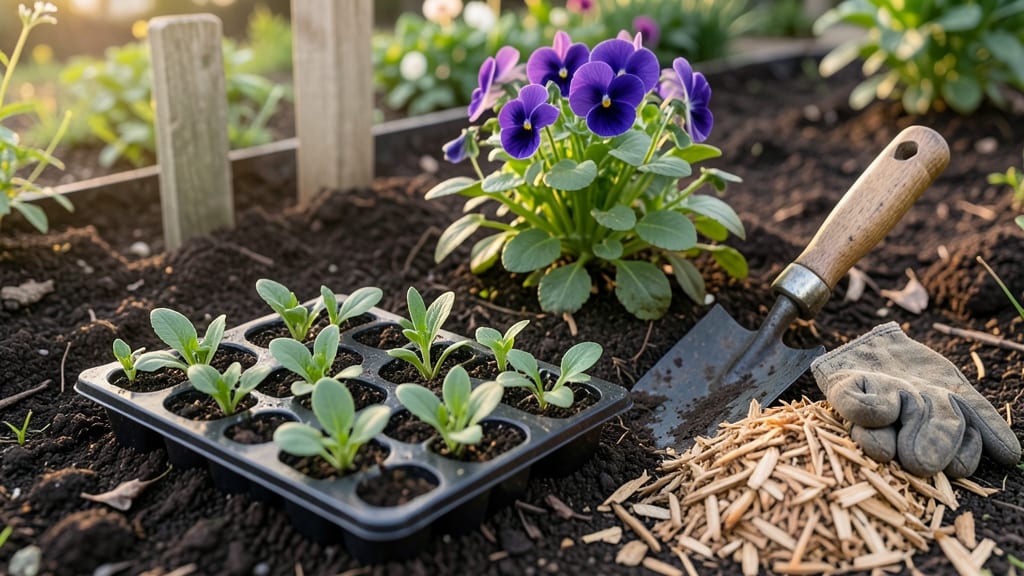
If you've ever wondered when to plant pansies in Michigan for vibrant blooms that last from fall to spring, timing is the secret weapon in your gardening arsenal.
These cheerful 🌸 beauties thrive when planted just right—too early, and summer's heat will send them bolting; too late, and frost might nip them before they even take root.
Michigan's climate, with its USDA zones 5b-6b and unpredictable frost dates, demands precision. The ideal windows are late August to early October for fall planting and April to May for spring, but local microclimates—like the cooler Upper Peninsula versus the warmer Lower Peninsula—can shift those dates by weeks.
I'll break down the exact frost-date calendar tailored to Michigan regions, plus soil prep tricks to keep your pansies blooming longer. Whether you're in Detroit, Grand Rapids, or Traverse City, you'll learn how to adjust for early frosts and extend your color show through winter.
Ready to transform your garden into a year-round display? Let's dive into the frost-proof planting schedule that'll make your neighbors green with envy.
Michigan pansy planting calendar: frost dates by region
Michigan’s USDA hardiness zones 5b-6b create a unique challenge for pansy lovers—too early, and summer heat forces bolting (premature flowering); too late, and frost zaps tender roots. The key is planting 4-6 weeks before the first frost, but Michigan’s regional frost dates vary wildly.
For example, Detroit’s average first frost hits October 15, while Traverse City’s arrives October 5. Timing isn’t just about the calendar—it’s about soil temperature and microclimates.
Fall planting is your best bet for continuous color from September through spring. Start in late August to early October, aiming for 50°F soil temps (test with a soil thermometer). Spring planting should wait until April after the last frost, but avoid May’s heat waves.
Michigan’s Upper Peninsula (Zone 5b) has 30-45 days earlier frosts than the Lower Peninsula (Zone 6b), so adjust accordingly.
Here’s how to align your planting with Michigan’s frost dates by region:
| Region | USDA Zone | Avg. First Frost | Fall Planting Window | Spring Planting Window |
|---|---|---|---|---|
| Detroit | 6a | Oct 15 | Aug 25–Sep 15 | Apr 15–May 1 |
| Grand Rapids | 5b | Oct 5 | Aug 15–Sep 5 | Apr 1–Apr 15 |
| Traverse City | 5b | Oct 5 | Aug 15–Sep 5 | Apr 1–Apr 15 |
| Marquette (UP) | 5a | Sep 25 | Jul 25–Aug 10 | Mar 20–Apr 5 |
Use these dates as a starting point, but always check your local Almanac frost predictions—Michigan’s weather is famously fickle. For example, a late-summer heatwave in September can push pansies into bolting, while a September frost (yes, it happens!) can wipe out unprotected plants.
To hedge your bets, plant half your pansies 2 weeks earlier and the other half 2 weeks later—this staggered approach ensures blooms even if one batch fails.
Pro tip: Container gardening gives you flexibility. Move pots to protected spots (like under eaves or against south-facing walls) if frost threatens. In Zone 5b areas, consider winter mulch (2–3 inches of straw) to shield roots from freeze-thaw cycles that can heave plants out of the ground.
This is especially critical for biennial pansies, which need to survive winter to rebloom in spring.
Spring planting requires patience. Wait until soil temps stay above 50°F for 5 days—cold soil stunts root growth. In southern Michigan (Zone 6b), this usually aligns with mid-April, but northern regions (Zone 5b) may need to wait until early May.
Test soil with a thermometer or press your hand into the ground—if it’s too cold to hold for 5 seconds, wait a week.
For extended-season blooms, combine fall and spring plantings. Start with fall pansies in September for September-October color, then add spring varieties in April to bridge the gap until summer annuals take over.
This two-wave strategy ensures your garden stays vibrant from early fall to late spring—a Michigan gardener’s dream.
🌸
How to extend pansy blooms: soil, sun, and spacing secrets
Pansies are Michigan’s secret weapon for year-round color, but their blooming lifespan hinges on three critical factors: soil health, sunlight balance, and proper spacing. Skip these steps, and you’ll end up with leggy, sparse plants that fade faster than a snowbank in May. Let’s fix that!
Start with well-draining soil—pansies hate soggy roots. Amend your beds with compost or peat moss to improve drainage, especially in clay-heavy Michigan soils.
Aim for a pH of 6.0–7.0; test your soil using a simple kit from your local garden center. Lime or sulfur can adjust pH if needed, but do this 4–6 weeks before planting to avoid root burn.
🌱 Key Takeaway: Pansy Care Essentials
- Soil: pH 6.0–7.0, well-draining, compost-amended
- Sun: 4–6 hours morning sun, afternoon shade
- Spacing: 8–12 inches apart for airflow, 12–18 inches in full sun
- Mulch: 2–3 inches organic mulch to insulate roots
💡 Pro Tip: Use straw or shredded leaves for mulch—it’s free and breaks down slowly!
Sunlight is where most gardeners trip up. Pansies thrive in partial shade, meaning 4–6 hours of sunlight daily, with morning sun preferred. In Michigan’s hotter southern regions (like Detroit), provide afternoon shade to prevent bolting.
In cooler northern zones (Traverse City), they’ll tolerate full sun as long as soil stays moist.
Spacing makes or breaks airflow and disease prevention. Crowd pansies too closely, and powdery mildew will move in like an uninvited houseguest.
Space them 8–12 inches apart in partial shade or 12–18 inches apart if planted in full sun. Deadhead spent blooms regularly to encourage more flowers—this simple task can double your blooming season!
Don’t forget mulching. Apply a 2–3 inch layer of organic mulch (like straw or shredded leaves) around plants to insulate roots from Michigan’s temperature swings. Mulch also retains moisture and suppresses weeds, giving your pansies a fighting chance against Michigan’s unpredictable weather.
Replenish mulch in early spring and late fall for best results.
With these tweaks, your pansies will bloom from fall to spring, outlasting most annuals. And the best part? They’ll look even better next year because they’re perennial in Michigan’s climate. Now go forth and create that show-stopping garden you’ve been dreaming of! 🌸