
Trees
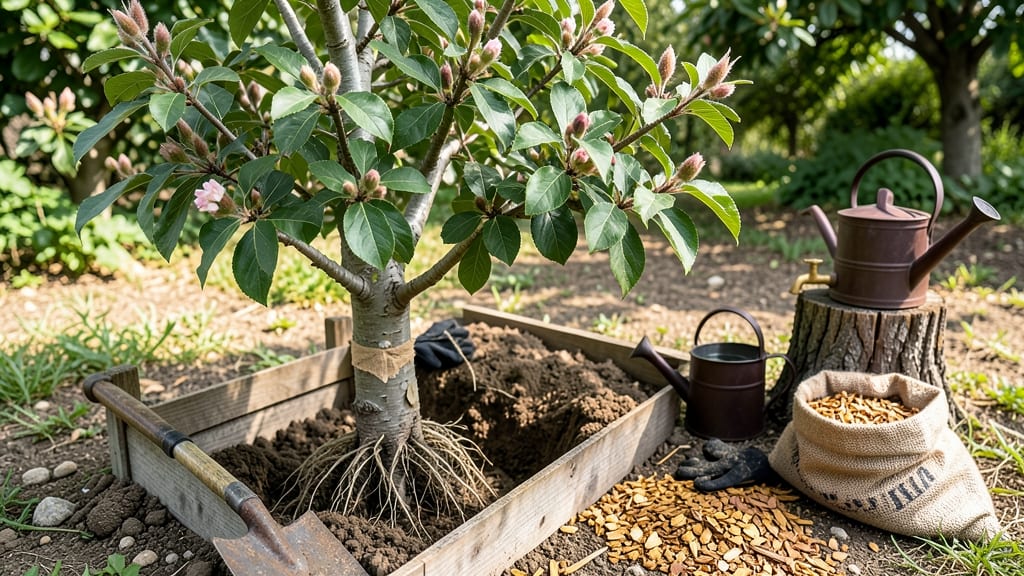
Timing the planting of your peach tree 🍑 in Virginia isn’t just about the calendar—it’s about surviving the region’s unpredictable frost patterns and chill-hour demands.
Get it wrong, and your young sapling could face a slow, painful death from late freezes or struggle to bear fruit because it didn’t get enough winter chill. But nail it, and you’ll set the stage for a bountiful harvest of juicy peaches by summer.
Most Virginia gardeners know spring is the golden window, but the exact timing depends on whether you’re in the frost-prone Piedmont or the milder Coastal Plain. Plant too early, and a surprise frost in March could turn your hopes into a sad pile of brown twigs.
Too late, and your tree might not have enough time to root before winter sets in. The key? Planting 4-6 weeks before your last expected frost date—typically between late February and early April.
In this guide, I’ll break down the exact planting windows for Virginia’s four distinct regions, including which peach varieties thrive in your chill-hour zone. You’ll also learn how to prepare your soil, choose between bare-root and container-grown trees, and protect your investment from Virginia’s infamous late-spring freezes.
Let’s get your peach tree off to the right start.
Whether you’re a first-time gardener or a seasoned pro, these insights will help you avoid common mistakes and give your 🍑 peach tree the best shot at success. Ready to dig in?
Virginia’s chill-hour zones: matching peach tree varieties to your location
Virginia’s climate ranges from USDA Zone 6a in the mountains to Zone 8a along the coast, but the real game-changer for peach trees is chill hours. These are the hours of temperatures between 32°F and 45°F that peach trees need to set fruit.
Too few chill hours, and your tree won’t produce peaches—no matter how sunny your yard is!
Most peach varieties require 300–900 chill hours, but Virginia’s regions vary wildly. For example, Northern Virginia (Zone 7a-7b) averages 600–800 chill hours, while Southside Virginia (Zone 7b-8a) often sees 400–600 chill hours.
This mismatch is why planting the wrong variety can leave you with a tree full of leaves but no fruit.
Here’s how to avoid that heartbreak: Use the Virginia Cooperative Extension’s Chill-Hour Map (or your local USDA Agricultural Research Service data) to pinpoint your exact chill-hour zone.
For instance, if you’re in Roanoke (Zone 7a), you’ll want varieties like Redhaven or Elberta, which thrive with 500–700 chill hours. In Norfolk (Zone 8a), opt for Contender or Reliance, which handle 300–500 chill hours like a champ.
Pro tip: If you’re in a low-chill zone (under 400 hours), consider low-chill varieties like Redtop or Springcrest. These are bred to fruit even with minimal winter chill, making them perfect for Tidewater Virginia or urban heat islands where frost is rare.
🌱 Virginia Peach Tree Varieties by Chill-Hour Zone
| Region | Chill-Hour Range | Best Varieties | Notes |
|---|---|---|---|
| Northern VA (Zone 7a-7b) | 600–800 | Redhaven, Elberta, Loring | Classic varieties; reliable fruit set |
| Central VA (Zone 7b) | 500–700 | Contender, Reliance, Summergrand | Balanced for moderate chill |
| Southside VA (Zone 7b-8a) | 400–600 | Redtop, Springcrest, Flordasun | Low-chill; great for warmer areas |
| Tidewater/Coastal (Zone 8a) | 300–500 | Contender, Redhaven (with frost protection) | Use frost cloth for early blooms |
One common mistake I see is gardeners planting high-chill varieties (like Redhaven) in low-chill zones (e.g., Hampton Roads). These trees might bloom beautifully in spring, but without enough chill hours, they’ll drop their flowers without setting fruit. It’s a bummer to watch!
To double-check your chill hours, use the Virginia Tech Chill-Hour Calculator or ask your local extension agent. They can also recommend disease-resistant rootstocks tailored to your soil type—another critical factor for Virginia’s humid climate.
For example, if you’re in Alexandria (Zone 7b), a Loring peach tree on Nemaguard rootstock will give you both 700+ chill hours and protection against peach leaf curl, a common fungal disease in Virginia’s wet springs.
Remember: Chill hours ≠ frost dates. A tree can get its required chill hours even if it’s not frozen solid. That’s why Northern Virginia (with colder winters) often has more chill hours than Southern Virginia, even if both regions have similar frost timings.
If you’re still unsure, start with a dwarf or semi-dwarf variety—they’re easier to manage and can be moved to a microclimate (like near a south-facing wall) to maximize chill accumulation. And always buy from a reputable nursery that specifies chill-hour requirements!
Frost-free timing: when to plant peach trees in Virginia’s 4 regions
Virginia’s diverse geography means frost dates vary dramatically from the Tidewater coast to the Blue Ridge Mountains.
In Northern Virginia (USDA Zones 6b-7a), like Fairfax or Winchester, your last frost typically arrives by March 15, while Southern Virginia (Zones 7b-8a), such as Norfolk or Richmond, sees frost-free conditions by February 28.
These differences dictate your planting window—aim for 4-6 weeks before your region’s average last frost to give roots time to establish before summer heat arrives.
For bare-root peach trees, the ideal window is late winter to early spring (February–April).
Container-grown trees offer more flexibility, allowing planting through May in milder zones like the Coastal Plain, but avoid planting after October anywhere in Virginia—your tree needs 6-8 weeks of root growth before winter dormancy sets in.
Here’s your region-specific planting timeline to avoid frost damage and maximize survival:
⚠️ Critical Warning: Late Planting Risks
Planting after May in Northern Virginia or after June 1 in Southern Virginia increases stress on young trees. Late-planted trees may not harden off properly for winter, leading to root rot or winter dieback. If you miss the spring window, wait until dormant season (November–January) for bare-root trees only.
Pro Tip: Use frost cloth if planting in March—it buys you 2-3 extra weeks of protection against late frosts.
Each Virginia region also has unique soil and microclimate quirks. The Piedmont (e.g., Charlottesville, Lynchburg) benefits from well-draining loam, while the Shenandoah Valley’s cooler nights require cold-hardy varieties like Reliction or Crimson Snow.
Test your soil’s pH (6.0–7.0 ideal) and amend with compost or peat moss if needed—peach trees hate soggy roots.
After planting, prioritize deep watering (10–15 gallons per tree) every 7–10 days until establishment. Mulch with 3–4 inches of wood chips to retain moisture and suppress weeds, but keep mulch 6 inches away from the trunk to prevent rot.
In humid Virginia summers, watch for peach leaf curl—spray with copper fungicide in late fall or early spring as a preventative measure.
Remember: Virginia’s climate is unpredictable. Even if your neighbor plants in April, a late frost could strike. When in doubt, err on the side of early planting—your peach tree’s long-term health depends on a strong root system before summer’s heat sets in.
With the right timing and care, you’ll be enjoying homegrown peaches by mid-summer!