
Plants
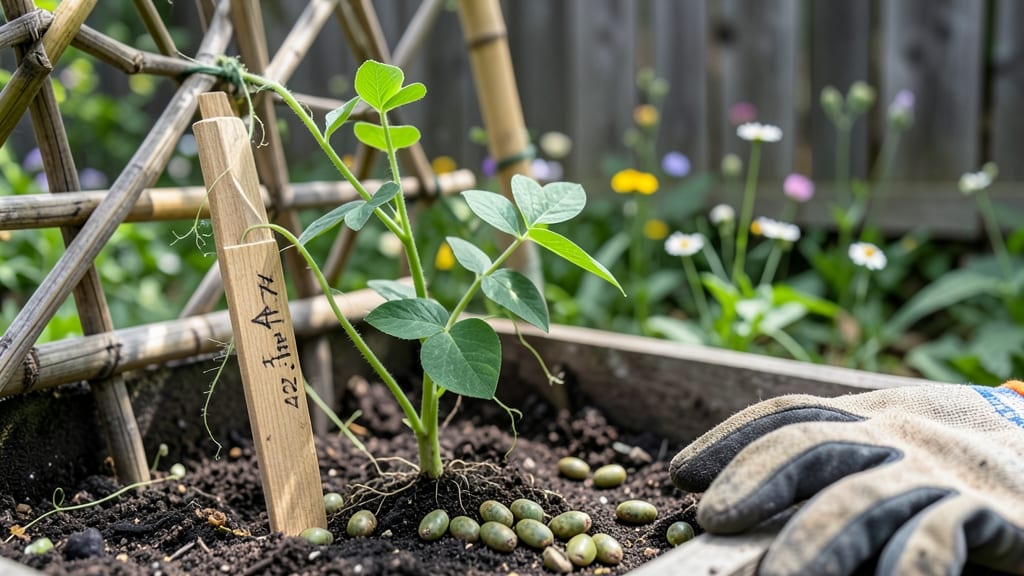
Timing your when to plant peas in Illinois just right means the difference between a thriving garden and a frustrating flop. Those crisp, sweet peas you crave won't grow if you plant too early and risk frost damage—or too late and miss the ideal window.
Illinois gardeners know the stakes are high, especially in zones 5-6, where unpredictable weather can turn a promising crop into a bust.
I’ve learned the hard way that peas are finicky about temperature, and getting the timing wrong can mean stunted vines or worse. The key is planting 2-3 weeks before your last frost date—typically by early April—but with a few smart tricks to beat the odds.
Whether you’re in Chicago’s cooler north or St. Louis’s warmer south, I’ll show you exactly how to sync your planting with Illinois’s quirky climate for a harvest that’ll make your neighbors jealous.
You’ll also discover why some gardeners swear by pre-sprouting seeds in cooler zones and how to pair peas with the perfect companions—like radishes or carrots—to keep pests at bay.
No more guessing games: just a foolproof plan to turn your garden into a pea powerhouse, no matter where you are in the state.
Let’s cut to the chase: I’ll break down the exact frost dates, soil prep secrets, and even how to stretch your harvest season with a fall crop. By the end, you’ll have a zero-failure strategy for peas that’ll have you laughing all the way to the dinner table.
Illinois pea planting calendar: frost dates and ideal months by region
Peas are one of the first vegetables you can plant in Illinois, but timing is everything. The last frost date varies dramatically across the state—from March 20 in Southern Illinois to April 20 in Northern regions like Chicago.
Planting too early risks frost damage, while waiting too long means heat stress. Let’s break it down by region to ensure your peas thrive.
Illinois spans USDA Zones 5-7, which means microclimates play a huge role. Urban areas like Chicago often experience earlier springs due to the "urban heat island" effect, while rural areas may have colder soil for longer.
For best results, aim to plant peas 2-3 weeks before your last frost date for a spring harvest, or 8-10 weeks before the first frost for a fall crop.
Here’s your frost-date cheat sheet for Illinois, tailored to three key regions:
| Region | Last Frost Date | First Frost Date | Ideal Planting Window | Harvest Window |
|---|---|---|---|---|
| Northern Illinois (Chicago) | April 15–20 | October 15–20 | March 15–April 10 (spring) / August 15–September 5 (fall) | May–June (spring) / September–October (fall) |
| Central Illinois (Springfield) | April 1–10 | October 10–15 | March 1–March 31 (spring) / August 1–August 20 (fall) | April–May (spring) / September (fall) |
| Southern Illinois (St. Louis) | March 20–April 1 | October 5–10 | February 15–March 15 (spring) / July 30–August 15 (fall) | March–April (spring) / August–September (fall) |
If you’re in Zone 5 (Northern Illinois), don’t rush to plant in March—soil temperatures need to reach 40°F (4°C) for peas to germinate. Use a soil thermometer to check.
For Zone 7 (Southern Illinois), you can even try an early February planting under row covers or in a cold frame for a head start.
For fall planting, aim to sow seeds 8-10 weeks before your first frost. In Northern Illinois, this means August 15–September 5, while Southern Illinois gardeners can push it to late August. Fall peas often produce sweeter pods because cooler temperatures reduce starch buildup.
Pro tip: Use row covers or cloches to extend your planting window by 2-3 weeks in both spring and fall. This is especially useful in Zone 5, where early springs can be unpredictable. Just remove covers when flowers appear to prevent overheating.
Microclimates matter! If you’re in an urban garden, like Chicago’s West Side, you might see earlier soil warming due to pavement and buildings. Rural areas, like those near Jo Daviess County, can stay colder longer. Observe your garden’s unique conditions for 3-5 years to refine your planting schedule.
One final rule: Never plant peas in hot soil (above 80°F/27°C). They’ll bolt or produce bitter pods. If your spring warms up quickly, opt for shade cloth or plant in partial shade until temperatures drop.
With this calendar, you’ll avoid the 5 biggest pea planting mistakes in Illinois—stay tuned for my next section on soil prep, spacing, and companion plants to maximize your yield! 🌱
How to avoid 5 common pea planting mistakes in Illinois gardens
Even with perfect timing, Illinois gardeners often sabotage their pea harvests with avoidable mistakes. The most common? Planting too deep, ignoring soil pH, or crowding seeds.
I’ve seen firsthand how these errors turn promising crops into disappointments. Let’s tackle the top five pitfalls—and how to sidestep them for a bountiful harvest.
First, planting seeds too deep is a rookie error. Peas need light to germinate, so bury them only 1 inch deep. Deeper planting leads to weak, leggy seedlings that struggle to reach the surface.
Use your finger to create shallow furrows and cover seeds lightly with soil. If you’re unsure, mark your rows with toothpicks to avoid over-burrowing.
Here’s a critical warning about soil conditions that’ll make or break your peas:
Peas thrive in 6.0–7.5 pH soil. If your garden’s pH is lower, seeds may rot before sprouting. Test your soil in early spring using a home test kit or send a sample to your local University of Illinois Extension office. Amend acidic soil with lime (apply 2–3 months before planting).
🌱 Pro Tip: Mix in composted manure or well-rotted compost to improve soil structure and fertility.
Another mistake? Overcrowding seeds in rows. Space them 1–2 inches apart with rows 18–24 inches apart to allow airflow and prevent disease. Tight spacing leads to powdery mildew and stunted vines. Thin seedlings to 2–3 inches apart once they’re 2–3 inches tall. Use sharp scissors to avoid disturbing roots.
Heat stress is the silent killer of pea plants in Illinois’s summer. If you plant too late, peas bolt (send up flowers prematurely) or develop bitter, fibrous pods. To avoid this, choose shade-tolerant varieties like ‘Green Arrow’ for hotter regions.
Alternatively, use shade cloth (30–50%) during peak afternoon sun (1–4 PM) to keep soil temps under 80°F (27°C).
Finally, ignoring companion plants invites pests like aphids and cutworms. Pair peas with radishes, carrots, or onions—these companions repel pests naturally. Avoid planting near garlic or onions, which can stunt pea growth.
For a succession harvest, sow new seeds every 2 weeks in spring and fall to extend your season.
By avoiding these five mistakes, you’ll transform your Illinois pea patch from a gamble into a guaranteed success. Next up: I’ll share the best pea varieties for your specific zone—whether you’re battling late frosts in Zone 5 or sweltering summers in Zone 7. Stay tuned! 🌱