
Plants
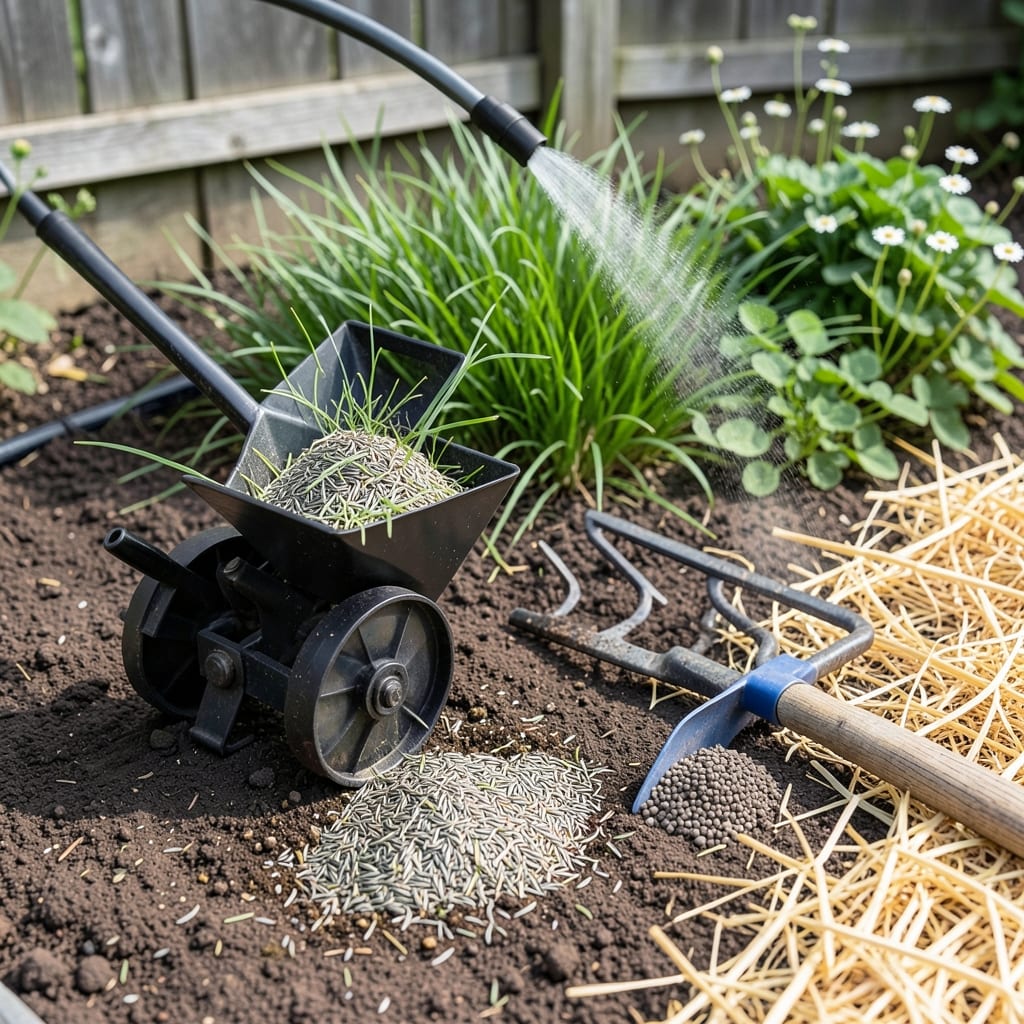
Planting grass seed in the fall is your secret weapon for a thicker, greener lawn—but get the timing wrong, and you’ll waste money on seeds that never take root. The key isn’t just when you plant; it’s understanding how your climate zone dictates the perfect window, whether you’re in chilly USDA Zone 6a or a warmer region.
Most gardeners know fall is ideal, but the exact 4-6 weeks before frost rule varies wildly depending on where you live. In cooler zones like mine, that means late September to early October, while southern climates might stretch into November. The goal? Let those seeds establish roots before winter sets in.
You’ll also want to know how to adjust for early frosts or lingering warmth—because even a single week off can mean the difference between a lush lawn and patchy disappointment. I’ll break down the best months for your specific zone and share pro tips to avoid common mistakes.
Ready to skip the guesswork? Let’s dive into the exact timing, soil prep, and seed choices that’ll give you a head start on spring. Your lawn’s transformation begins now.
Best fall planting months for grass seed by USDA climate Zone
Fall is the golden window for planting grass seed because cooler temperatures reduce stress on young seedlings while allowing roots to establish before winter. But the perfect timing depends on your USDA climate zone—plant too early, and weeds take over; too late, and frost halts germination. Let’s break down the ideal months for each zone to maximize your lawn’s success.
Most gardeners aim to plant 4-6 weeks before the first frost—this gives seeds time to germinate and develop strong roots before dormancy. For example, in Zone 5, that means late August to early October, while Zone 9 gardeners can extend planting into November. The key is balancing warmth for germination with enough daylight for root growth.
Here’s how your zone affects your planting schedule, including regional tweaks like the Pacific Northwest’s wetter climate or the Deep South’s delayed frost dates:
| USDA Zone | Ideal Planting Window | Last Safe Date | Notes |
|---|---|---|---|
| Zones 3-4 (Coldest) | Mid-August to early September | Before September 15 | Short growing season—prioritize fast-germinating varieties like Tall Fescue. |
| Zones 5-6 (Northern US) | Late August to early October | Before October 15 | Classic window for Kentucky Bluegrass and Perennial Ryegrass mixes. |
| Zones 7-8 (Transitional) | September to mid-October | Before November 1 | Warm days + cool nights—ideal for Fine Fescue blends. |
| Zones 9-10 (Warmest) | October to early November | Before November 15 | Plant warm-season grasses like Bermuda or Zoysia in late fall for spring green-up. |
If you’re in Zone 5 or colder, aim for late August to avoid early frosts. In Zones 7-9, you’ve got more flexibility—even November can work if your soil stays above 50°F (10°C). For example, Atlanta (Zone 7b) often sees success planting through October 31, while Seattle (Zone 8a) can extend to November 15 due to milder winters.
Soil temperature is your secret weapon—seeds need soil at least 55°F (13°C) to germinate. Use a soil thermometer ($10 at garden centers) to confirm readiness. In Zone 6, for instance, soil might hit 60°F in late August but drop below 50°F by mid-October, making early September the sweet spot.
Regional quirks matter too. In the Pacific Northwest, persistent cool, wet falls can delay planting until September, while the Midwest often sees earlier frosts, pushing timelines to August. Always check 3-year averages for your area—last year’s frost date might not repeat!
One common mistake? Planting too close to frost and ending up with weak, patchy grass. The 6-week rule ensures roots penetrate 4-6 inches deep before winter, so your lawn bounces back faster in spring. For example, if frost hits November 15, plant by October 1—not October 15.
For southern gardeners (Zones 9-10), fall planting is about preparing for spring. Warm-season grasses like Bermuda go dormant in winter but sprout aggressively in spring if planted in October-November. Meanwhile, cool-season grasses like Ryegrass thrive when sown in September-October for a winter-green lawn.
Don’t forget: Overseeding (adding seed to an existing lawn) follows the same rules. Whether you’re repairing bare spots or thickening thin turf, timing is everything. For example, Tall Fescue in Zone 5 should be overseeded by September 10 to avoid winter kill.
🌱
How to adjust planting dates for early frost or late warmth
Fall’s unpredictable weather can throw off even the best-laid grass seed planting plans. If you’re in a Zone 4 where frost hits early or a Zone 9 with lingering summer heat, adjusting your timeline is key. The goal? Give seeds 4-6 weeks of warm soil and cool air to establish roots before winter dormancy. Here’s how to navigate tricky conditions without sacrificing your lawn’s potential.
Start by checking your local frost dates—not just the USDA averages. Websites like the National Weather Service or local gardening forums often update 30-day forecasts with better accuracy. For example, if your first frost is October 20 but your soil stays warm until November 5, you’ve got a 4-week window—perfect for late October planting. Push it too late, and frost will kill tender seedlings before they root.
In northern climates (Zones 3-6), early frost is the bigger threat. If your area typically sees frost by October 15 but you’re still dealing with 80°F soil temps, opt for fast-germinating varieties like Tall Fescue or Perennial Ryegrass. These can establish roots in 14-21 days, buying you extra time. Pair them with a light mulch (straw, not leaves) to insulate seeds from sudden cold snaps.
For southern climates (Zones 7-11), late warmth is the enemy. If your September temps linger above 85°F, seeds may dry out before germinating. Wait until soil temps drop below 80°F—usually late September or early October—and water twice daily (morning and evening) to keep moisture levels high. Avoid planting warm-season grasses like Bermuda in fall; they’ll struggle to establish before winter.
Don’t plant too early if your soil is still hotter than 75°F—seeds will dry out before germinating. Conversely, planting too late (within 2 weeks of frost) risks stunted growth. Use a soil thermometer ($10 at garden centers) to confirm temps are 60-75°F at a 4-inch depth.
🌡️ Pro Tip: Cooler evenings (below 70°F) signal it’s time to plant, even if days stay warm.
If frost hits before seeds sprout, don’t panic. Cover newly planted areas with burlap or frost cloth to protect tender shoots. For bare spots post-frost, wait until spring—fall-planted seeds that survive winter will outcompete weeds naturally. In Zone 10+, where frost is rare, plant in late October to avoid summer heat stress, then water deeply every 3 days until roots establish.
Remember: Fall planting rewards patience. Seeds sown in September-October develop deeper roots before winter, giving you a head start on spring growth. Even if your timeline shifts, prioritize soil prep (loosen compacted areas, add compost) and consistent moisture—these steps matter more than the exact calendar date.
🌱