
Light Requirements
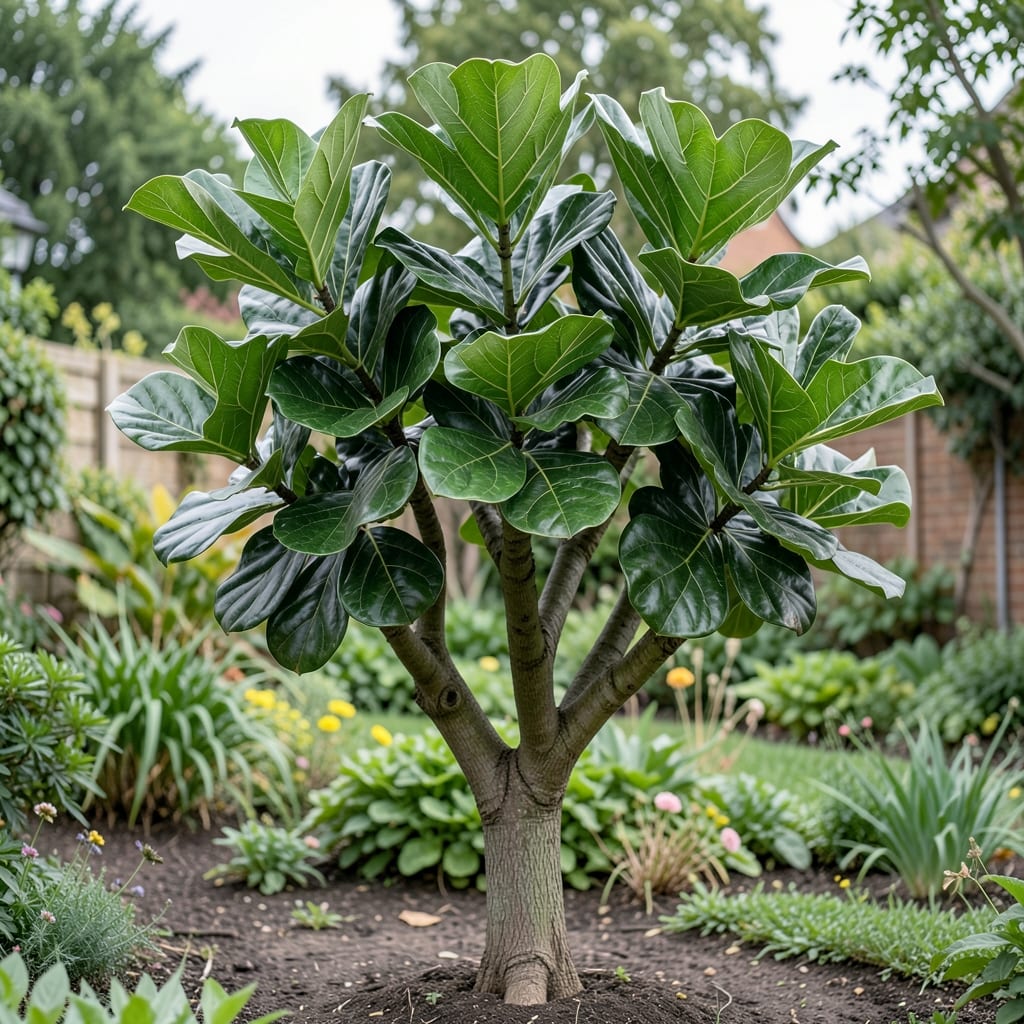
If you’re wondering how much light does a ficus plant need to thrive, the answer is simple: bright, indirect light—but not too much. If your ficus plant 🌿 is struggling—drooping leaves, yellowing patches, or just refusing to grow—light might be the culprit. Too little, and it stretches desperately for sunlight; too much, and those glossy leaves crisp like toast. The good news? Finding the sweet spot isn’t rocket science, and with a few simple tweaks, you can turn your struggling plant into a lush, thriving centerpiece.
Ficus plants are famously adaptable, but they’re not fans of harsh sunlight or dim corners. Most varieties—like the popular Ficus elastica (rubber plant) or Ficus benjamina—thrive in bright, indirect light, mimicking their natural understory habitats. That means a spot near an east- or north-facing window is ideal, where sunlight filters gently without scorching. But what if your home only has south-facing windows or fluorescent lighting?
Don’t panic—we’ll cover how to diagnose light issues (those telltale brown spots or leggy growth) and adjust your setup with curtains, sheer drapes, or even grow lights. Whether you’re a beginner or a seasoned plant parent, these tips will help you create the perfect light conditions for your ficus, no matter where you live in USDA Zone 6a or beyond.
The key is balance: too little light stunts growth, while too much causes stress. By the end of this guide, you’ll know exactly how to position your plant for success—so you can enjoy its vibrant leaves year-round without the guesswork.

Ficus light requirements: the ideal spectrum for healthy growth
Ficus plants thrive in bright, indirect light, but their exact needs vary by variety. Most common types—like the Ficus elastica (rubber plant) and Ficus benjamina—prefer 4-6 hours of filtered sunlight daily. Think of their natural habitat: dappled sunlight under tall trees, not harsh midday rays. This balance ensures photosynthesis without leaf burn, keeping those glossy leaves vibrant and healthy.
Too little light causes leggy growth and sparse foliage, while too much triggers brown leaf tips or crispy edges. The goal is to mimic their understory environment, where light is abundant but diffused. If your ficus is stretching toward the window, it’s begging for more light—but not direct sun. A sheer curtain can work wonders in bright rooms.
The color spectrum matters too. Ficus plants prefer blue-green light (6000-7000K), which mimics morning and late afternoon sun. Artificial grow lights with this spectrum can supplement natural light, especially in north-facing rooms. Avoid warm, yellow-toned bulbs—they mimic sunset, signaling the plant to slow growth.
Here’s how to spot light issues: Yellowing leaves often mean too much direct sun, while pale, sparse leaves signal insufficient light. Brown patches on leaf edges? That’s usually dry air combined with harsh light. Rotate your plant quarterly to ensure even growth, as most windows provide brighter light on one side.
Ficus plants are surprisingly adaptable—they can tolerate low to medium light if given time to adjust. However, prolonged low light leads to weak stems and fewer leaves. If your plant is in a dim corner, consider moving it closer to a window or supplementing with a 12-hour grow light daily. Even fluorescent bulbs (5000K) can help bridge the gap.
For outdoor ficus plants in USDA Zone 6a, spring and summer offer the best natural light conditions. Place them in partial shade—think 50% shade cloth—during peak afternoon sun. In winter, their light needs drop slightly, but they still appreciate a south- or west-facing window for those short daylight hours.
| Light Condition | Ideal For | Signs of Stress | Solution |
|---|---|---|---|
| Bright Indirect (4-6 hrs) | Healthy growth, vibrant leaves | None (ideal) | East/west window, sheer curtain |
| Low Light (<4 hrs) | Survival, slow growth | Leggy stems, sparse leaves | Move closer to window or add grow light |
| Direct Sun (>6 hrs) | Scorched leaves, stress | Brown patches, crispy edges | Use sheer curtain or move 3+ feet away |
| Fluorescent Light | Indoor supplement | Pale leaves, weak stems | Use 5000K bulb, 12 hrs/day |
Pro tip: Ficus benjamina is slightly more tolerant of low light than Ficus elastica, which needs brighter conditions to maintain its bold foliage. If you’re unsure, start with a medium-light spot and adjust based on leaf color and growth rate. A healthy ficus should grow 6-12 inches per year—if it’s barely growing, it’s time to reassess the light.
Remember, ficus plants communicate their needs through their leaves. Watch for subtle changes: darker green leaves mean it’s happy, while yellowing or browning is a cry for help. With the right light balance, your ficus will reward you with lush, glossy leaves that last for years—indoors or out.
Best window placements for ficus plants: room-by-room guide
Finding the right spot for your ficus plant 🌿 starts with understanding your home’s natural light sources. Most ficus varieties—like the Ficus elastica or Ficus benjamina—thrive in bright, indirect light, but not all windows are created equal. A south-facing window might feel like a tropical paradise to your plant, but it can quickly turn into a sunburn risk. Meanwhile, a north-facing window offers gentle, consistent light without the harsh afternoon rays. Let’s break down the best (and worst) window placements for your ficus, plus how to tweak each space for success.
If your home has east-facing windows, you’ve hit the jackpot for ficus care. Morning sunlight is soft and warm, perfect for encouraging lush growth without overheating. Place your plant 2-3 feet away from the glass to avoid direct rays during peak morning hours. West-facing windows, on the other hand, can be tricky—the intense afternoon sun often leads to crispy leaf edges. If this is your only option, use sheer curtains or a light-colored blind to diffuse the light while still allowing plenty of brightness.
Now, let’s talk about the north-facing window, the unsung hero of houseplants. These windows provide consistent, gentle light all day long, making them ideal for ficus plants that struggle in brighter conditions. However, if your north-facing window is especially dim (common in shaded homes), consider supplementing with a grow light for 4-6 hours daily. This mimics the natural light spectrum your ficus craves, especially during shorter winter days.
🌿 Window Placement Guide for Ficus Plants
East-Facing Window
- Pros: Soft morning light, ideal for growth
- Cons: None—perfect for most ficus varieties
- Tip: Place 2-3 feet from window
South-Facing Window
- Pros: Brightest natural light
- Cons: Risk of sunburn, leaf scorch
- Tip: Use sheer curtains or rotate plant
North-Facing Window
- Pros: Gentle, consistent light
- Cons: May be too dim for fast growth
- Tip: Supplement with grow light if needed
West-Facing Window
- Pros: Long daylight hours
- Cons: Harsh afternoon sun
- Tip: Diffuse light with blinds or curtains
What if your home lacks natural light entirely? Many modern spaces rely on fluorescent or LED lighting, which can work—but with caveats. Ficus plants need 6-8 hours of light daily, so if your room is dim, opt for a full-spectrum grow light placed 12-18 inches above the plant. Keep it on for 12-14 hours a day to mimic a natural photoperiod. Pro tip: Rotate your ficus quarter-turn weekly to ensure even growth, especially under artificial light.
For those in USDA Zone 6a or colder climates, winter can pose a challenge. Shorter days mean less light, and your ficus might start stretching toward the window in search of sunlight—a sign of etiolation. To combat this, move your plant closer to a south-facing window (if safe) or extend its light exposure with a timer-controlled grow light. This simple adjustment can prevent leggy growth and keep your ficus compact and healthy all year round.
Remember, the goal is to replicate the dappled shade of a ficus’s natural understory habitat. Whether you’re adjusting curtains, rotating your plant, or supplementing with artificial light, small tweaks can make a world of difference. With the right placement, your ficus will reward you with vibrant, glossy leaves and steady growth—no matter where you live.