
Plants
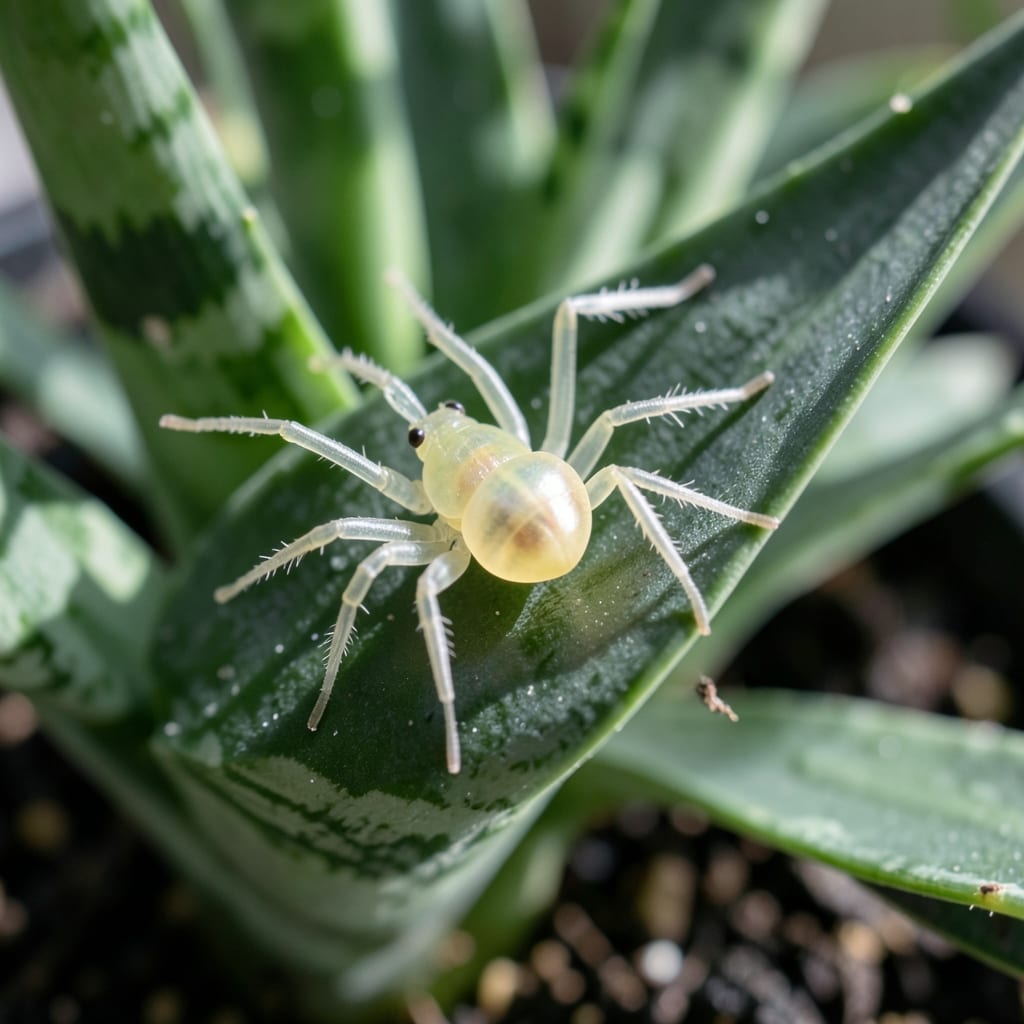
If you’ve ever watched your Snake Plant 🌿 develop crispy brown edges or stretch awkwardly toward the window, you’re not alone—light is the sneaky factor most people get wrong. The good news? This tough plant handles low light better than most, but there’s a sweet spot to avoid stress and keep it thriving.
Unlike sun-loving succulents, Snake Plants (or Sansevieria) thrive in bright indirect light, but they’ll survive in dim corners too—just with slower growth. The key is avoiding harsh afternoon rays, which can scorch leaves faster than you’d think. Let’s break down exactly how much light your plant needs to stay happy and healthy.
You’ll learn how to spot signs of over- or under-lighting, where to place your plant for optimal growth, and even how to supplement natural light if your space falls short. No more guessing—just science-backed tips to keep your Snake Plant 🌿 looking its best year-round.
Whether you’re dealing with a north-facing window or a shadowy office corner, these insights will help you create the perfect light conditions. Ready to master the art of Snake Plant care? Let’s dive in.

Ideal light requirements for snake plants: low to bright indirect sunlight explained
Snake plants (Sansevieria) are famous for their adaptability, but their light needs are often misunderstood. While they tolerate low-light conditions, they thrive best with bright indirect sunlight. This balance prevents the crispy brown edges that signal sunburn while ensuring lush, healthy growth.
The key is mimicking their natural habitat in West African savannas, where they experience dappled sunlight under trees. Too little light leads to stunted growth, while too much causes leaf scorch. Let’s break down the science and practical tips to get it right.
Photosynthesis efficiency in Sansevieria is unique—they can process CO2 at night (CAM photosynthesis), making them more drought-tolerant. However, this doesn’t mean they’ll thrive in complete darkness. Even snake plants need 2-4 hours of indirect light daily to maintain their vibrant color and tight leaf structure.
For indoor growers, the best placement is near a north-facing window or 1-3 feet from an east-facing window. South- or west-facing windows can work, but only if the plant is filtered through a sheer curtain to avoid harsh afternoon rays.
Outdoor snake plants can handle partial shade (30-50% sunlight) but avoid placing them in direct midday sun during summer, especially in hot climates like USDA Zone 8+. A morning sun exposure (2-3 hours) followed by afternoon shade is ideal.
| Light Condition | Ideal Placement | Growth Impact |
|---|---|---|
| Low Light (<2 hours/day) | North-facing window, 3+ ft away | Slow growth, pale leaves, weak stems |
| Bright Indirect (2-4 hours/day) | East/west window, 1-3 ft away | Healthy growth, vibrant color, tight leaves |
| Direct Sun (4+ hours/day) | South/west window, no filter | Brown edges, crispy tips, sunburn |
| Artificial Grow Light | 6-8 inches above plant, 12-14 hrs/day | Uniform growth, no light stress |
One common misconception is that snake plants can thrive in complete darkness. While they’re more forgiving than most plants, prolonged low light leads to etoliation—long, leggy leaves that stretch toward any available light source. This weakens the plant and makes it more susceptible to pests.
To test your snake plant’s light conditions, observe its leaf color and growth pattern over 4-6 weeks. Healthy leaves should be upright and deep green with minimal variegation loss. If you notice yellowing at the base, it’s likely getting too much water and too little light—a classic overwatering mask.
For variegated snake plants (like 'Futura Superba'), the light needs are slightly higher. These varieties require bright indirect light to maintain their striking patterns. Without enough light, the white or yellow stripes will fade to plain green, reducing their visual appeal.
Seasonal adjustments are also key. During winter months in northern climates, supplement natural light with a 12-hour photoperiod using a simple LED bulb. In summer**, move outdoor plants to partial shade to prevent heat stress, even if they’ve tolerated full sun before.
Pro tip: Rotate your snake plant quarter-turns every 2-3 weeks to ensure even light exposure. This prevents lopsided growth and helps the plant develop uniformly, especially if placed near a single light source like a window.
Signs your snake plant needs more or less light (with fixes)
Your snake plant might be silently screaming for help with its light levels. Yellowing leaves or brown tips are classic red flags—often caused by too much direct sun or not enough brightness. These signs help you diagnose the issue before it’s too late. Let’s decode what your plant is really telling you.
When your snake plant gets too little light, its leaves stretch upward in a desperate bid for sunlight. This is called etiolation, and it weakens the plant over time. The leaves may also lose their vibrant green color, turning pale or even developing a purplish tint. If you notice these changes, it’s time to move your plant closer to a window or invest in a grow light.
Too much direct sunlight causes burnt edges that look like crispy, brown patches. These areas feel dry and papery to the touch. While snake plants can handle some sun, afternoon rays (especially in summer) are often too intense. If you see this, relocate your plant to a spot with filtered light or move it a few feet away from the window.
Too Little Light
Fixes for Too Little Light
If your snake plant shows signs of too much light, like crispy brown edges, don’t panic. First, move it to a spot with indirect sunlight, such as a few feet from an east or north-facing window. Avoid placing it directly in front of a south or west-facing window, especially during peak sun hours. Sheer curtains can also help diffuse harsh rays while still providing enough brightness.
Seasonal changes can also affect your plant’s light needs. In summer months, when sunlight is more intense, your snake plant might need to be moved further away from the window or even rotated to prevent uneven exposure. During winter, when natural light is scarce, supplement with a simple LED bulb to maintain its health. Consistency is key—your plant will reward you with lush, vibrant growth.
Pro tip: Test your plant’s light conditions by observing its leaves over a few weeks. If you notice improvements (like new growth or richer colors), you’ve found the sweet spot. If not, adjust gradually—snake plants are resilient, but they still need the right balance to thrive. With these fixes, your plant will bounce back in no time! 🌿