
How To
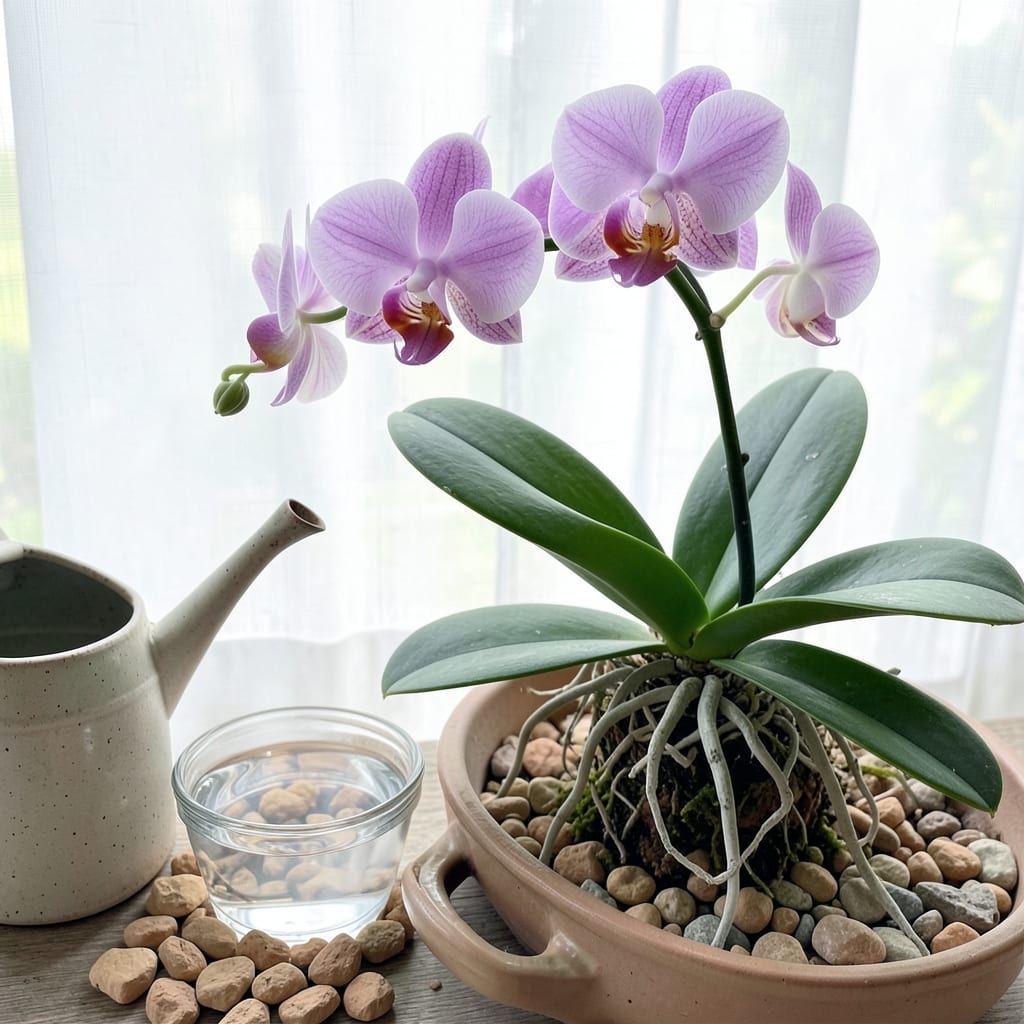
Mastering how often to water orchids in clay pebbles can feel like walking a tightrope—too much water drowns their delicate roots, while too little leaves them thirsty and stressed. The secret isn't guessing; it's understanding the unique needs of this growing medium, which drains faster than traditional orchid mixes but still demands precision.
I’ve spent years perfecting the balance, and what I’ve learned will save you from the heartbreak of root rot or wilting blooms. Whether you’re a beginner or a seasoned grower, this 5-day schedule is your game-changer. It’s not just about timing—it’s about reading your orchid’s signals and adjusting before problems start.
Clay pebbles change everything. Unlike bark or moss, they don’t hold moisture like a sponge, so your watering routine needs to adapt. You’ll discover how to check moisture levels without overdoing it, spot the early signs of trouble, and keep your 🌸 orchids thriving year-round—even in USDA Zone 6 winters.
Let’s dive into the exact steps, seasonal tweaks, and troubleshooting tips that’ll keep your orchids happy, healthy, and blooming like never before. Your plants (and your sanity) will thank you.
The 5-Day watering schedule for orchids in clay pebbles: exact timing and techniques
Orchids thriving in clay pebbles need a precise watering routine—not too much, not too little. The 5-day schedule I’ve perfected balances moisture retention with aeration, preventing both root rot and dehydration. Clay pebbles drain faster than traditional media, so timing is everything. Let’s break down the exact steps to keep your orchids happy.
First, understand that clay pebbles dry out quicker than bark or moss. This means your orchids need less frequent but deeper watering. The goal? Moisten the entire root system without leaving the pebbles soggy. I recommend the soak-and-drain method, which mimics their natural epiphytic environment. Here’s how to do it right:
Start by placing your orchid pot in a sink or tray. Pour room-temperature water over the pebbles until it drains completely from the bottom. This ensures the roots get a thorough drink without sitting in water. Repeat this process once every 5 days during spring and fall, adjusting for humidity and temperature.
Step-by-Step Watering Guide for Orchids in Clay Pebbles
One of the biggest mistakes I see is watering on a fixed schedule without checking pebble moisture. Clay pebbles can dry unevenly, especially if your orchid is near a heat source or under bright light. Always touch-test the top layer before watering—this simple habit saves orchids from both drought and rot.
For Phalaenopsis orchids (the most common type), this 5-day schedule works perfectly. However, Cattleya or Vanda orchids may need slight adjustments. Cattleyas, for example, prefer slightly drier conditions, so you might extend the schedule to 6-7 days in cooler months. Always observe your orchid’s leaves and roots—they’ll tell you what they need!
Another key factor is humidity levels. If your home is very dry (below 40% humidity), your orchids will dry out faster. In these cases, consider a pebble tray with water beneath the pot (not touching it) to increase ambient moisture. This mimics their tropical habitat without overwatering the roots.
Finally, never water orchids in clay pebbles at night. Cool evening temperatures slow evaporation, increasing the risk of fungal infections. Stick to morning watering to give the pebbles time to dry slightly before darkness sets in. This small habit makes a huge difference in preventing root rot.
With this 5-day schedule and these techniques, your orchids will thrive in clay pebbles—blooming beautifully and staying healthy for years. The secret? Consistency and observation. Your orchids will thank you with vibrant flowers and strong roots!
The 5-Day watering schedule for orchids in clay pebbles: exact timing and techniques
Orchids in clay pebbles thrive on a predictable but flexible watering routine that mimics their natural epiphytic habits. Unlike traditional potting mixes, clay pebbles drain moisture quickly, so the key is deep, infrequent watering—not frequent light sprinkles. My go-to method is the 5-day schedule, which balances hydration and aeration to prevent both root rot and dehydration.
Start by watering your orchid once every 5 days during spring and fall, when temperatures and humidity are moderate. In summer, when evaporation speeds up, reduce this to every 4 days. Winter slows everything down, so stretch it to every 7-10 days. The goal? Let the top 1-2 inches of pebbles dry out between waterings—this tells you it’s time to hydrate again.
Here’s how to execute it perfectly:
Place your orchid pot in a sink or tray filled with room-temperature water for 10-15 minutes. Let the pebbles absorb water until they’re fully saturated but not soggy.
Remove the pot and let it drain for 10-15 minutes in a saucer. Empty any excess water—stagnant water is the #1 enemy of orchid roots.
Stick your finger 1 inch into the pebbles. If it feels dry, water again. If damp, wait another day. Clay pebbles dry faster than moss or bark, so trust your touch, not a schedule.
In dry climates or during winter (when indoor air is low humidity), water every 4 days. In humid summers, stretch to every 6 days to avoid over-saturating the roots.
Spring/Fall: 5-day schedule. Summer: 4-day schedule. Winter: 7-10 day schedule. Always observe your orchid’s leaves and roots for clues.
Pro tip: Use a humidity tray under your orchid’s pot to maintain 40-70% humidity. This reduces how often you need to water, especially in dry indoor environments. I’ve found that orchids in pebbles with consistent humidity stay healthier and bloom longer.
Watch for yellowing leaves or wrinkled pseudobulbs—these are red flags. Yellowing usually means overwatering, while wrinkled bulbs signal thirst. Adjust your schedule accordingly, and don’t be afraid to skip a watering day if the pebbles still feel damp.
With this method, your orchids will develop strong, silvery-green roots and produce vibrant blooms year after year. The secret? Consistency and observation—not rigid rules. Your orchids will thank you with 🌸 stunning flowers that last for weeks!