
Trees
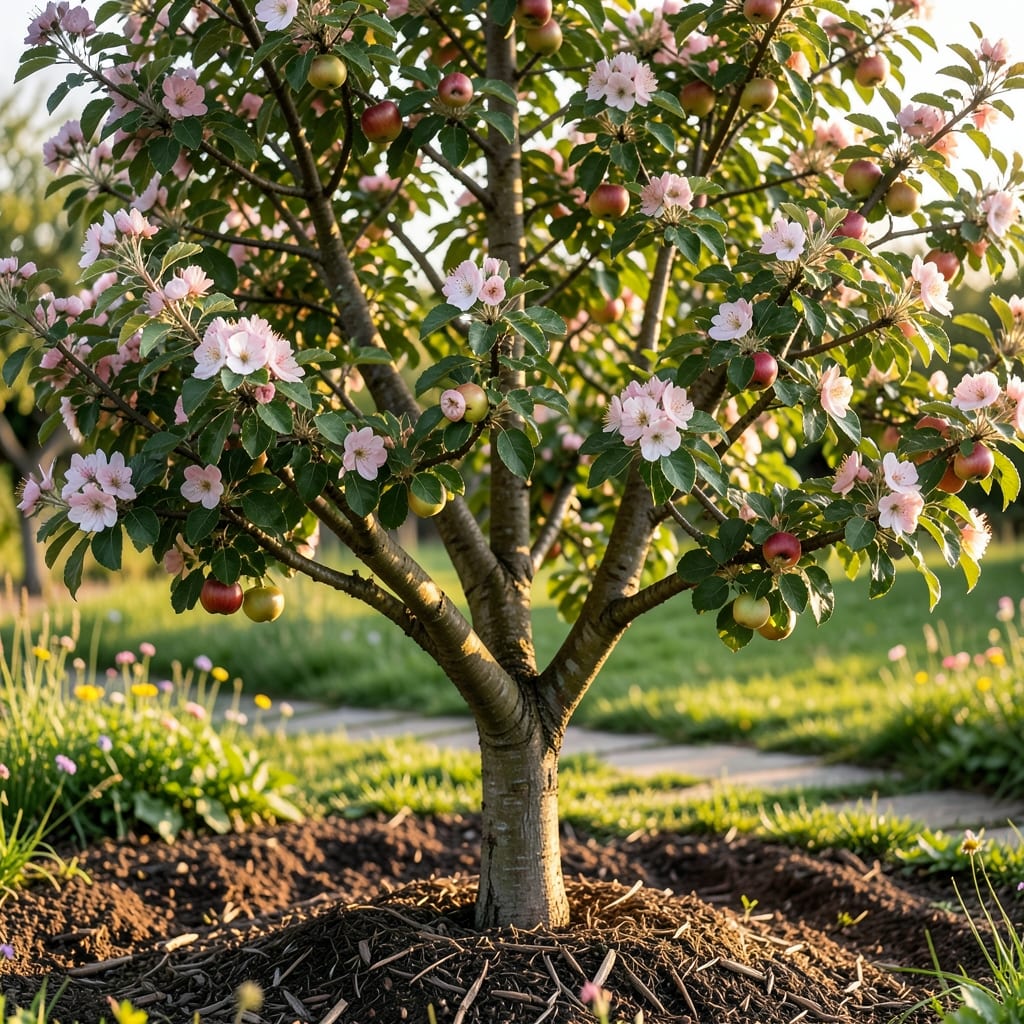
If you’ve ever dreamed of picking fresh apples straight from your backyard, you’re probably wondering how tall apple trees grow—because that decision could make or break your orchard plans. The truth is, these 🍎 giants come in all shapes and sizes, from compact dwarfs that fit snugly in suburban yards to towering standards that need acres of space.
For most gardeners, the biggest question isn’t just height—it’s how that height affects your space, maintenance, and even the flavor of your fruit. A standard apple tree can reach 20-30 feet, while a dwarf variety stays a manageable 6-10 feet, making it perfect for containers or small gardens. But choosing the right size isn’t just about aesthetics; it’s about yield, pruning needs, and long-term care.
I’ll break down everything you need to know, from the fastest-growing varieties to the spacing rules that keep your trees healthy. Whether you’re planning a backyard orchard or just curious about what’s possible in your Zone 6a climate, this guide will help you pick the perfect tree—and the perfect spot—for years of harvests.
Ready to turn your apple dreams into reality? Let’s dive into the heights, habits, and secrets of growing the ideal tree for your space.

Apple tree mature heights by variety: from dwarf to standard sizes
Apple trees come in three primary size categories—dwarf, semi-dwarf, and standard—each with distinct mature heights that dramatically impact your orchard planning. Choosing the right size depends on your space constraints and garden goals, whether you're dreaming of a backyard orchard or a full-scale commercial grove.
Dwarf varieties top out at 6-10 feet, making them ideal for small backyards or container growing. Semi-dwarf trees reach 12-16 feet, striking a balance between manageable size and higher yields. Standard trees, the traditional choice, can grow 20-30+ feet tall, dominating landscapes but requiring ample space and maintenance.
Here’s how popular apple varieties stack up in height—plus spacing tips to maximize your harvest without crowding. Whether you love crisp Granny Smith or sweet Honeycrisp, knowing these dimensions helps you plan for pruning needs and fruit accessibility.
| Variety | Size Category | Mature Height | Spacing Needs | Best For |
|---|---|---|---|---|
| Gala | Dwarf | 6-10 ft | 6x6 ft | Containers, small yards |
| Granny Smith | Semi-Dwarf | 12-16 ft | 10x10 ft | Backyard orchards |
| Honeycrisp | Standard | 20-30 ft | 20x20 ft | Rural properties |
| Fuji | Dwarf | 8-12 ft | 6x6 ft | Urban gardens |
| McIntosh | Standard | 25-35 ft | 25x25 ft | Commercial orchards |
Note: Heights vary by rootstock and growing conditions.
Dwarf varieties like 'Gala' or 'Fuji' are grafted onto dwarfing rootstock (e.g., M.9 or B.9), which restricts their growth while boosting fruit production. This makes them perfect for container growing or row planting in tight spaces. Semi-dwarfs, like 'Granny Smith', offer a middle ground—30-50% smaller than standards but still robust enough for heavy fruit loads.
Standard trees, such as 'Honeycrisp' or 'McIntosh', grow on their own roots or seedling rootstock, reaching their full genetic potential. While they require more space and pruning, they produce larger fruit and can live for decades with proper care. If you’re planting near a fence or building, always leave at least 10 feet of clearance for branches to spread.
One critical factor influencing height is pruning practices. Regular pruning—especially open-center or central leader shaping—can keep even standard trees 10-15% shorter while improving airflow and sunlight penetration. For dwarf trees, annual pruning is essential to maintain their compact form and prevent overcrowded branches, which can reduce fruit quality.
Climate also plays
Optimal spacing requirements for apple trees by height and growth habit
Apple tree height isn’t just about how tall they grow—it directly impacts how much space they need to thrive. Dwarf varieties (6–10 ft) can squeeze into tight backyards, while standard trees (20–30+ ft) require the room of a small orchard. Proper spacing ensures airflow, sunlight penetration, and easier maintenance, all of which boost fruit production and reduce disease risks.
For dwarf apple trees, aim for 6–8 feet between plants in all directions. This compact spacing works well for container growing or small urban gardens. Semi-dwarf trees (12–16 ft) need 10–12 feet of clearance to avoid overcrowding, while standard trees demand 15–20 feet apart—or more if you’re planting them in rows for commercial harvests.
| Tree Type | Mature Height | Spacing Needs | Best For |
|---|---|---|---|
| Dwarf | 6–10 ft | 6–8 ft apart | Containers, small yards |
| Semi-Dwarf | 12–16 ft | 10–12 ft apart | Home orchards, medium yards |
| Standard | 20–30+ ft | 15–20 ft apart | Rural orchards, large properties |
Spacing isn’t just about preventing roots from competing—it’s also about pruning strategies. Open-center pruning (common for dwarf trees) keeps branches spread out, while central leader pruning (for standards) encourages a single trunk. Regular pruning in late winter or early spring removes dead wood and suckers, redirecting energy to fruit production instead of excessive height growth.
If you’re short on space, consider espalier training, where trees are pruned and wired into flat planes against fences or walls. This method can reduce the footprint of a standard tree by up to 70% while maintaining productivity. Just ensure your tree gets 6–8 hours of sunlight daily—even espaliered trees need light to thrive.
For row spacing, leave at least 10–15 feet between rows to allow mowers or tractors to pass. In sloped areas, plant trees on contour lines to prevent erosion and improve water drainage. Always check your local frost dates too—taller trees may need winter protection like burlap wraps or anti-desiccant sprays in colder climates.
Remember, soil quality and watering consistency play huge roles in managing height. Well-draining, nutrient-rich soil encourages balanced growth, while deep watering once a week (15–20 gallons per young tree) prevents stress that can stunt or distort growth patterns. With the right spacing and care, even a 25-foot standard tree can fit harmoniously into your landscape—if you plan ahead!