
Size
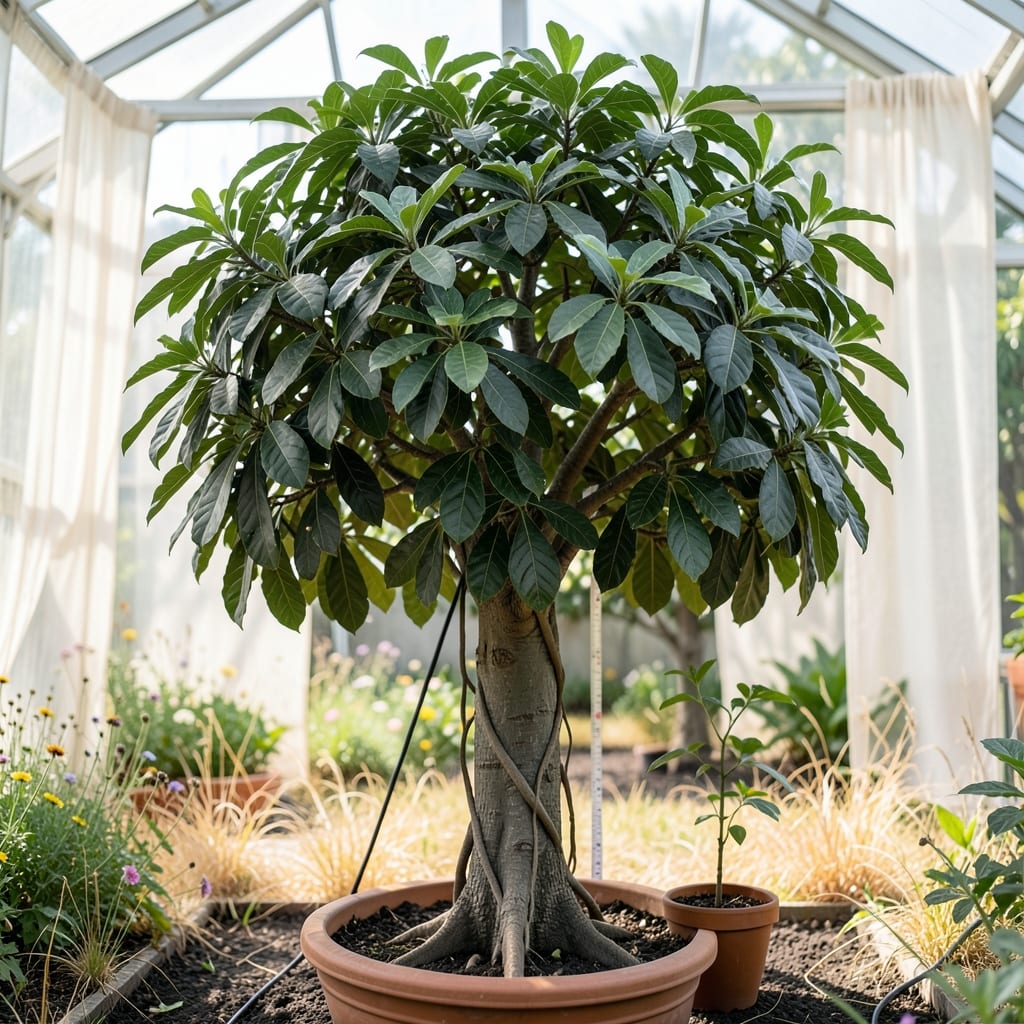
If you're dreaming of growing your own avocado tree but wondering how tall avocado trees grow, the answer might surprise you—these tropical giants can stretch from a manageable 10 feet to an impressive 80 feet tall, depending on the variety and care. Whether you're working with a dwarf 🥑 variety or a full-sized tree, understanding their growth potential helps you plan your garden space wisely.
The height of your avocado tree isn’t just about genetics—it’s also shaped by sunlight, soil, and pruning habits. In warmer climates like Zone 9b, trees thrive and reach their maximum height faster, while cooler zones like Zone 6 may slow their growth. With the right conditions, even a backyard can accommodate a thriving avocado tree, whether you opt for a compact dwarf or a towering standard variety.
Curious about how to control or encourage growth? I’ll break down the key factors—like pruning techniques and sunlight needs—that can turn a 50-foot tree into a manageable 15-foot beauty, or help it reach its full potential. Let’s explore how to grow the perfect avocado tree for your space.
From dwarf varieties that fit containers to full-sized trees that need room to stretch, this guide covers everything you need to know. Whether you're a beginner or a seasoned gardener, you’ll learn how to nurture your 🥑 tree for optimal height—and delicious fruit—without overwhelming your yard.


Mature height of avocado trees by variety: from dwarf to giant
Avocado trees are famous for their dramatic height variations—some stay small enough for containers, while others become towering backyard giants. The mature height of your avocado tree depends entirely on its variety and growing conditions. For example, the 'Wurtz' dwarf variety tops out at a manageable 10–15 feet, while the 'Fuerte' standard variety can soar to 60–80 feet in ideal climates.
If you're dreaming of a backyard avocado orchard but lack space, dwarf varieties are your best bet. These compact trees thrive in containers or small gardens and produce fruit just like their taller cousins. However, even dwarf varieties need proper pruning and sunlight to stay within their intended height range.
🌱
Avocado Tree Height Comparison
| Variety Type | Mature Height (ft) | Best For | Pruning Needs |
|---|---|---|---|
| Dwarf (e.g., 'Wurtz') | 10–15 | Containers, small yards | Minimal (annual shaping) |
| Semi-Dwarf (e.g., 'Hass') | 15–25 | Medium yards, urban gardens | Moderate (seasonal pruning) |
| Standard (e.g., 'Fuerte') | 40–80 | Large properties, rural areas | Regular (structural pruning) |
| Giant (e.g., 'Bacon') | 60–80+ | Tropical climates, orchards | Aggressive (safety pruning) |
🌳 Note: Height varies by climate and pruning—coastal areas often yield taller trees.
Standard varieties like 'Fuerte' and 'Hass' are popular choices for home gardeners in USDA zones 9–11, where they can reach their full height potential. In cooler zones (like Zone 6), these trees may stay shorter due to slower growth rates, but with proper care, they can still mature into 20–30 foot specimens over time.
Pruning plays a critical role in controlling height. For example, heading cuts (cutting back new growth) encourage bushier growth, while crown thinning (removing inner branches) allows light to penetrate and reduces overall height. If you're growing a dwarf variety in a container, pruning every 6–12 months will keep it compact and manageable.
One common misconception is that all avocado trees grow into 80-foot giants. In reality, most home gardeners grow semi-dwarf or standard varieties, which are easier to manage with regular pruning. Even these trees, however, can outgrow their space if left unchecked—so plan ahead and choose a variety that fits your yard size and sunlight.
For urban gardeners with limited space, consider the 'Mexicola' variety, a semi-dwarf that thrives in containers up to 20 gallons and matures around 15 feet. Pair it with a south-facing window or patio for optimal sunlight, and you’ll enjoy homegrown avocados without sacrificing yard space.
🪴
If you're planting multiple avocado trees, spacing is key. Standard varieties need at least 20–30 feet between trees to avoid root competition and disease. Dwarf varieties can be planted 10–15 feet apart, making them ideal for small orchards or mixed gardens. Always check your tree’s specific variety notes for precise spacing recommendations.
Remember, the soil quality and drainage also impact height. Avocado trees hate waterlogged roots, so amend heavy soil with compost or sand to improve drainage. Well-draining soil ensures steady growth without the risk of root rot, which can stunt a tree’s height and overall health.
How sunlight exposure affects avocado tree height and growth rate
Sunlight is the single most critical factor determining how tall your avocado tree grows. These tropical trees thrive in full sun (6+ hours daily), where they can reach their maximum height of 60–80 feet within 10–15 years. In partial shade (3–6 hours of sun), growth slows dramatically, often capping mature height at 20–30 feet—even for standard varieties. The difference is striking: a 'Fuerte' variety in Zone 9b with full sun may hit 70 feet, while the same tree in Zone 6 with partial shade might max out at 25 feet.
Avocado trees native to tropical climates (like Mexico and California) grow fastest in direct sunlight, where temperatures stay warm year-round. In subtropical zones (7–9), they still perform well but may experience winter dormancy, which temporarily halts height growth. Cooler zones (Zone 6) force trees into dormancy during winter months, slowing overall growth and keeping mature heights under 30 feet unless you provide greenhouse protection.
💡
Sunlight Impact on Avocado Tree Growth
🌳 Note: Growth rate halves in partial shade; fruit production drops by 40–60%.
In USDA Zone 9b (optimal for avocados), trees grow 3–5 feet per year in full sun, while in Zone 6, the same tree might only gain 1–2 feet annually due to cooler summers. For example, a 'Hass' avocado in Southern California can reach 50 feet in 8 years, whereas one in Chicago (with winter protection) may take 12+ years to hit 25 feet. The key is to mimic tropical conditions—plant in south-facing locations, use windbreaks in coastal areas, and avoid late-season frosts that damage new growth.
Even in full sun, avocado trees need balanced care to avoid overgrowth. Without proper pruning and watering, a 'Fuerte' variety can become unmanageable quickly. I recommend annual pruning to remove suckers (sprouts at the base) and crossing branches, which helps maintain a desired shape while allowing sunlight to reach the canopy's inner leaves. This practice keeps your tree healthier and more compact, even in ideal sunlight conditions.
For container-grown avocados, sunlight exposure becomes even more critical. Dwarf varieties like 'Wurtz' need at least 6 hours of direct sun daily to avoid leggy growth (long, weak stems). Place your container on a south-facing patio or balcony, and rotate it weekly to ensure even sunlight distribution. Without sufficient light, even dwarf trees can grow taller and weaker, with fewer leaves and less fruit. A simple trick? Use a reflective surface (like a white wall) behind the container to bounce extra light onto the tree.
🌿
If you're in a cooler climate (Zone 7–8), consider seasonal adjustments to maximize growth. During summer months, extend daylight with grow lights if natural sunlight drops below 6 hours. In winter, move potted trees to a sunroom or greenhouse to prevent dormancy-related stunting. These small tweaks can double your tree's annual height gain, especially in transitional zones where sunlight varies by season.
One final tip: Monitor leaf color—healthy avocado leaves are deep green and glossy. Yellowing or purpling leaves signal sunburn (too much direct sun) or nutrient deficiency (too little sun). Adjust your tree's position gradually (over 2–3 weeks) to avoid shock, and always water deeply after moving it to a sunnier spot. With the right balance, your avocado tree will grow taller, stronger, and more productive—no matter your climate.