
Trees
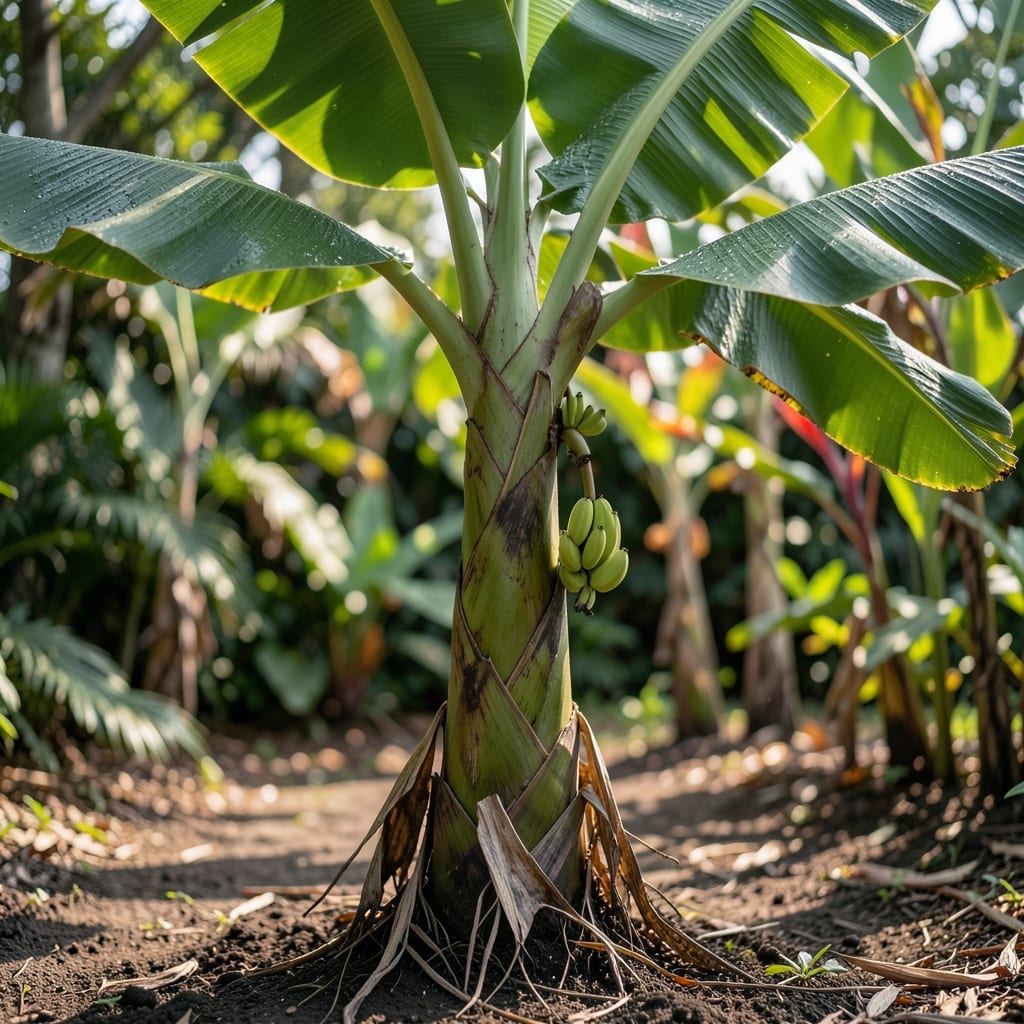
Wondering how tall banana trees grow? You might be surprised to learn that some varieties can reach heights of 25 feet or more—taller than a two-story house—while others stay compact enough for containers. The 🍌 banana tree you choose plays a huge role in its final height, but so does your climate and care routine.
If you're dreaming of a lush tropical garden or just want fresh bananas at home, understanding these growth patterns is key. Some dwarf varieties top out at just 8–12 feet, making them perfect for small spaces, while standard types can soar to 30 feet in ideal conditions. The right variety paired with proper care can mean the difference between a manageable plant and a towering giant.
In this guide, I’ll break down the height progression of different banana tree types—from year-one sprouts to mature giants—and share the secrets to encouraging (or controlling) their growth. Whether you're in USDA zones 10–12 or experimenting with cold-hardy varieties, you’ll learn how to give your banana tree the best shot at reaching its full potential.
Let’s dive into the fascinating world of banana tree heights and discover which variety—and care routine—will work best for your space and climate.

Banana tree height by variety: from dwarf to giant types
When it comes to banana tree height, the variety you choose makes all the difference. Some types stay as short as 8 feet, perfect for containers or small gardens, while others can reach 30 feet or taller—like skyscrapers in your backyard. The key is understanding each variety’s growth habits, including how quickly they grow and how wide their leaves spread.
For example, the Dwarf Cavendish, a popular choice for home growers, typically matures at 10–12 feet and produces fruit in as little as 9–12 months. Meanwhile, the Red Dacca, known for its striking red fruit, can soar to 20–25 feet and takes longer to bear fruit. Your choice depends on your space, climate, and patience for harvests.
Below, I’ve compared the most common banana tree varieties by their mature heights, leaf span, and fruit production timelines. This will help you visualize which type fits your garden best—whether you’re dreaming of a towering tropical centerpiece or a manageable container plant.
The Dwarf Cavendish and Lady Finger varieties are ideal if you’re working with limited space or want to grow bananas in containers. Their compact size makes them low-maintenance and perfect for urban gardens. On the other hand, varieties like Red Dacca and Gros Michel are better suited for larger properties or tropical climates where their towering heights won’t be a problem.
One thing to note is that banana trees grow very quickly in the right conditions. In their first year, you can expect a 3–6 foot sprout, and by year two, they’ll often double in height. However, their growth slows as they mature, focusing more on leaf production and fruit development. If you’re growing a dwarf variety, you might see fruit as early as 9 months, while larger types can take 2–3 years to bear fruit.
For a visual reference, imagine a Lady Finger banana tree reaching the height of a standard basketball hoop (around 10 feet). Meanwhile, a Red Dacca can tower over a two-story house, with leaves that spread wider than a car’s length. This dramatic difference is why choosing the right variety is the first step in controlling your banana tree’s height.
Pro tip: If you’re unsure which variety to pick, start with a Dwarf Cavendish. It’s forgiving, productive, and adaptable to different climates, making it a great choice for beginners. Once you’ve gained experience, you can experiment with taller varieties for a more dramatic garden statement.
Next, we’ll explore how your climate zone plays a critical role in determining how tall your banana tree can grow—and which varieties thrive where. Some types are surprisingly cold-hardy, while others need year-round warmth to reach their full potential.
Banana tree height by variety: from dwarf to giant types
When it comes to banana tree height, the variety you choose makes all the difference. Some types stay under 10 feet, perfect for patios, while others shoot up to 30 feet—like a tropical skyscraper. Understanding these differences helps you pick the right plant for your space and climate.
The Dwarf Cavendish, a popular choice for home gardens, typically reaches 8–12 feet at maturity. Its compact size makes it ideal for containers or small yards. Meanwhile, the Lady Finger variety grows to 10–12 feet but produces smaller, sweeter bananas perfect for personal use.
| Variety | Mature Height | Growth Rate | Best For |
|---|---|---|---|
| Dwarf Cavendish | 8–12 ft | Moderate (3–6 ft/year) | Containers, small gardens |
| Lady Finger | 10–12 ft | Fast (4–8 ft/year) | Home fruit production |
| Red Dacca | 15–20 ft | Slow (2–5 ft/year) | Large gardens, tropical climates |
| Musa acuminata (Wild) | 20–30 ft | Very fast (5–10 ft/year) | Tropical landscapes, large estates |
For those with more space, the Red Dacca variety grows to 15–20 feet and produces striking red bananas. It’s slower-growing but thrives in warm climates. If you’re after the tallest banana trees, wild varieties like Musa acuminata can reach 20–30 feet—ideal for tropical landscapes or large properties.
Even the height progression varies by variety. Dwarf types may take 2–3 years to reach maturity, while taller varieties can grow 5–10 feet per year under ideal conditions. This means your year-one banana tree might only be 3–6 feet tall, but with proper care, it could double in height by year two.
Choosing the right variety isn’t just about height—it’s also about fruit size, flavor, and yield. For example, the Lady Finger produces smaller but sweeter bananas, while larger varieties like Red Dacca yield bigger fruit but require more space. Consider your garden layout and climate before selecting a type.
Once you’ve picked your variety, the next step is ensuring it thrives in your climate zone. Some types handle cooler temps better than others, and seasonal changes can drastically affect growth patterns. Let’s explore how your local climate impacts banana tree height in the next section.