
Trees
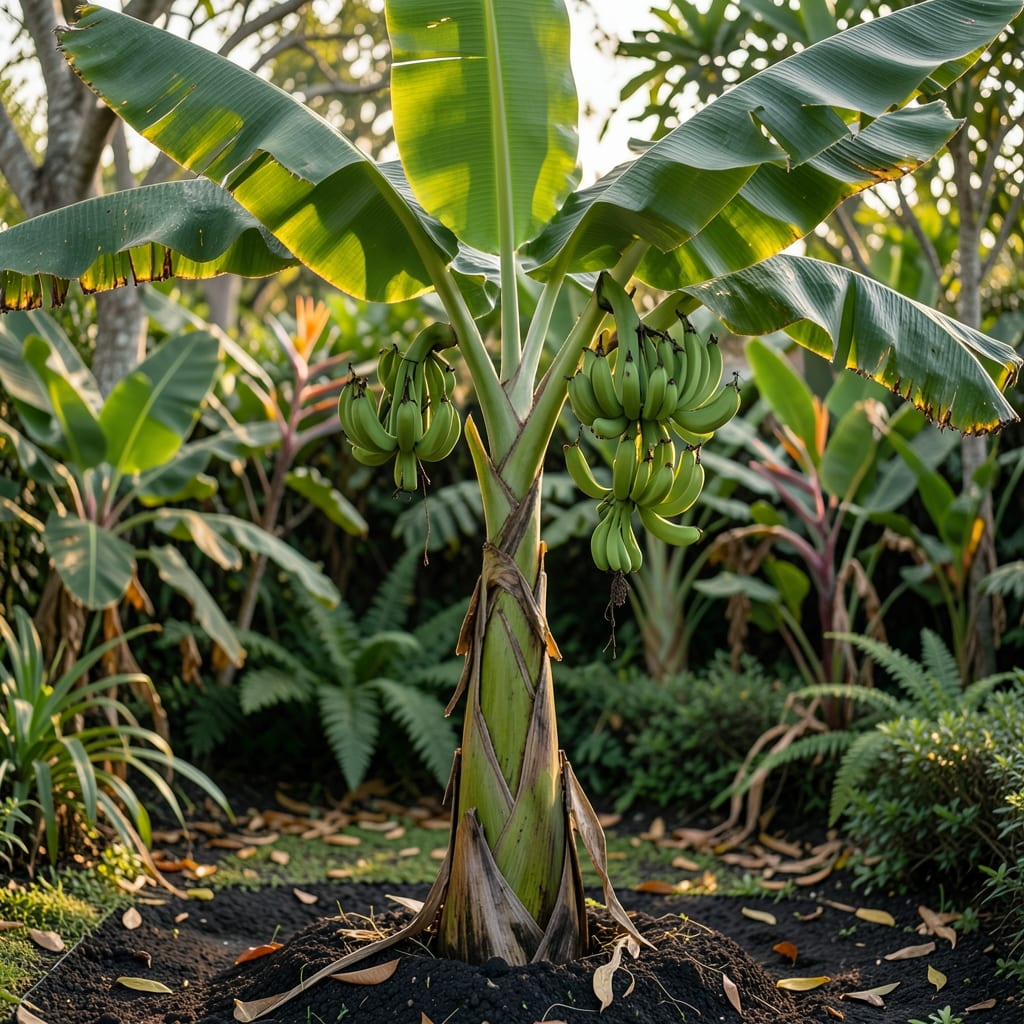
If you’ve ever dreamed of growing a tropical giant in your backyard, the answer to "how tall can a banana tree grow" might surprise you—some varieties stretch toward the sky like jungle skyscrapers, while others stay cozy enough for patio pots. The difference comes down to one key factor: the banana variety you choose.
Picture this: a Dwarf Cavendish standing just 3–6 feet tall, perfect for containers, while a Lady Finger or Gros Michel can shoot up to 20–30 feet—taller than most two-story houses! Whether you’re working with limited space or a sprawling garden, knowing these height ranges helps you pick the right plant for your vision.
But here’s the catch: climate, sunlight, and care play a huge role in how tall your banana tree becomes. A tropical variety might thrive in Florida’s heat but struggle in cooler zones unless you take extra steps. I’ll break down the best varieties for your space, plus pro tips to keep even the tallest types manageable.
Ready to turn your yard into a mini jungle—or just add a trendy houseplant? Let’s dive into the varieties, growth secrets, and small-space solutions that’ll help you grow the perfect banana tree, no matter your space.

Banana tree height by variety: from dwarf to giant species
If you're dreaming of a tropical backyard giant or a compact container plant, banana trees deliver both. The mature height of a banana tree varies wildly—from 3-foot dwarfs to 30-foot jungle monsters. The key? Choosing the right variety for your space. Let’s break down the height ranges so you can pick the perfect fit for your garden.
Most banana trees fall into three height categories: dwarf (3-6 ft), medium (10-15 ft), and giant (20-30 ft). The Dwarf Cavendish, a popular choice for home gardens, tops out at 10-12 feet, while the Lady Finger variety stays under 6 feet. On the other end, the Gros Michel can reach 25 feet or taller in ideal conditions.
Here’s the game-changer: height isn’t just about space—it’s also tied to growth speed, climate needs, and even fruit productivity. For example, dwarf varieties produce smaller but sweeter fruit faster, while giant types yield larger bunches but take years to mature. Your choice depends on whether you prioritize quick harvests or tropical drama.
🌱
🌱 Banana Tree Height by Variety
| Variety | Mature Height | Growth Speed | Best For |
|---|---|---|---|
| Lady Finger | 3–6 ft | Fast (1–2 years) | Containers, small gardens |
| Dwarf Cavendish | 10–12 ft | Moderate (2–3 years) | Backyards, urban gardens |
| Red Dacca | 12–15 ft | Slow (3+ years) | Tropical climates |
| Gros Michel | 20–30 ft | Very slow (5+ years) | Large properties, tropical farms |
| Ice Cream Banana | 6–8 ft | Fast (1 year) | Containers, patios |
| Bluggoe | 15–20 ft | Moderate (3 years) | Rural gardens, warm climates |
Climate plays a huge role in how tall your banana tree grows. In tropical zones (USDA 10-12), giant varieties like Gros Michel thrive and reach their full 20-30 ft potential. But in cooler regions (USDA 8-9), even dwarf types may struggle to exceed 6-8 feet without winter protection. For example, my Dwarf Cavendish in Zone 9 hits 8 feet but needs a thick mulch layer to survive winters.
Soil quality also impacts height. Banana trees crave well-draining, nutrient-rich soil with a pH of 5.5-7.0. Poor soil? Expect stunted growth and smaller leaves. Amend your soil with compost and organic matter to encourage healthier, taller growth. I once saw a Lady Finger in clay-heavy soil max out at 4 feet—half its potential!
Light is another critical factor. Banana trees need 6+ hours
Banana tree height by variety: from dwarf to giant species
If you’ve ever wondered how tall a banana tree can grow, the answer depends entirely on the variety you choose. Some banana trees stay compact enough for containers, while others reach the height of a two-story building. The Dwarf Cavendish, for example, tops out at just 3–6 feet, making it perfect for patios or small gardens. Meanwhile, the Lady Finger variety can soar to 15–20 feet, and the towering Gros Michel can even hit 30 feet in ideal conditions.
Understanding these height differences helps you plan your garden layout. A 10-foot banana tree like the Red Dacca adds dramatic height to a backyard, while a 5-foot dwarf variety fits neatly on a balcony. Climate also plays a role—tropical varieties grow taller in warm, humid regions but may stay shorter in cooler climates. Let’s break down the most popular varieties and their mature heights.
🌱
| Variety | Mature Height | Growth Habit | Ideal Climate |
|---|---|---|---|
| Dwarf Cavendish | 3–6 ft | Compact, bushy | Tropical to subtropical |
| Lady Finger | 10–15 ft | Tall, slender | Warm year-round |
| Red Dacca | 15–20 ft | Fast-growing, upright | Tropical |
| Gros Michel | 20–30 ft | Massive, broad-leafed | Hot, humid |
| Bluggoe | 12–18 ft | Medium, sturdy | Subtropical |
For container gardening, stick to dwarf varieties like the Dwarf Cavendish or Ice Cream Banana, which stay under 6 feet. These thrive in 15-gallon pots with proper drainage. If you’re planting outdoors, consider the Lady Finger or Red Dacca for a striking focal point. Just remember: taller varieties need 6+ hours of sunlight and well-draining soil to reach their full potential.
One common misconception is that all banana trees grow into giants. In reality, many varieties are bred for compact growth, making them ideal for urban gardens or even indoor growing with grow lights. The key is choosing the right variety for your space and climate. If you’re in a cooler region, opt for semi-dwarf types like Bluggoe, which tolerate slight temperature drops better than tropical giants.
If you’re planning a tropical-themed garden, a mix of heights creates visual interest. Pair a 10-foot Lady Finger with 3-foot dwarf bananas and other tropical plants like bird-of-paradise or palm trees. Just ensure each plant has enough space to grow without competing for nutrients. With the right variety, you can enjoy banana trees of any size—whether you want a backyard jungle or a patio-friendly shrub.
🌿