
Trees
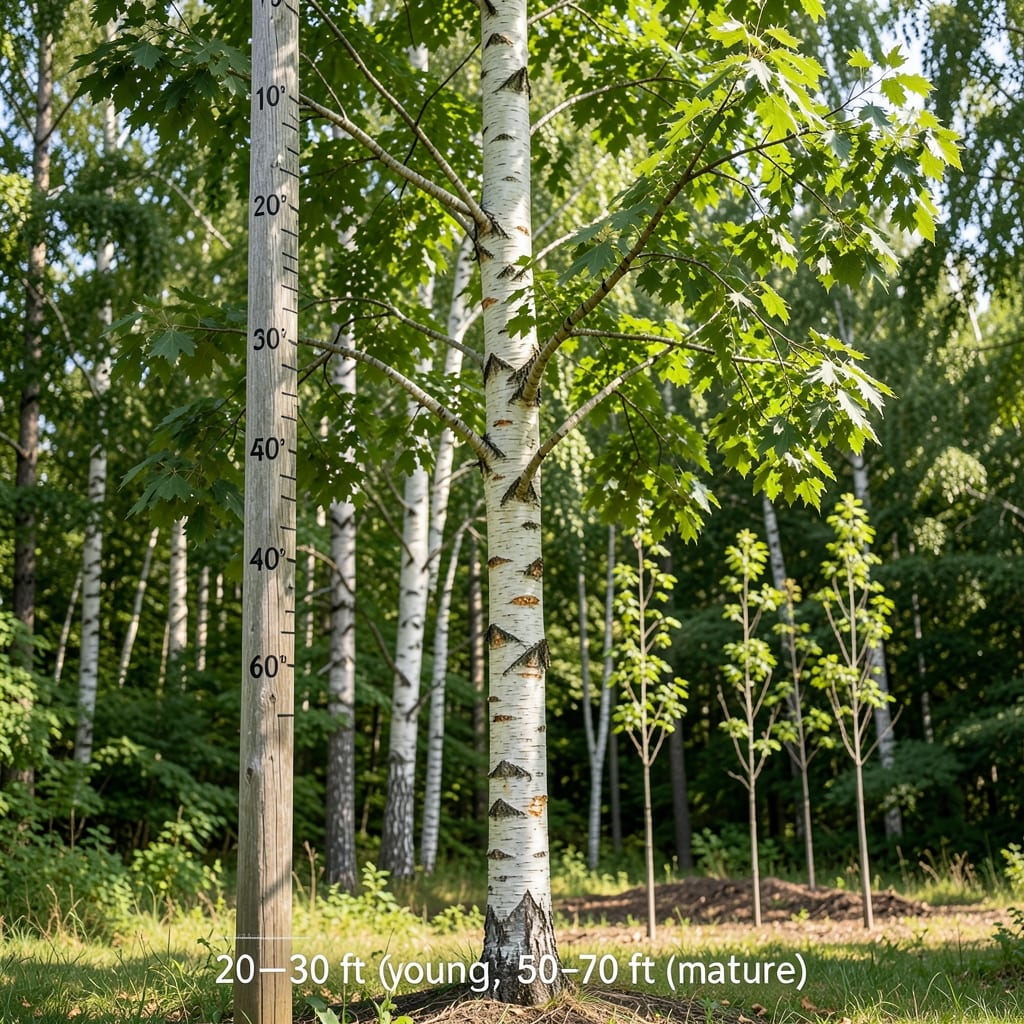
Curious about how tall can a birch tree grow in your backyard? The answer might just redefine your landscape dreams—some varieties shoot up like skyscrapers, while others stay compact enough for cozy yards. Whether you're planning a towering 🌳 statement piece or a low-maintenance accent, understanding these differences is key to making the right choice.
Birch trees are famous for their elegant bark and graceful branches, but their height potential varies wildly depending on the species. From the towering Paper Birch that can reach 75 feet to the more manageable dwarf varieties that top out at 25 feet, your options are as diverse as your garden space. Let’s break down what this means for your planting plans.
What you might not realize is that where you live plays a huge role in how tall your birch tree will grow. Climate, soil quality, and sunlight exposure all influence whether your tree becomes a gentle giant or stays on the shorter side. I’ll share the secrets to maximizing—or controlling—its height based on your specific growing conditions.
Ready to make an informed decision? You’ll discover which birch varieties thrive in USDA Zone 6a, how to space them properly, and even how pruning can shape their future growth. Let’s get started on turning your yard into the perfect birch tree haven!

Birch tree height by species: from dwarf to towering giants
Birch trees are famous for their striking white bark and graceful branches, but their height can vary dramatically depending on the species. Some varieties reach sky-high heights of 70+ feet, while others stay compact enough for small gardens. Understanding these differences helps you choose the perfect birch tree for your space and climate.
For example, the Paper Birch (Betula papyrifera) often grows 50-75 feet tall, making it a stunning centerpiece for large properties. Meanwhile, the Dwarf Birch (Betula pendula 'Fastigiata') tops out at just 15-25 feet, perfect for urban yards or container gardens. Let’s explore the full range of birch tree heights so you can pick the right variety for your landscape.
🌳 Pro Tip: Always check your local USDA hardiness zone when selecting a birch tree, as some species thrive in colder climates (like Zone 2) while others prefer milder regions (Zone 5+).
The Paper Birch and Yellow Birch are the tallest birch species, often reaching 70+ feet in ideal conditions. These giants need plenty of space and thrive in full sun to partial shade with well-draining soil. If you’re working with limited space, consider the Dwarf Birch or Heritage Birch, which stay under 30 feet and are perfect for smaller properties or container gardening.
For a fast-growing option, the River Birch is an excellent choice, reaching 40-70 feet in as little as 20 years. Its peeling bark adds visual interest, and it’s highly adaptable to wet soils, making it ideal for rain gardens or near ponds. Meanwhile, the Weeping Birch offers a dramatic, cascading form that’s perfect for adding elegance to larger landscapes.
When selecting a birch tree, also consider its growth rate. Some varieties, like the Gray Birch, grow quickly but may have a shorter lifespan compared to slower-growing species like the Yellow Birch. Always match the tree’s mature height to your available space to avoid future pruning headaches or root competition with other plants.
🌿 Climate Note: Birch trees are hardy in USDA Zones 2-7, but some varieties (like the Paper Birch) tolerate colder climates better than others. Always check the specific zone requirements for your chosen species before planting.
If you’re planning a birch tree windbreak, aim for taller varieties like the Yellow Birch or Paper Birch, spaced 20-30 feet apart for optimal wind protection. For a privacy screen, the Heritage Birch or Dwarf Birch planted in a row will provide a dense, attractive barrier without overwhelming your yard.
🪴 Garden Hack: Pair taller birch trees with understory plants like ferns, hostas, or wildflowers to create a layered, natural-looking garden. This not only maximizes space but also supports local wildlife by providing diverse habitats.
What determines a birch tree’s height: 5 critical growth factors
Have you ever noticed how some birch trees in your neighborhood seem to reach for the sky while others stay modest in size? The difference often comes down to five key growth factors that influence how tall your birch tree will become. Understanding these factors lets you optimize conditions for a towering specimen—or keep it compact if space is limited.
First, soil quality plays a massive role in height potential. Birch trees thrive in well-draining, slightly acidic soil with a pH between 4.5 and 7.5. Compacted or waterlogged soil stunts root growth, limiting how much your tree can reach upward. I always recommend amending clay soils with compost or sand to improve drainage and aeration.
Next, sunlight exposure directly impacts growth rate. Most birch varieties need full sun (6+ hours daily) to maximize height, though some like the Yellow Birch tolerate partial shade. In shady conditions, expect 20-30% slower growth and shorter mature heights. If you’re planting in a shaded area, choose dwarf varieties like 'Fastigiata' to avoid disappointment.
- 🌿 Soil Quality: Well-draining, slightly acidic soil (pH 4.5-7.5) boosts root growth and height potential.
- ☀️ Sunlight: Full sun (6+ hours) maximizes growth; partial shade reduces height by 20-30%.
- 💧 Water Needs: Consistent moisture (1-2 inches/week) fuels rapid growth; drought stress stunts height.
- ✂️ Pruning: Strategic pruning in late winter/early spring can encourage taller growth or maintain compact shapes.
- 🌡️ Climate: Colder climates (Zones 2-4) slow growth; warmer zones (5-7) allow faster height gains.
Watering habits also determine how quickly your birch tree grows. These trees need consistent moisture—about 1-2 inches per week—especially during their first 3 years when roots establish. Underwatering causes stress that limits height, while overwatering can lead to root rot. I’ve found that deep watering 2-3 times per week in dry spells keeps my birch trees thriving.
Don’t overlook the power of pruning to influence height. Pruning at the right time—late winter or early spring—can encourage taller growth by removing competing branches. However, avoid heavy pruning in summer or fall, as this can stunt new growth. For dwarf varieties, regular pruning helps maintain their compact form, while taller species benefit from selective pruning to shape their canopy.
Finally, your local climate sets the baseline for growth potential. Birch trees in colder climates (Zones 2-4) grow more slowly due to shorter growing seasons, while those in warmer zones (5-7) can reach their mature height faster. For example, a Paper Birch in Zone 3 might take 30 years to reach 50 feet, while the same tree in Zone 6 could hit that height in 20 years.
🌳 Growth Hack: To maximize height, plant your birch tree in well-draining soil with full sun exposure, water consistently, and avoid pruning in late summer. For compact growth, choose dwarf varieties and prune regularly to control height.