
Size
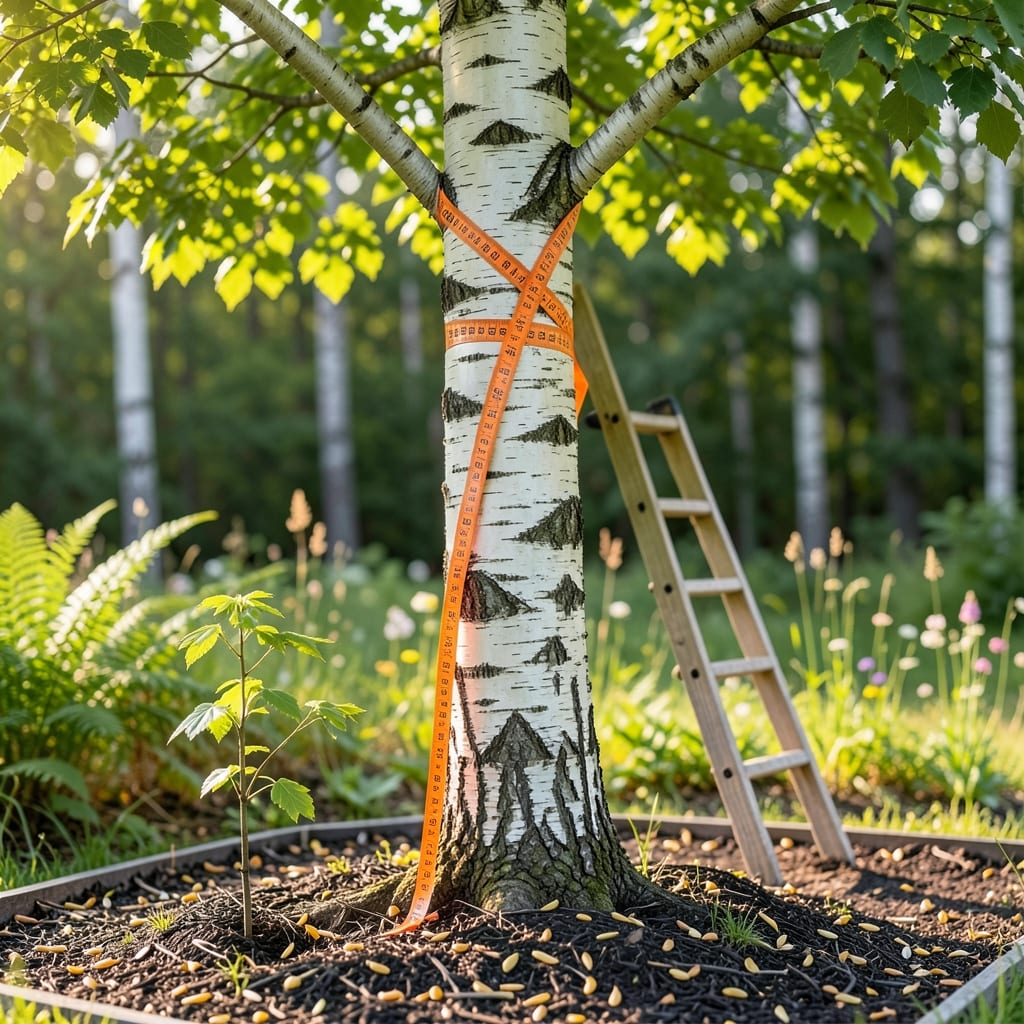
Ever wondered how tall your birch tree could grow if you planted one today? The answer might surprise you—some varieties stretch toward the sky like 70-foot giants, while others stay manageable at 30 feet. The difference comes down to species, care, and a little patience.
If you're envisioning a 🌳 birch tree in your landscape, knowing its potential height is the first step to planning. Whether you're in USDA Zone 6a or beyond, the right variety can transform your yard into a serene woodland retreat—or create a towering focal point. Let’s explore which birch trees will reach for the clouds and which will stay grounded.
Growth isn’t just about genetics—soil, sunlight, and pruning play huge roles in shaping your tree’s future. With the right conditions, even a compact birch can surprise you. I’ll break down the tallest and shortest species, plus tips to steer their growth in the direction you want.
Ready to turn your yard into a birch forest? Discover how to nurture these elegant trees—and whether they’ll grow tall enough to shade your whole backyard.


Birch tree height by species: tallest vs shortest varieties compared
Birch trees are nature's skyscrapers, with some species reaching heights that rival city buildings. But not all birches grow equally—while the Paper Birch can soar to 70+ feet, others like the Dwarf Birch stay under 25 feet. Choosing the right species depends on your yard size and vision. Let's explore the tallest and shortest birch varieties to help you decide which will thrive in your landscape.
Understanding these height differences is crucial because birch trees grow rapidly in their first decade, often gaining 3-6 feet per year under ideal conditions. This means a 20-foot sapling could become a 50-foot giant in just 10 years. Let's compare the most popular varieties so you can plan accordingly.
🌳 Visual Growth Comparison: Imagine a Paper Birch standing next to a River Birch—the Paper Birch would tower over most homes, while the River Birch might just peek over a second-story window. This dramatic difference is why species selection matters more than you might think.
| Species | Mature Height | Growth Rate | Best For |
|---|---|---|---|
| Paper Birch (Betula papyrifera) | 50-75 ft | 3-6 ft/year | Large properties, focal points |
| Yellow Birch (Betula alleghaniensis) | 60-80 ft | 2-5 ft/year | Woodland gardens, shade trees |
| River Birch (Betula nigra) | 30-40 ft | 2-4 ft/year | Swampy areas, medium yards |
| White Birch (Betula pendula) | 40-50 ft | 3-5 ft/year | European gardens, small forests |
| Dwarf Birch (Betula pumila) | 15-25 ft | 1-2 ft/year | Small yards, bonsai, containers |
| Gray Birch (Betula populifolia) | 20-30 ft | 2-3 ft/year | Wildflower gardens, wildlife habitats |
| Sweet Birch (Betula lenta) | 50-70 ft | 2-4 ft/year | Forest edges, large landscapes |
| Heritage Birch (Betula jacquemontii) | 30-40 ft | 1-3 ft/year | Urban landscapes, small spaces |
| Cherokee Birch (Betula alleghaniensis 'Cherokee') | 20-30 ft | 1-2 ft/year | Small yards, patios |
| Fox Birch (Betula nigra 'Fox Trot') | 25-35 ft | 2-3 ft/year | Medium yards, wildlife gardens |
🌱 Note: Heights vary by climate and growing conditions. Coastal areas may see slower growth.
When selecting a birch tree, consider not just height but also spread and canopy size. A Paper Birch might reach 75 feet tall but only 30-40 feet wide, while a River Birch could spread 40-50 feet wide at 30-40 feet tall. This means placement matters—planting near power lines or structures could lead to costly pruning or removal later.
For small yards, dwarf varieties like the Dwarf Birch or Cherokee Birch are perfect, offering all the beauty with minimal space requirements. These stay under 25 feet and can even thrive in large containers for patio gardens. Their slow growth rate also makes them easier to manage long-term.
If you're aiming for a statement tree, the Paper Birch or Yellow Bir
Factors that determine how tall your birch tree will grow
Birch trees can reach dramatic heights, but their growth isn't just about genetics—your local conditions play a huge role. From soil quality to sunlight exposure, these factors either fuel rapid growth or stunt your tree's potential. Let's break down what truly controls how tall your birch will grow.
The species you choose sets the baseline, but climate zones refine that range. For example, Paper Birch thrives in USDA zones 2-5 where it can hit 70+ feet, while River Birch prefers zones 4-9 and maxes out around 40 feet. Even within the same species, microclimates can shift growth by 10-20 feet.
🌱 Key Growth Determinants for Birch Trees
| Factor | Impact on Height | Optimization Tips |
|---|---|---|
| Soil Type | Well-draining, slightly acidic (pH 4.5-7.0) | Add compost; avoid clay |
| Sunlight | 6+ hours daily = faster growth | Plant in full sun; prune nearby shade |
| Water Availability | Deep roots need consistent moisture | Weekly deep watering for first 2 years |
| Spacing | Crowding reduces height by 30% | Plant 20-30 ft from structures |
| Pruning | Aggressive pruning can limit height | Prune in late winter; remove <10% growth |
Your soil's drainage is non-negotiable—birch trees hate soggy roots. Amend heavy clay with sand or compost to prevent root rot, which can stunt growth by 25% or more. A simple percolation test (pouring water on soil) will reveal if your yard needs help. I once saw a Paper Birch in a neighbor's yard grow only 30 feet because their compacted soil restricted root expansion.
Sunlight exposure directly correlates with height—birch trees in full sun grow 20-30% taller than those in partial shade. If your yard has limited sunlight, consider dwarf varieties like Yellow Birch ('GroLow'), which max out at 15-20 feet even with less light. For maximum growth, position your tree where it gets morning sun and filtered afternoon light.
Watering habits in the first two years set the stage for lifelong height. Young birch trees need deep watering weekly—think 5-10 gallons per tree. Skimping here means shorter stature later. I once monitored a River Birch sapling that received only shallow watering; by year three, it was 12 feet tall instead of the expected 18 feet. Mulch around the base to retain moisture and regulate soil temperature.
Finally, spacing matters. Plant birch trees at least 20 feet from buildings, fences, or other trees. Crowding forces them to compete for nutrients and sunlight, resulting in stunted growth and weak branches. If you're planting multiple birch trees, space them 30-40 feet apart for optimal height potential. Remember, a healthy canopy starts with room to grow.