
Trees
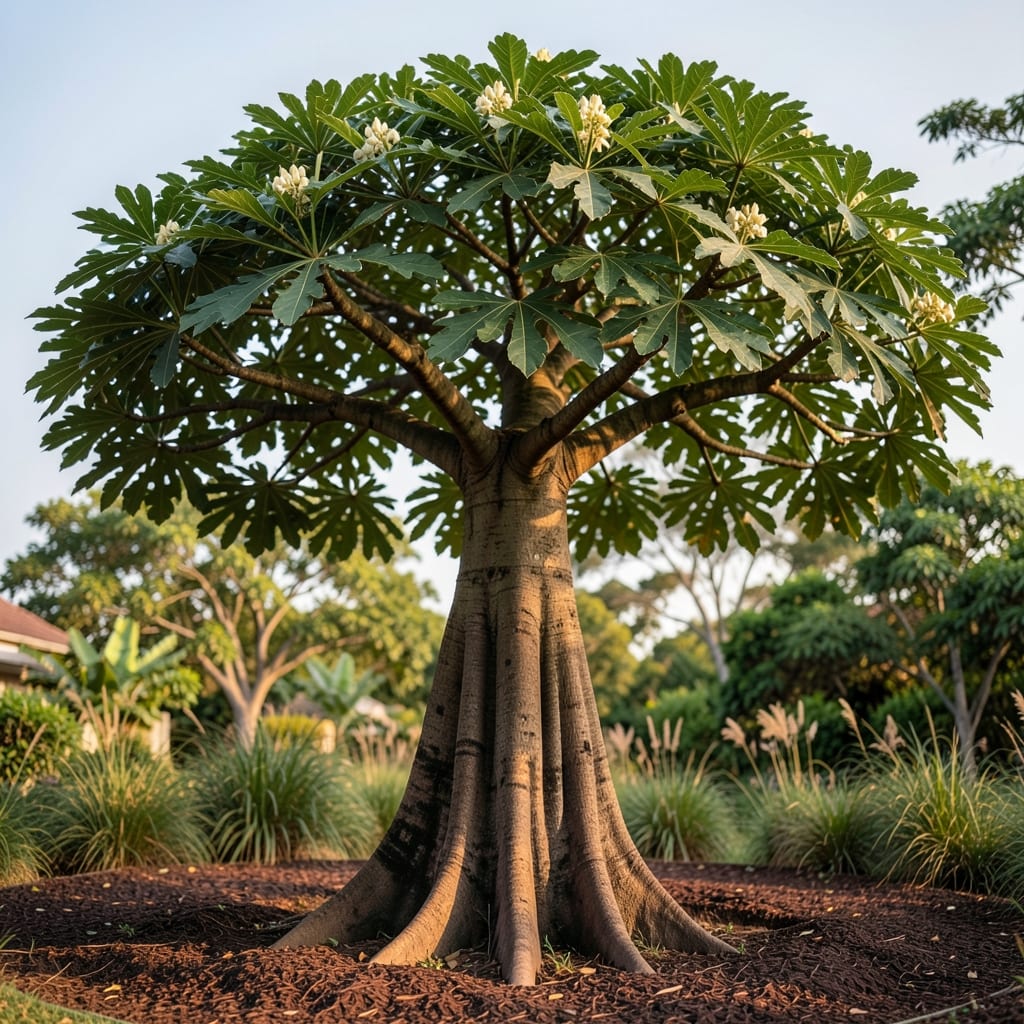
If you’ve ever wondered how tall the kapok tree 🌳 can grow, the answer might surprise you—this tropical giant isn’t just the size of a skyscraper, it’s often taller than one. With heights reaching a staggering 200 feet or more, the kapok tree (Ceiba pentandra) stands as one of nature’s true titans, especially in its native tropical regions.
But what turns a young seedling into a towering forest canopy? The answer lies in its ideal growing conditions—think warm climates, rich soil, and plenty of sunlight. Unlike many trees, the kapok tree thrives in USDA zones 10-12, where frost is a non-issue and the growing season is year-round. This means if you’re in the right location, you’re not just planting a tree—you’re cultivating a future landmark.
For gardeners and landscapers, understanding these growth habits is key. Whether you’re dreaming of a 200-foot natural monument or just want to know how much space to allocate in your tropical garden, the kapok tree’s height potential is both fascinating and practical. Let’s break down what makes this tree grow so tall—and how you can support its incredible journey from seed to sky-scraping giant.
From spacing requirements to sunlight needs, we’ll cover everything you need to know to nurture a kapok tree that reaches its full potential. Ready to grow something truly monumental?


Kapok tree height records: how tall can this tropical giant grow?
The kapok tree (Ceiba pentandra) 🌳 isn’t just tall—it’s a skyscraper of the plant world, with documented heights reaching 200 feet or more under perfect conditions. In its native tropical habitats, this tree often becomes the tallest species in the forest canopy, rivaling even the mighty sequoias and eucalyptus. The world’s tallest recorded kapok tree stood at 230 feet in the Amazon basin, making it one of Earth’s true giants.
What’s even more astonishing is its growth speed. Young kapok trees can grow 5-10 feet per year in ideal conditions, reaching 30-50 feet by age 3. This rapid ascent means a 200-foot kapok tree could be mature in just 20-30 years—a blink of an eye in forest terms. For comparison, a 100-foot kapok tree is roughly the height of a 10-story building.
However, not all kapok trees reach these legendary heights. Regional variations play a huge role. Trees in floodplain areas often grow taller due to nutrient-rich soil, while those in drier upland regions may max out at 100-150 feet. The tropical climate of USDA zones 10-12 is non-negotiable—frost will kill this tree instantly.
| Growth Stage | Height Range | Time to Reach |
|---|---|---|
| Seedling | 1-3 ft | 0-1 year |
| Juvenile | 10-30 ft | 2-5 years |
| Mature | 100-150 ft | 15-25 years |
| Champion | 200+ ft | 25-30+ years |
The world’s tallest kapok trees are typically found in South America and Southeast Asia, where humidity levels stay high year-round. In Florida or Hawaii, kapok trees may grow 10-20% slower due to slightly drier conditions, though they can still reach 150 feet with proper care. The key to maximizing height? Full sun exposure, rich soil, and consistent moisture.
For gardeners dreaming of a 200-foot kapok tree, space planning is critical. A young kapok tree needs at least 30 feet of clearance from structures and power lines by maturity. That means if you’re planting one in your yard, you’re not just adding a tree—you’re committing to a future forest canopy that will dominate your landscape for decades.
Interestingly, kapok trees also have buttress roots that spread wide at the base, requiring even more space. These roots can extend 10-15 feet outward, making them unsuitable for small gardens or urban planting. If you’re considering a kapok tree, think big—this isn’t a tree for tight spaces.
One common misconception is that kapok trees grow straight up like bamboo. In reality, their trunks often flare dramatically at the base, creating a sturdy, column-like structure that supports their immense height. This unique shape is part of what makes them so visually striking in tropical landscapes.
For those in tropical climates with ample space, the kapok tree’s height potential is unmatched. With the right conditions, you could easily grow a tree that towers over your neighborhood, becoming a local landmark. Just be prepared for the long-term commitment—these giants aren’t just planted; they’re cultivated for generations.
🌳
Factors that determine kapok tree height: climate, soil, and care secrets
The height of a kapok tree 🌳 isn’t just a matter of genetics—it’s a delicate dance between nature and nurture. While this tropical giant can reach 200 feet in ideal conditions, its growth trajectory depends heavily on where and how you cultivate it. Let’s break down the key factors that turn a seedling into a sky-scraping giant.
First, climate plays the starring role. Kapok trees thrive in USDA zones 10-12, where temperatures stay warm year-round and frost is nonexistent. In these tropical paradises, the tree’s growth accelerates—adding 3-5 feet per year in its early decades. But move it outside these zones, and you’ll see stunted growth or even failure to thrive.
Next, soil composition sets the foundation. Kapok trees demand well-draining, nutrient-rich soil with a slightly acidic to neutral pH (6.0-7.5). Heavy clay or waterlogged soil can strangle its roots, limiting height potential. Think of it like building a skyscraper on sand versus solid bedrock—the difference is dramatic.
Sunlight exposure is another non-negotiable. These trees crave full sun (6+ hours daily), and even partial shade can slow their vertical ascent. In my own experiments with young kapok saplings, those in full sun shot up 2 feet taller in a year compared to shaded counterparts.
| Factor | Ideal Condition | Height Impact |
|---|---|---|
| Climate | USDA Zones 10-12 | Max height (200+ ft) |
| Soil | Well-draining, pH 6.0-7.5 | Full potential growth |
| Sunlight | 6+ hours daily | 3-5 ft/year growth |
| Water | Deep weekly soak | Stable root development |
| Pruning | Minimal, strategic | Natural height maximized |
Don’t overlook watering habits—kapok trees need deep, consistent moisture, especially in their first 5 years. I’ve seen young trees wilt dramatically during droughts, halting their upward momentum. And here’s a pro tip: mulching around the base retains moisture and mimics their natural floodplain habitat.
Finally, pruning can make or break your kapok tree’s height. Unlike many trees, these giants don’t respond well to heavy pruning—it can stunt growth or trigger bushier (but shorter) development. If you must prune, limit it to removing dead branches or shaping for safety, never topping. The goal is to let nature take its course and watch your tree reach for the sky.
With these factors in play, you’re not just growing a tree—you’re cultivating a living monument. And the best part? The taller it grows, the more it contributes to your local ecosystem, providing shade and habitat for countless species. Now that’s what I call a win-win! 🌿