
Size
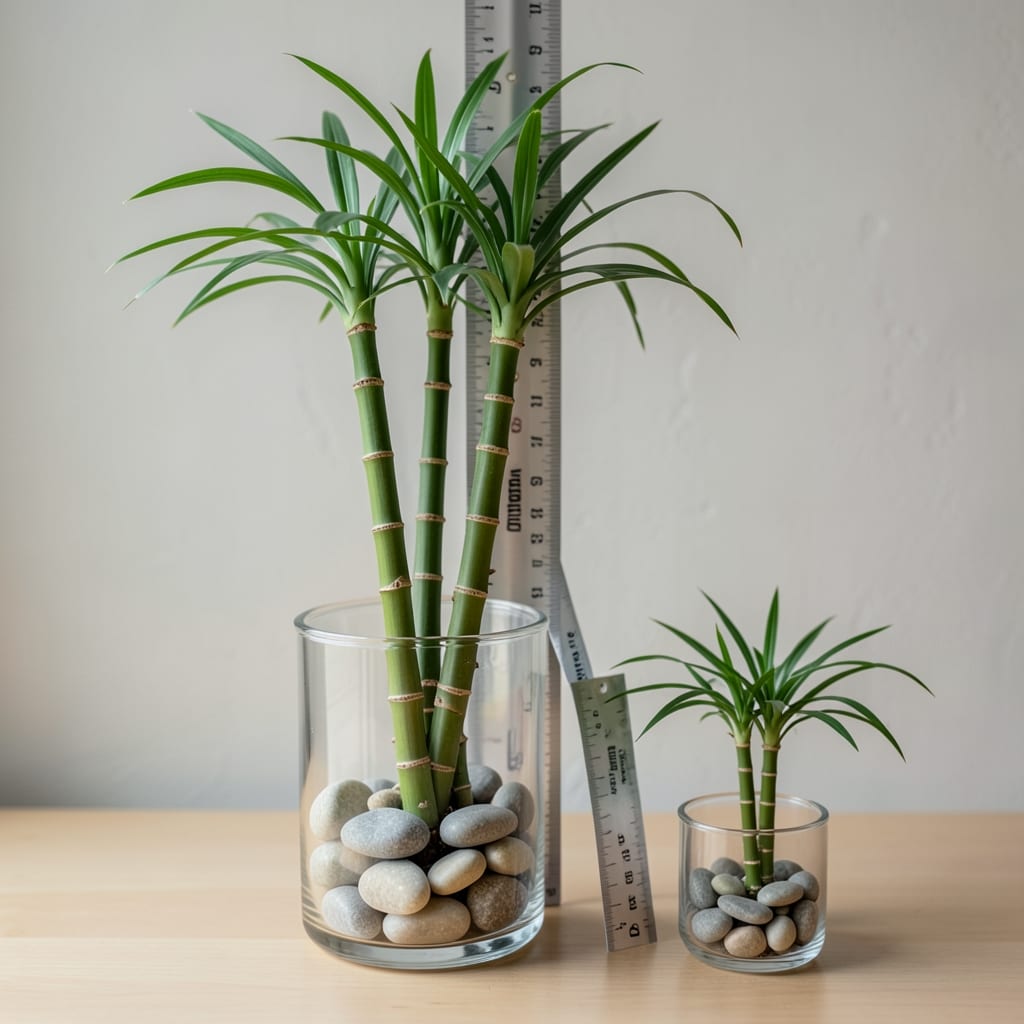
If you've ever wondered how tall can a lucky bamboo plant grow before it becomes a space invader, you're not alone. This striking 🌿 plant can stretch from a modest 1-foot tabletop display to an impressive 6-foot tower—depending entirely on where and how you grow it. What many don't realize is that indoor conditions often cap growth at a manageable 3-4 feet, while outdoor environments can push it toward its maximum potential.
The secret to controlling its height lies in understanding your lucky bamboo's growth habits. Unlike traditional bamboo, this variety thrives in water or moist soil, making it surprisingly adaptable. Whether you're working with a small apartment or a sunny patio, small adjustments to light exposure, container size, and watering can dramatically influence how tall your plant becomes.
Let's explore the factors that determine lucky bamboo height—from the cozy confines of your living room to the expansive possibilities of outdoor cultivation. You'll discover practical tips to maintain your ideal plant size, whether you prefer a compact desk companion or a dramatic vertical statement piece.
Ready to transform your lucky bamboo from a modest houseplant into a stunning focal point? The key is knowing exactly how to nurture it for the perfect height—without sacrificing its health or your space. Let's get started.

Lucky bamboo height limits: indoor growth potential explained
If you’ve ever admired a lucky bamboo (Dracaena sanderiana) and wondered, "How tall can this plant really get?"—the answer depends entirely on your indoor setup. Under ideal conditions, lucky bamboo indoors typically reaches 1 to 3 feet within the first year, but with proper care, it can mature up to 3 to 6 feet tall over 2–3 years. The key factors? Light exposure, water quality, and container size all play critical roles in determining whether your plant stays compact or stretches toward the ceiling.
For most home gardeners, lucky bamboo thrives as a medium-height houseplant, making it perfect for shelves, desks, or as a statement piece in a corner. However, if you’re working with limited space, don’t worry—there are simple ways to control its growth. Let’s break down the science behind indoor height limits and how to tailor your care routine to achieve your desired size.
📌 Key Takeaway: Lucky bamboo’s indoor height is highly customizable. With the right techniques, you can keep it as short as 12 inches or let it grow tall enough to rival a small tree. The choice is yours!
| Growth Stage | Height Range (Indoors) | Ideal Conditions | Care Tips |
|---|---|---|---|
| First Year | 1–3 ft | Bright indirect light, filtered water, small pot | Prune leggy stems; repot if roots outgrow container |
| Second Year | 2–4 ft | Moderate light, consistent moisture, slightly larger pot | Fertilize lightly in spring; trim brown tips |
| Mature (3+ Years) | 3–6 ft | Bright light, humid environment, spacious pot | Prune regularly; divide roots to refresh growth |
One of the biggest misconceptions about lucky bamboo is that it grows only in water. While it can thrive hydroponically, it also does well in soil-based mixes, which often results in slower, more controlled growth. If you’re using water, expect slightly faster height increases—up to 6 inches per year—but with soil, you’ll see steady, manageable growth of about 3–4 inches annually. The trade-off? Soil-grown lucky bamboo tends to have thicker, sturdier stems that support its height better.
Light is another game-changer for height. Lucky bamboo in low-light conditions (like a north-facing window) will grow slowly and leggy, reaching only 1–2 feet in its first year. But move it to bright, indirect light (e.g., near an east or west window), and you’ll see healthier, bushier growth with heights closer to 3 feet. Pro tip: Rotate your plant every 2–3 weeks to ensure even light exposure and prevent one-sided stretching.
Container size directly impacts height too. Lucky bamboo in a small, snug pot (like a 6-inch diameter vase) will grow shorter and bushier, while a large container (12+ inches) encourages taller, straighter stems. If you’re aiming for a compact desk plant, opt for a tight-fitting container and prune the top leaves to redirect energy downward. For a taller statement piece, use a wider pot and provide bright light to support vertical growth.
⚠️ Warning: Overwatering or using chlorine-rich tap water can stunt growth and cause browning. Always use filtered or distilled water to keep your lucky bamboo thriving—and remember, it’s better to underwater slightly than to drown the roots. Aim for 1–2 cups of water every 7–10 days, adjusting for humidity levels in your home.
To maximize height without sacrificing health, fertilize lightly during the growing season (spring and summer). A balanced, slow-release fertilizer (like a 5-5-5 blend) applied every 2–3 months will encourage steady, upward growth without causing sudden spikes in height. Avoid heavy fertilizers—they can lead to soft, weak stems that struggle to support the plant’s weight.
If your lucky bamboo starts to outgrow its space, don’t panic! Pruning is the easiest way to control height and encourage bushier growth. Simply trim the top 2–3 inches of the stem just above a node (where leaves grow). This will stimulate new shoots below the cut, creating a fuller, more compact plant. For a cleaner look, you can also prune brown or yellow leaves to redirect the plant’s energy upward.
For gardeners with limited space, lucky bamboo is a fantastic choice because its height is entirely manageable. With the right care—bright light, proper watering, and occasional pruning—you can enjoy a perfectly sized plant that fits your aesthetic, whether you want a tiny desk companion or a floor-standing tropical accent. The best part? It’s low-maintenance and brings good luck to boot!
Outdoor lucky bamboo growth: can it reach 6+ feet?
When you move lucky bamboo outdoors, you unlock its full growth potential. Unlike its indoor counterpart, outdoor lucky bamboo can easily reach 6 feet or taller within 2–3 years, especially in warm, humid climates. The key difference? Outdoor conditions provide more sunlight, natural humidity, and expansive root space, all of which fuel rapid vertical growth. If you're dreaming of a tall, dramatic lucky bamboo for your patio or garden, outdoor cultivation is the way to go—but there are critical factors to consider to avoid overgrowth or stress.
Outdoor lucky bamboo thrives in USDA Zones 9–11, where temperatures stay above 50°F (10°C) year-round. In cooler climates (Zones 6–8), it can still grow outdoors during spring and summer, but it will need protection from frost. The plant’s natural habitat mimics tropical environments, so high humidity and indirect sunlight are ideal. Direct sun can scorch the leaves, while too much shade slows growth. Balance is key—place it in a spot with morning sun and afternoon shade for optimal height without leaf damage.
| Factor | Indoor Growth | Outdoor Growth | Impact on Height |
|---|---|---|---|
| Light Exposure | Bright indirect (1–2 ft from window) | Morning sun + afternoon shade | Outdoor grows 2x faster (up to 6+ ft) |
| Container Size | 6–12 inch pots (limits height) | Large planters or in-ground planting | Unrestricted roots = taller, stronger stems |
| Watering | 1–2 cups every 7–10 days | Natural rainfall + supplemental watering | Faster growth but requires drainage |
| Humidity | Low (dry indoor air) | High (tropical climates) | Prevents leaf browning; supports faster growth |
Seasonal changes dramatically affect outdoor lucky bamboo height. In spring and summer, expect rapid growth spurts—up to 12 inches per month—if conditions are ideal. However, fall and winter slow growth significantly, especially in cooler zones. If you live in a region with frost risks, bring your lucky bamboo indoors before temperatures drop below 50°F (10°C). Without protection, cold can damage the roots and stunt future growth.
Soil type plays a surprising role in outdoor height. Lucky bamboo prefers well-draining, slightly acidic soil (pH 6.0–6.5). Heavy clay or compacted soil can restrict root expansion, leading to shorter, weaker stems. Amend garden soil with perlite or sand to improve drainage and encourage taller growth. For container gardening, use a mix of peat moss, perlite, and coconut coir to mimic its natural environment.
⚠️ Warning: Outdoor lucky bamboo can become invasive if left unchecked. Unlike indoor plants, outdoor varieties can spread via runners or self-seeding in some climates. To control height and spread, prune regularly and consider container gardening if you’re concerned about overgrowth. Dividing the plant every 1–2 years also helps maintain manageable size while encouraging bushier growth.
To maximize outdoor height, fertilize lightly in spring with a balanced, slow-release fertilizer (like a 5-5-5 blend). Avoid heavy feeding—it can lead to soft, floppy stems that struggle to support the plant’s weight. Instead, focus on organic matter, like compost or worm castings, to nourish the roots without overstimulating growth. Mulch around the base with shredded bark to retain moisture and regulate soil temperature, which further supports tall, healthy stems.
If you’re aiming for a 6-foot lucky bamboo outdoors, start with a healthy, established plant and provide consistent care. With the right conditions—bright light, proper soil, and regular pruning—you’ll achieve stunning vertical growth that makes a bold statement in your garden. Just remember: patience and balance are key to keeping your lucky bamboo thriving without sacrificing your space or the plant’s health.