
Size
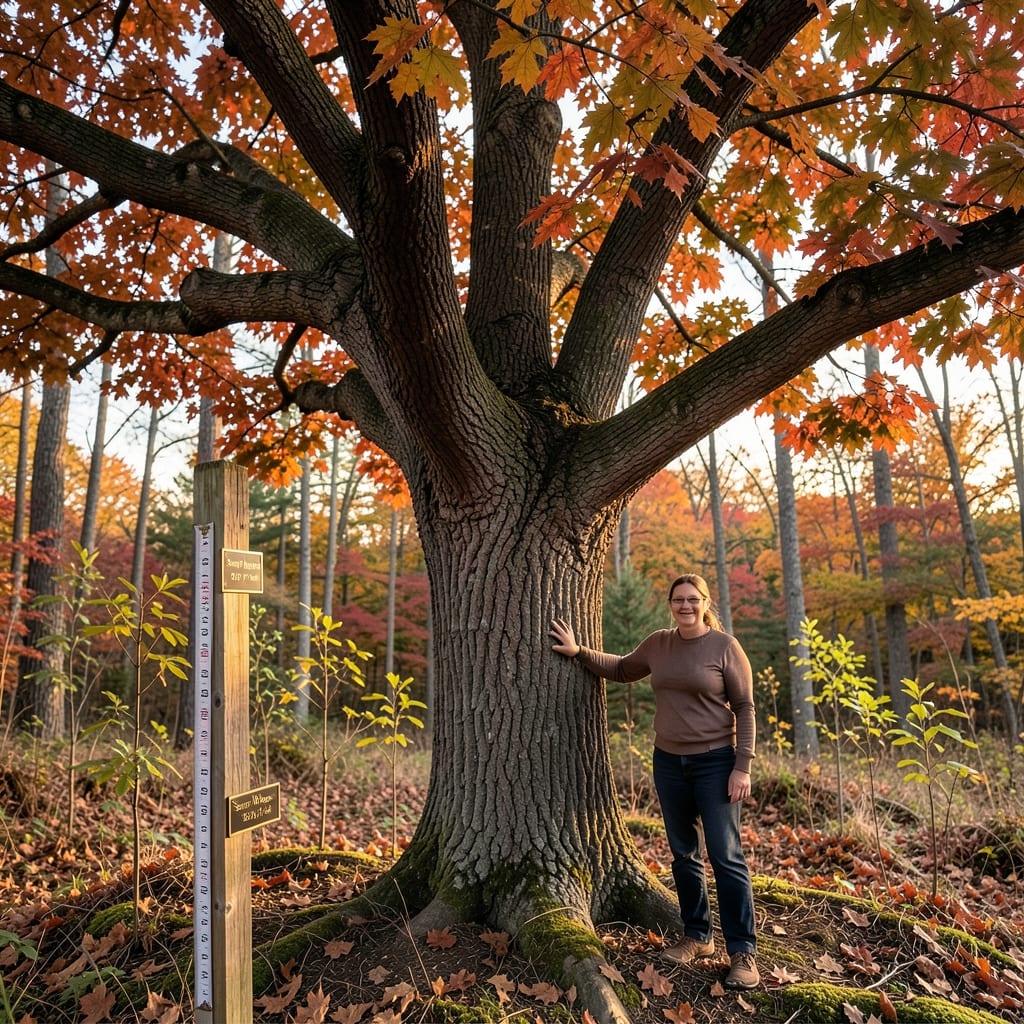
Ever wondered how tall a maple tree can grow in your backyard? The answer might surprise you—some varieties stretch taller than a 4-story building, while others stay compact enough for even small gardens. But what determines whether your maple becomes a sky-scraping giant or a manageable shade provider?
Maple trees aren’t one-size-fits-all—species like the Sugar Maple can reach 75-100 feet, while dwarfs like the Japanese Maple top out around 15-25 feet. The difference comes down to genetics, soil quality, and even how you prune. If you’re dreaming of a backyard canopy or just want to keep your tree under control, understanding these factors is the key to getting the height you want.
What if I told you that 50% of a maple’s mature height is already determined by its species? The rest depends on where you plant it, how much water it gets, and whether you’re pruning for growth or containment. Let’s break down the science behind these growth secrets so you can make informed decisions before your sapling becomes a skyscraper.
Whether you’re comparing maples to oaks or pines, or just trying to decide which variety fits your space, this guide will help you discover the perfect balance between ambition and practicality. Ready to turn your maple-growing goals into reality?

Maple tree height by species: from dwarfs to giants
Maple trees are nature’s skyscrapers—some species grow taller than a 4-story building, while others stay compact enough for small yards. The height of your maple tree depends entirely on its species. For example, the Silver Maple can reach 100+ feet, while a Japanese Maple might stay under 25 feet. Let’s explore the height ranges of the most popular maple varieties so you can choose the perfect fit for your space.
The Sugar Maple, famous for its brilliant autumn foliage, typically grows 60–80 feet tall. Meanwhile, the Red Maple often surpasses 70 feet, making it a towering presence in forests and large landscapes. If you’re dreaming of a dwarf maple for a patio or small garden, consider the ‘Autumn Blaze’ or ‘Armstrong’ varieties, which max out around 25 feet.
Here’s a quick comparison of how maple species stack up against each other—and against your home’s architecture:
| Species | Mature Height (ft) | Growth Rate | Best For |
|---|---|---|---|
| Silver Maple | 80–100+ | Fast | Large yards, forests |
| Sugar Maple | 60–80 | Moderate | Shade trees, landscapes |
| Red Maple | 70–90 | Fast | Wet soils, wildlife habitats |
| Japanese Maple | 15–25 | Slow | Patios, bonsai, small gardens |
| Norway Maple | 50–70 | Moderate | Shade trees, urban areas |
| ‘Autumn Blaze’ Maple | 20–30 | Fast | Small yards, hedges |
| Boxelder Maple | 40–60 | Moderate | Wildlife-friendly areas |
If you’re comparing maple trees to other common trees, they often outshine competitors. For instance, a Sugar Maple can easily surpass the height of a White Oak (60–80 ft) or American Beech (50–70 ft). Even the dwarf varieties like the Japanese Maple are taller than most fruit trees or ornamental shrubs, making them a bold statement in any landscape.
Choosing the right species isn’t just about height—it’s also about your climate and soil type. Silver Maples thrive in wet soils, while Japanese Maples prefer well-drained, acidic soil. Before planting, check your USDA hardiness zone to ensure the species you pick will flourish in your area.
For example, if you live in Zone 5 or colder, the Norway Maple is a hardy choice, while Zone 7+ gardeners might prefer the Red Maple for its vibrant colors and adaptability. Always match the tree’s native range to your local conditions for the best growth results.
Pro tip: If you’re unsure which maple to plant, start with a young sapling from a local nursery. They’ll already be adapted to your climate, giving them a head start toward reaching their full height potential. Just remember—once planted, maples are a long-term investment that
What determines maple tree height: 5 critical factors
Did you know that 50% of a maple tree’s mature height is already set by its species? The other half depends on environmental factors you can control. From soil quality to sunlight exposure, these 5 critical factors determine whether your maple becomes a towering giant or a manageable shade provider. Let’s dive into the science behind it so you can optimize growth—or keep it in check.
First, soil quality plays a massive role. Maple trees thrive in well-draining, slightly acidic soil (pH 6.0–7.5). Compacted or waterlogged soil can stunt growth, while rich, loamy soil with organic matter fuels rapid height gains. For example, a Silver Maple in ideal soil can grow 2–3 feet per year, while the same tree in poor soil might only reach 1 foot annually.
Here’s how these factors break down—ranked by impact:
- 1. Soil Quality: Rich, well-draining soil = faster growth. Poor soil = stunted height.
- 2. Sunlight Exposure: 6+ hours of sun maximizes growth. Partial shade slows height gains by 30–50%.
- 3. Water Availability: Deep watering 1–2x per week (young trees) prevents drought stress. Overwatering or underwatering both reduce height potential.
- 4. Pruning Practices: Pruning too aggressively stunts growth, while strategic pruning (removing dead or crossing branches) encourages upward expansion.
- 5. Climate & Zone: USDA Zones 3–9 suit most maples. Colder climates slow growth, while Zone 7+ can push faster height gains.
Let’s talk sunlight exposure next—this is where many gardeners make mistakes. Maple trees need full sun (6+ hours daily) to reach their full height potential. Placing one in partial shade (like under a canopy of taller trees) can reduce its mature height by 30–50%. For instance, a Red Maple in full sun might hit 80 feet, but in shade, it could max out at 40–50 feet.
Watering is another game-changer. Young maples need deep, consistent watering (15–20 gallons per tree) to establish strong root systems. Skipping water during drought can cause height stunting and even death in extreme cases. Once established, maples are drought-tolerant, but their early growth years are critical for reaching maximum height.
Finally, pruning and climate can’t be overlooked. Pruning too much—especially top-heavy cuts—can redirect energy away from height growth. Meanwhile, cold climates (Zones 3–5) slow growth rates, while warmer zones (7–9) allow maples to grow faster. If you’re in a cooler zone, expect a 10–20% slower growth rate compared to southern climates.
Pro tip: To maximize height, focus on soil prep before planting—amend with compost—and avoid pruning the top third of the tree. For height control, prune laterally to encourage bushier growth. The key is balancing these factors to get the perfect height for your space.