
Size
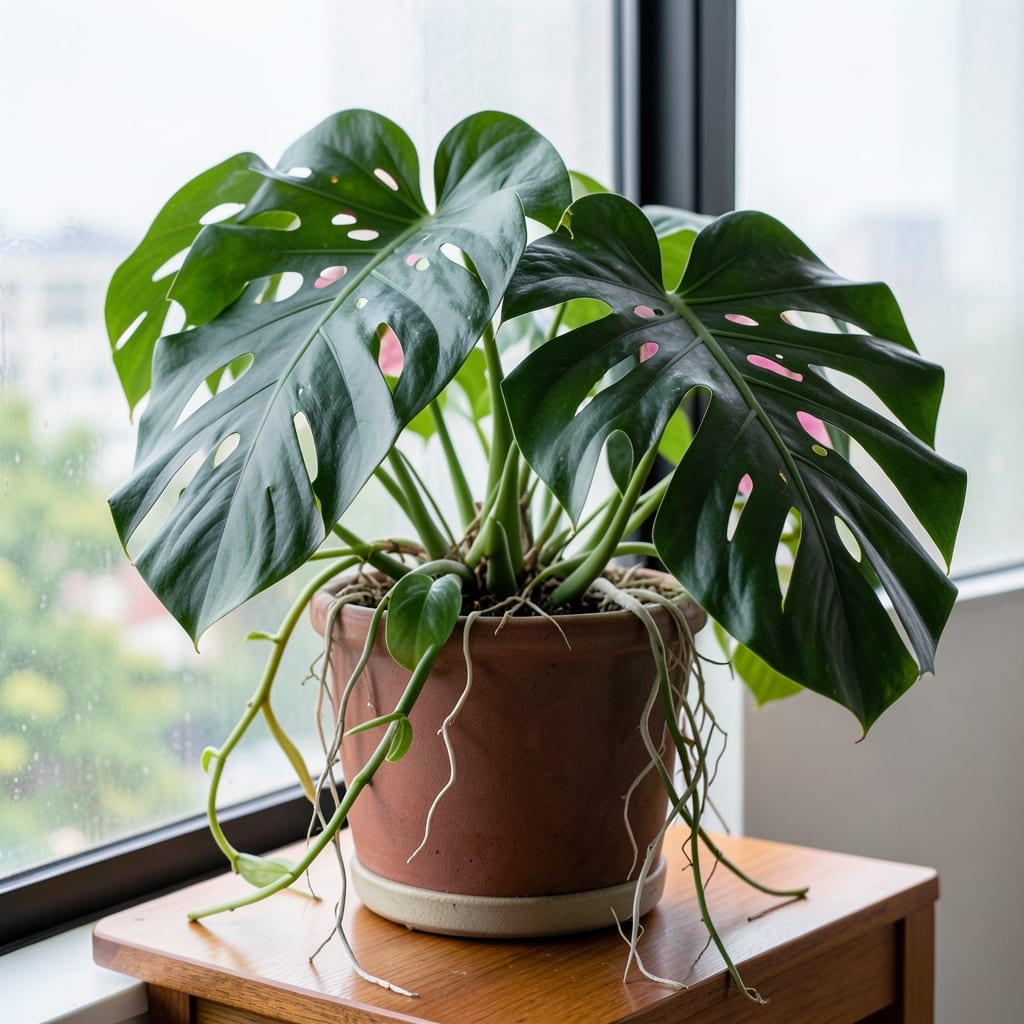
If you’ve ever wondered how tall can a Monstera grow before it turns your living room into a jungle, you’re not alone. This stunning 🌿 vine can shoot up like a vertical rocket, reaching heights that’ll make you reconsider your ceiling fans—or your entire room layout.
The truth is, Monsteras are serious climbers, especially in their natural tropical habitat. Indoors, they’ll typically grow 10-20 feet tall if given the right conditions, while outdoors in warmer climates, they can stretch to 40 feet or more. But don’t panic—with the right care, you can keep them under control.
Whether you’re dealing with a Monstera Deliciosa or a smaller variety like the Monstera Adansonii, understanding growth habits is key. We’ll break down how light, pruning, and support systems can shape your plant’s height—and how to keep it from turning your home into a rainforest.
Ready to learn how to harness this plant’s potential without losing your ceiling space? Let’s dive into the secrets of managing a Monstera’s impressive (and sometimes overwhelming) growth.


Monstera Deliciosa growth height: from floor to ceiling and beyond
Your Monstera Deliciosa isn’t just a houseplant—it’s a jungle climber with serious vertical ambitions. In ideal conditions, this vine can grow 10-20 feet indoors and 20-40 feet outdoors, making it one of the fastest-growing tropical plants for home gardens. Think of it as a living trellis that’ll wrap around anything it can reach, from ceiling hooks to sturdy walls.
But here’s the catch: its growth rate depends entirely on where you live and how you care for it. In tropical climates, outdoor Monsteras can become small trees, while indoor plants in cooler homes might max out at 8-12 feet without proper light. Let’s break down the factors that turn your Monstera from a tabletop plant into a room-dividing giant.
| Factor | Indoor Growth | Outdoor Growth |
|---|---|---|
| Light Conditions | 10-20 ft (bright indirect) | 20-40 ft (full sun) |
| Support System | Needs trellis/moss pole | Climbs trees/walls naturally |
| Pruning Frequency | 2-4 times/year (controls height) | Minimal (natural growth) |
| Growth Rate | 1-2 ft/year (slow without light) | 3-5 ft/year (rapid in heat) |
Light is the #1 growth accelerator for Monsteras. Place yours near an east or west-facing window for bright indirect light, and watch it shoot up 2-3 feet per year. Without enough light, growth slows to a crawl, and those iconic split leaves (fenestrations) may never appear. Pro tip: Rotate your plant quarter-turns every 2 weeks to ensure even growth.
Support makes all the difference. Monsteras are climbing vines by nature, so they’ll latch onto anything—moss poles, trellises, or even your bookshelf. Without support, vines sprawl horizontally, creating a ground-hugging mess instead of a vertical statement. Invest in a 6-foot moss pole for indoor plants to guide growth upward and encourage those stunning aerial roots.
Don’t overlook humidity levels. Monsteras thrive in 60-80% humidity, mimicking their tropical habitat. In dry climates, growth stalls, and leaf edges brown and crisp. Use a pebble tray or humidifier to keep air moist, and mist leaves daily in summer. The result? A healthier, faster-growing plant that reaches for the sky instead of wilting.
Outdoor Monsteras in USDA Zones 10-12 become uncontrollable giants. Without pruning, they’ll climb trees or fences, sending vines 40+ feet in a single season. If you’re growing outdoors, prune aggressively in late winter to maintain shape and prevent your plant from becoming a jungle takeover. In cooler zones, bring potted Monsteras indoors before first frost—they’re not frost-tolerant.
Variety matters too. While Monstera Deliciosa is the tallest, its cousin Monstera Adansonii (Swiss cheese plant) stays compact at 3-6 feet without support. Variegated types like Monstera Albo grow slower due to their energy-intensive white leaves, often maxing out at 8-12 feet. Choose your variety based on your ceiling height and patience level!
Remember: a 20-foot Monstera isn’t inevitable. With strategic pruning and light control, you can keep it at a manageable 6-8 feet—perfect for draping over bookshelves or climbing a corner trellis. The key is balancing growth with your space. Start small, observe how your plant responds, and adjust before it’s too late!
Ready to harness that jungle energy without sacrificing your living room? The next section covers pruning techniques to keep your Monstera lush but contained—no ceiling damage required.
Monstera Deliciosa growth height: from floor to ceiling and beyond
The Monstera Deliciosa is a jungle giant in miniature form, capable of reaching 10-20 feet indoors with ideal care. In tropical outdoor settings, this vine can stretch to 40 feet or taller, mimicking its wild relatives climbing through rainforest canopies. The key difference? Indoors, growth slows without proper support and light, while outdoors, warmth and space fuel rapid expansion.
Your plant’s height depends on three critical factors: light exposure, available support, and pruning habits. Without a trellis or moss pole, stems stretch thin and leggy, searching for vertical surfaces. Even with support, a Monstera Deliciosa can grow 1-2 feet per year under optimal conditions, making it a long-term commitment for smaller spaces.
🌿
| Growth Factor | Indoor Height | Outdoor Height | Key Influence |
|---|---|---|---|
| Light Conditions | 10–15 ft | 20–40 ft | Bright indirect light = faster growth |
| Support Structure | Up to 20 ft (with trellis) | Unlimited (climbs trees) | Moss poles encourage thicker growth |
| Pruning Frequency | 3–10 ft (regular pruning) | Natural height (no pruning) | Trimming redirects energy to bushier growth |
| Variety | Monstera Adansonii: 3–6 ft | Monstera Deliciosa: 20–40 ft | Genetics determine max potential |
If you’re dealing with a Monstera Adansonii, expect a more compact 3-6 feet indoors—its delicate, lace-like leaves grow horizontally rather than vertically. However, even this variety can sprawl if unsupported. The real height difference lies in how you train the vine: without guidance, stems flop dramatically, while proper support turns them into lush, upward-reaching structures.
For those in temperate climates, outdoor Monsteras thrive in USDA Zones 9-11, where they can grow aggressively. In colder regions, bring potted plants indoors before first frost to prevent damage. Even indoors, a south-facing window or grow lights can push growth to its upper limits—just be prepared for a plant that may need ceiling-height support!
🌳
Remember, a Monstera’s height isn’t just about space—it’s about health and aesthetics. A well-supported plant produces larger, more dramatic leaves, while a neglected one becomes a tangled mess. The goal? Balance your dream of a jungle vibe with practical space management—because once those leaves start touching the ceiling, you’ll either love the drama or start plotting a new home for your vine.