
Size
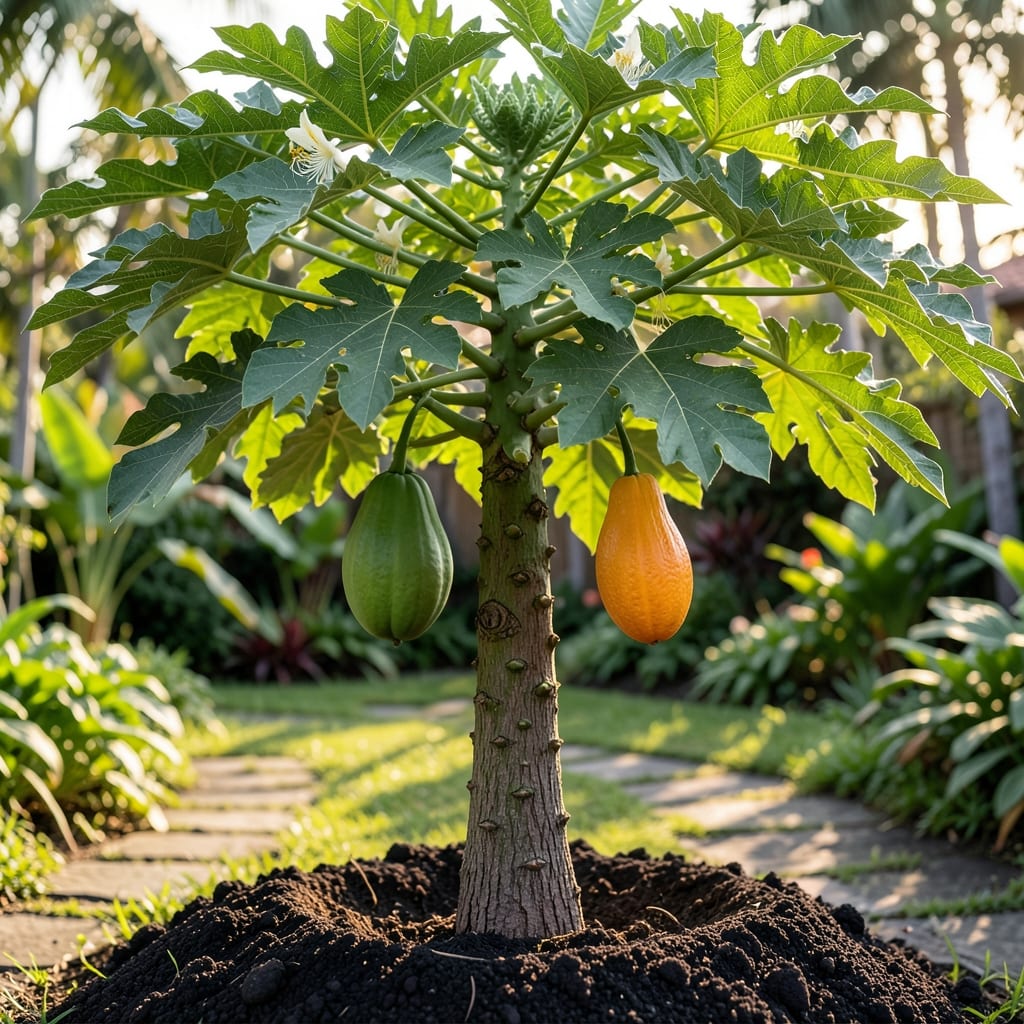
If you’ve ever wondered how tall can a papaya tree grow, the answer might surprise you—these tropical giants can reach heights of 10 to 30 feet in ideal conditions, turning your backyard into a lush jungle oasis. Whether you’re dreaming of a towering fruit-bearing tree or a more manageable size for containers, understanding the growth potential is the first step to success.
Papaya trees thrive in USDA Zones 10-12, where they flourish year-round with warm temperatures and plenty of sunlight. But don’t let their impressive height scare you off—some varieties stay shorter, making them perfect for smaller spaces. The key to controlling their growth lies in proper care, like pruning and choosing the right variety for your garden.
In this guide, I’ll break down everything you need to know, from the fastest-growing varieties to pruning secrets that keep your tree at your desired height. Whether you’re a seasoned gardener or just starting out, you’ll learn how to nurture a healthy 🍈 papaya tree that fits your space—without sacrificing those juicy, tropical fruits.
Ready to transform your garden? Let’s dive into the details so you can grow a papaya tree that’s as productive as it is stunning.


Papaya tree height by variety: from dwarf to towering giants
The 🍈 papaya tree is a tropical marvel, but its height can vary dramatically depending on the variety you choose. Some varieties grow like jungle giants, reaching 20 to 30 feet in ideal conditions, while others stay more manageable at 10 to 15 feet. Understanding these differences is key to selecting the right tree for your space and climate.
If you’re in USDA Zones 10-12, where papayas thrive year-round, you’ll find that most standard varieties grow tall—sometimes too tall for small backyards. However, if you’re in cooler zones or prefer a more compact tree, some varieties adapt better to containers or pruning. The variety you pick will determine not just height but also fruit size, flavor, and growth speed.
Below is a breakdown of the most popular papaya varieties and their typical mature heights. Whether you’re aiming for a backyard giant or a container-friendly dwarf, this guide will help you choose the perfect fit for your garden.
🌱 Quick Tip: Always check the specific variety’s care requirements, as some may need more frequent pruning or support to stay within your desired height range.
| Variety | Mature Height | Growth Habit | Ideal Climate |
|---|---|---|---|
| Solo | 10–15 ft | Compact, bushy | Tropical/subtropical |
| SunUp | 15–20 ft | Tall, upright | Warm coastal areas |
| Red Maradol | 20–30 ft | Very tall, fast-growing | Tropical rainforests |
| Tahitian | 12–18 ft | Medium height, spreading | Subtropical zones |
| Purple | 10–15 ft | Compact, slow-growing | Containers or small gardens |
As you can see, the Red Maradol variety is the tallest, often reaching 30 feet in its native tropical habitats. This makes it a stunning centerpiece for large gardens but may require significant space and pruning to manage its height. On the other hand, the Solo and Purple varieties are more compact, making them ideal for smaller yards or even large containers.
If you’re growing papayas in cooler climates, like Zone 9, you’ll need to choose varieties that tolerate slightly lower temperatures, such as the SunUp or Tahitian. These varieties are hardier and may not grow as tall but still produce abundant fruit. Always consider your local climate when selecting a variety to ensure optimal growth and fruit production.
One factor that influences height is the growth rate. Papaya trees can grow 2 to 3 feet per year under ideal conditions, but this can slow down in cooler or drier climates. For example, a Red Maradol might take 3 to 5 years to reach its full height, while a Solo variety could mature in just 2 to 3 years. Planning for this growth timeline will help you prepare your space and care routine accordingly.
Another key consideration is whether you’re growing your papaya tree in the ground or in a container. Trees planted in-ground have more room to spread their roots and grow taller, while container-grown trees are naturally limited in height. If you’re using containers, choose a variety like Purple or Solo, which are better suited to pot life and won’t outgrow their space as quickly.
Finally, remember that even the tallest papaya trees can be managed with proper pruning techniques. Regular pruning not only controls height but also encourages healthier growth and better fruit production. In the next section, I’ll share my top pruning secrets to keep your papaya tree at your desired height while maximizing those delicious fruits.
🌿
Pruning secrets to control papaya tree height & boost fruit production
Controlling the height of your papaya tree isn’t just about aesthetics—it’s about maximizing fruit production and tree health. With the right pruning techniques, you can keep your 🍈 papaya tree at a manageable height while encouraging more branches to bear fruit. The key is timing, tools, and knowing which parts to trim.
Most papaya trees grow rapidly, sometimes adding 2-3 feet per year in ideal conditions. Without pruning, they can quickly become unruly, shading out lower branches and reducing fruit yield. Pruning also improves airflow and sunlight penetration, which helps prevent fungal diseases like powdery mildew—a common issue in dense foliage.
Here’s my step-by-step pruning guide to keep your tree at your desired height while boosting those sweet, tropical fruits:
Prune during the dry season or early spring to minimize stress. Avoid pruning when the tree is flowering or fruiting, as this can reduce yields.
Disinfect pruning shears with rubbing alcohol to prevent spreading disease. Use bypass pruners for clean cuts on branches up to ½ inch thick.
Start by cutting out any dead, diseased, or crossing branches. These compete for nutrients and can harbor pests.
Trim back overlapping leaves to improve airflow. Focus on the lower third of the tree to encourage sunlight exposure for fruit production.
To control height, cut the topmost 12-18 inches of the main stem. This stimulates lateral branching, which increases fruit-bearing potential.
Never remove more than 25% of the tree’s foliage at once. Over-pruning can shock the tree and reduce its ability to produce fruit.
Apply a balanced fertilizer (10-10-10) 2-3 weeks after pruning to support new growth. Focus on potassium-rich fertilizers to encourage fruiting.
One common mistake I see is pruning too late in the season, which can delay the tree’s recovery before winter. If you’re in a tropical climate, you can prune year-round, but always follow the 25% rule to avoid stressing the tree. For container-grown papayas, pruning is even more critical—since they have limited root space, controlling height ensures they don’t outgrow their pots.
Pro tip: If you’re growing a dwarf variety like ‘Tahitian,’ you’ll need to prune less frequently, but the same principles apply. The goal is always to balance height with fruit production, so don’t be afraid to experiment and observe how your tree responds!