
Trees
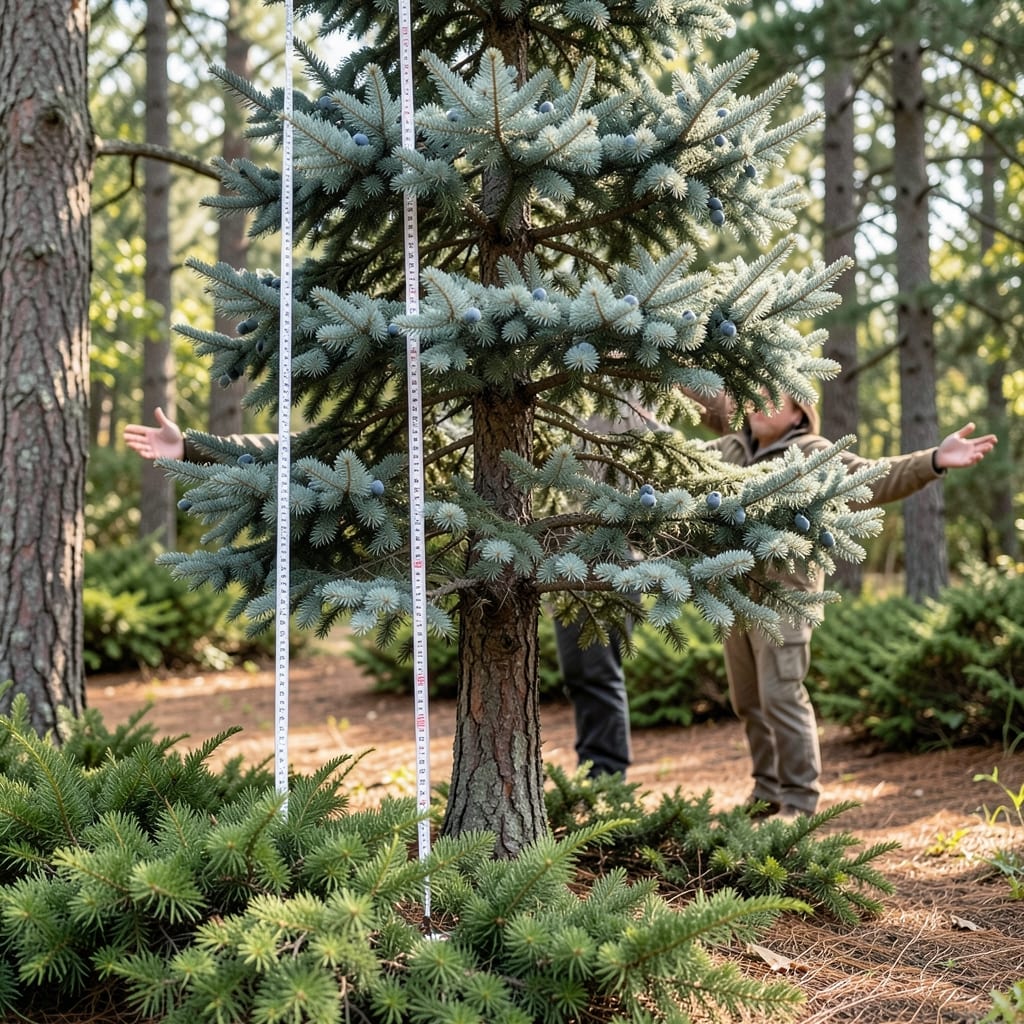
If you're wondering how tall can juniper trees grow, the answer might surprise you—these hardy evergreens can range from tiny shrubs to towering giants, depending on the species. Some varieties stay neatly under 3 feet, perfect for borders, while others shoot up to 40 feet or more, rivaling the height of a three-story house.
What makes this even more exciting is that junipers like 🌲 Juniperus virginiana (Eastern Red Cedar) can grow 3 feet per year in ideal conditions, while slower-growing types like 'Blue Rug' remain compact. Whether you're planning a privacy screen or a low-maintenance landscape, understanding these differences is key to picking the right tree for your space.
But here's the best part: you don't have to let nature take its course. With the right pruning techniques, you can shape junipers to fit your yard perfectly—whether that means keeping them as a manageable shrub or encouraging their natural height for a dramatic focal point. Let's explore how to work with these versatile trees to get the look you want.
From dwarf varieties that add texture to your garden beds to towering specimens that create a forest-like atmosphere, junipers offer endless possibilities. Discover which species thrive in your climate, how to control their growth, and the secrets to keeping them healthy for decades. Your dream landscape is just a few pruning cuts away!

Juniper tree height by variety: from dwarf to giant species
Juniper trees come in an astonishing range of sizes, from ground-hugging shrubs to towering evergreens that dwarf your home. The mature height of a juniper depends entirely on its species and cultivar, with some varieties reaching 40+ feet while others stay under 3 feet. Understanding these differences helps you choose the perfect juniper for your landscape—whether you need a privacy screen, a low-maintenance hedge, or a statement tree for your backyard.
For small spaces, dwarf junipers like 'Blue Rug' or 'Blue Carpet' max out at 3 feet, making them ideal for rock gardens or container planting. On the other end of the spectrum, giant junipers like the Eastern Red Cedar or Pfitzer Juniper can soar to 40 feet or more, creating a forest-like canopy in your yard. The key is matching your yard size and design goals to the right variety.
Below, I’ve categorized junipers by height ranges—dwarf, medium, and giant—to help you visualize their potential in your landscape. Whether you’re planning a formal hedge, a windbreak, or a solitary specimen, knowing these heights ensures your juniper thrives without overwhelming your space.
The dwarf junipers are my go-to for low-maintenance landscapes—they require minimal pruning and fit seamlessly into small gardens or urban courtyards. For example, the 'Blue Rug' juniper stays under 3 feet but spreads 6 feet wide, creating a lush, carpet-like effect perfect for ground cover. If you’re working with a tight budget or limited space, these varieties offer big impact with minimal effort.
For medium-height junipers, the 'Pfitzer Juniper' is a landscape staple due to its versatility. It typically grows 10–15 feet tall but can be pruned into a hedge or left to develop a natural, rounded shape. This makes it ideal for property borders or screening unsightly views. Another favorite is the 'Skyrocket Juniper', which grows 12–15 feet tall but only 3–4 feet wide, making it perfect for narrow spaces like driveway edges or walkway liners.
When it comes to giant junipers, the Eastern Red Cedar is a North American native that can reach 40 feet or taller, providing year-round privacy and wildlife habitat. These trees are hardy in USDA zones 2–9, making them suitable for cold climates where other evergreens struggle. If you’re planting near a lake or pond, the Western Red Cedar is another towering option, growing 40–60 feet tall and thriving in moist, well-drained soils.
One common misconception is that all junipers grow at the same rate. In reality, dwarf varieties may take 5–10 years to reach their mature height, while giant species can add 2–3 feet per year under ideal conditions. Soil quality, sunlight exposure, and watering habits all play a role in how quickly your juniper grows. For fastest results, plant in full sun with well-draining soil and avoid overwatering, as junipers are drought-tolerant once established.
If you’re planning a juniper hedge, consider the 'Green Carpet' or 'Sea Green' varieties, which stay under 3 feet but create a dense, impenetrable barrier. For specimen planting, the 'Sargent Juniper' offers a columnar shape that grows 15–20 feet tall, perfect for vertical accents in modern landscapes. Always check the nursery tag for mature height estimates, as some cultivars can outgrow their expected size if given ideal growing conditions.
🌲
How to control juniper growth: pruning techniques for height management
Pruning junipers isn’t just about keeping them neat and tidy—it’s a powerful tool to control their height and shape while promoting healthy growth. Unlike many trees, junipers don’t bleed sap when pruned, making them low-stress to shape year-round. Whether you’re dealing with a 3-foot dwarf or a 40-foot giant, the right techniques can prevent overgrowth and encourage the exact look you want for your landscape.
Timing is everything when it comes to pruning junipers. The best time to prune is late winter or early spring, just as new growth begins. This ensures your cuts stimulate fresh foliage without stressing the tree during hot summers or winter dormancy. For formal hedges, you can also prune lightly in late summer to maintain shape, but avoid heavy cuts during this time, as it can stunt new growth before winter.
Before you grab your shears, gather the right tools for the job. For small junipers or detailed shaping, use hand pruners or bypass pruners for clean cuts. For larger branches on mature trees, a pruning saw or loppers will save you time and effort. Always sterilize your tools with rubbing alcohol between cuts to prevent disease spread, especially if your juniper shows signs of brown needles or fungal spots.
Step-by-Step Juniper Pruning Guide
-
Step 1: Assess the Tree
Examine your juniper for dead, diseased, or overgrown branches. Look for branches that are brown, brittle, or crossing—these are prime candidates for removal. -
Step 2: Plan Your Cuts
Sketch a light outline of your desired shape. For height control, focus on topping the central leader (the main upward-growing branch). For hedges, aim for even layers. -
Step 3: Make Clean Cuts
Cut just above a healthy bud or leaf cluster at a 45-degree angle. Avoid tearing the bark, which can invite pests. For thick branches, use a pruning saw. -
Step 4: Shape Gradually
Never remove more than 1/3 of the foliage in a single pruning session. Junipers recover slowly from heavy cuts. Space out pruning over 2-3 years for large trees. -
Step 5: Clean Up
Remove all pruned branches and debris from the area. Mulch the base with wood chips to protect roots and retain moisture. -
Step 6: Monitor Recovery
Water deeply after pruning to reduce stress. Watch for new growth within 4-6 weeks. If your juniper looks stunted, it may need fertilizer or better drainage.
One of the most common mistakes gardeners make is over-pruning junipers in an attempt to control their height quickly. This can stress the tree and lead to brown, sparse patches where new growth fails to emerge. Instead, think of pruning as a long-term process. For example, a 15-foot 'Pfitzer Juniper' might only need 2-3 inches trimmed annually to maintain its shape, while a 40-foot Eastern Red Cedar could require selective branch removal every few years to open up the canopy and reduce weight.
If you’re aiming for a specific height, like keeping a juniper under 6 feet, focus on topping the central leader and removing upward-growing branches. For columnar varieties like 'Skyrocket,' prune side branches to encourage a taller, straighter form. Always step back and visualize the final shape—junipers respond well to gradual shaping, so patience pays off in a neat, natural look.
For young junipers, pruning is mostly about removing dead wood and encouraging a strong structure. Once established, junipers rarely need heavy pruning unless you’re correcting a misshapen tree or preparing for a storm. If you’re dealing with a wild, overgrown juniper, start with light pruning and gradually shape it over time. Remember, junipers grow slowly, so rush the process can lead to permanent damage.
🌿