
Trees
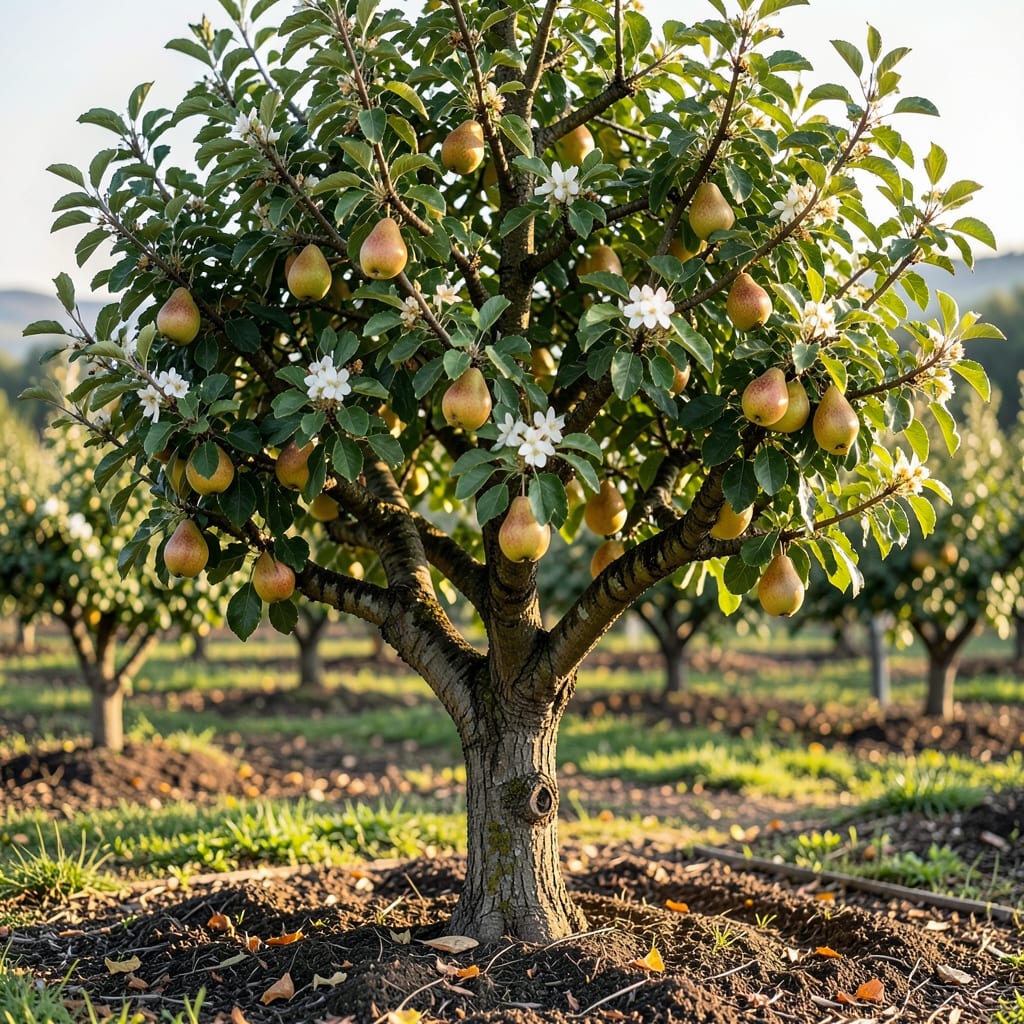
If you're dreaming of fresh, homegrown pears but worried about space, how tall a pear tree can grow matters more than you think. Standard varieties can soar to 50 feet—taller than most two-story homes—while dwarf types stay compact at just 8-12 feet. The right choice depends on your yard size and long-term goals, but here's the game-changer: pruning techniques can shape your tree's future height while boosting fruit production.
Let’s break down the numbers: standard pear trees reach their towering heights over 10-15 years, while dwarf varieties mature in half that time. Semi-dwarf options strike a balance, typically hitting 12-18 feet—ideal for suburban backyards. But climate, soil quality, and sunlight also play starring roles in how tall your tree grows, often surprising even experienced gardeners.
Whether you're a first-time grower or a seasoned orchard keeper, managing a pear tree's height isn't just about aesthetics—it's about maximizing your harvest. I’ll share the 3 pruning secrets that keep trees manageable without sacrificing fruit quality, plus the best compact varieties for small spaces. Ready to turn your pear tree vision into reality?
From choosing the perfect variety to mastering pruning, we’ll cover everything you need to know to grow a thriving pear tree that fits your space—no matter how big (or small) your dreams are. Let’s get started!


Mature heights of popular pear tree varieties compared
Pear trees are stunning additions to any landscape, but their mature height can vary dramatically depending on the variety you choose. A standard pear tree can reach an impressive 40-50 feet tall, while dwarf varieties stay compact at just 8-12 feet. The right choice depends on your space, sunlight, and whether you want easy fruit picking or a statement tree.
Understanding these differences helps you plan your garden layout. For example, a 20-foot semi-dwarf fits well in suburban yards, while a 10-foot dwarf thrives in containers or small urban gardens. Let’s break down the most popular types and their growth expectations.
🌱 Did You Know? Some pear trees can grow 3 feet per year in ideal conditions, reaching maturity in just 5-7 years!
| Variety Type | Mature Height | Growth Rate | Spacing Needs | Best For |
|---|---|---|---|---|
| Standard (e.g., Bartlett, Anjou) | 40-50 ft | 3-5 ft/year | 25-30 ft apart | Large properties, orchards |
| Semi-Dwarf (e.g., Moonglow, Seckel) | 12-18 ft | 2-3 ft/year | 15-20 ft apart | Suburban yards, small farms |
| Dwarf (e.g., Hood’s Patent, Old Home) | 8-12 ft | 1-2 ft/year | 10-12 ft apart | Containers, patios, small gardens |
| Columnar (e.g., Urban Apple/Pear) | 10-15 ft | 2 ft/year | 6-8 ft apart | Narrow spaces, hedgerows |
When selecting a variety, consider your yard size and sunlight exposure. Standard trees need ample space but produce the most fruit, while dwarf varieties are perfect for container gardening or urban settings. Always check the cold hardiness zone (most pears thrive in zones 5-9) to ensure your climate matches the tree’s needs.
Another factor is rootstock. Dwarf trees are grafted onto smaller rootstocks like Quince C or Old Home x Farmingdale, while standard trees use seedling rootstock. The rootstock influences not just height but also disease resistance and fruit quality. For example, Seckel pears on dwarf rootstock stay under 10 feet but produce sweet, small fruits ideal for snacking.
If you’re unsure which variety to pick, start with a semi-dwarf like Moonglow. It grows to 15 feet, fits in most backyards, and yields delicious, juicy pears with minimal pruning. For containers, Hood’s Patent is a top choice—it stays under 8 feet and thrives in 15-gallon pots with proper care.
Pro tip: Always measure your space before planting. A 20-foot tree needs at least 15 feet of clearance from structures, power lines, and other trees to avoid shading and root competition. Use a measuring tape and sketch your garden layout to visualize the tree’s mature size.
🌳 Key Takeaway: The height of your pear tree depends on its variety, rootstock, and pruning habits. Choose wisely—your future harvest depends on it!
Next, let’s explore how to prune your pear tree to control its height while maximizing fruit production—without sacrificing its beauty or health.
Pruning secrets to control pear tree height and shape
Pruning isn’t just about keeping your pear tree from becoming a 50-foot giant—it’s the secret to healthier growth, better fruit production, and a tree that fits your space perfectly. With the right techniques, you can reduce height by 30-50% while encouraging stronger branches and more pears. The key? Timing, tool selection, and knowing which cuts to make.
Most gardeners make one critical mistake: pruning at the wrong time. Late winter or early spring (just before buds swell) is ideal for structural pruning, while summer pruning helps control height and shape. Avoid heavy pruning in fall—it stresses the tree before winter dormancy. I’ll walk you through the exact steps to keep your pear tree manageable without sacrificing its fruit-bearing potential.
✂️ Pro Tip: Always use sharp, clean pruners to make cuts at a 45-degree angle, just above a bud or branch collar. This prevents disease and promotes faster healing.
- Step 1: Remove Dead or Diseased Branches
Cut out any dead wood, broken branches, or those with fungal spots first. This improves airflow and reduces pests.
- Step 2: Thin Out Crowded Branches
Look for branches rubbing against each other or growing inward. Remove 1 in 3 branches to open the canopy and reduce height.
- Step 3: Head Back Vertical Growth
Cut the tips of upward-growing branches by 1/3 to encourage outward growth. This keeps the tree shorter and bushier.
- Step 4: Prune for Shape (Open Center)
Remove branches growing toward the center of the tree to create an open vase shape. This improves sunlight penetration and fruit access.
- Step 5: Summer Pruning for Height Control
In June-July, trim new vertical shoots to 1/2 their length. This redirects energy to fruit production and limits height gain.
- Step 6: Clean Up and Sanitize
Rake up and dispose of pruned branches (don’t compost diseased wood). Wipe pruners with rubbing alcohol between cuts.
If you’re aiming for a dwarf pear tree to stay under 10 feet, focus on heading cuts in early spring and summer pruning every 6-8 weeks. For semi-dwarfs (12-18 feet), prune annually in late winter to remove water sprouts (fast-growing vertical shoots) and thin the canopy. Standard trees need more aggressive pruning—plan for 2-3 hours of work annually to manage their height.
One common misconception is that pruning stunts fruit production. In reality, proper pruning increases yield by improving air circulation and sunlight exposure. A well-pruned tree produces 20-30% more pears than an unpruned one. Just avoid over-pruning—never remove more than 25% of the tree’s foliage in a single session.
🌿 Key Takeaway: Pruning isn’t optional—it’s essential for controlling height, shaping your tree, and boosting fruit. Start with annual late-winter pruning and add summer maintenance for compact varieties. Your future harvest (and your neighbors’ envy) will thank you!
Next, let’s explore the best compact pear tree varieties perfect for small gardens and containers—because even urban gardeners can grow their own pears!