
Size
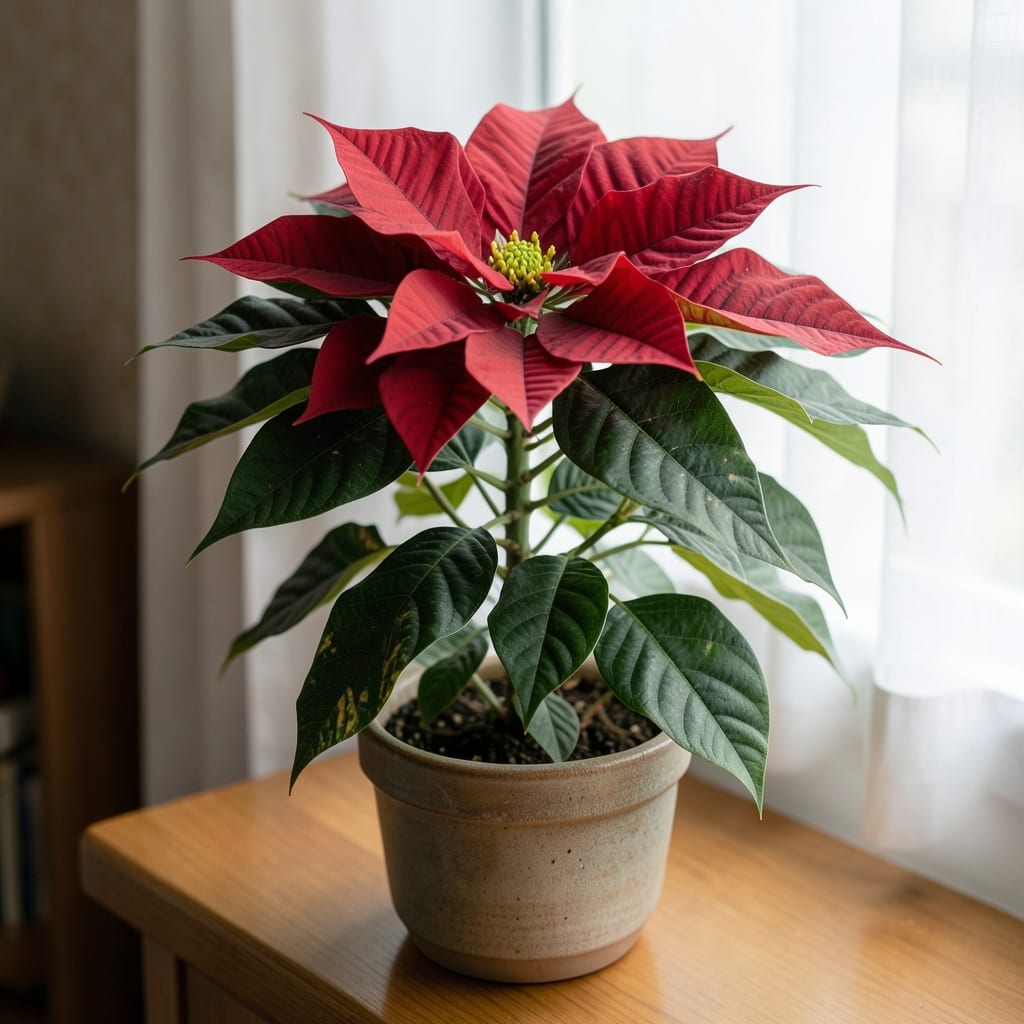
If you’ve ever wondered how tall can a poinsettia grow—whether it’ll stay cozy on your coffee table or stretch toward your ceiling—the answer might surprise you. These festive plants, with their vibrant 🎄 bracts, come in sizes ranging from tiny tabletop charmers to towering holiday centerpieces, all depending on the variety and care you provide.
For most home gardeners, poinsettias typically reach heights between 1 and 4 feet, but dwarf varieties like 'Tiny Tineo' stay compact at just 1-2 feet, making them perfect for apartments or small spaces. On the other end, standard types like 'Premier Red' can grow up to 3-4 feet, ideal for creating dramatic displays in larger rooms or commercial settings.
What you might not realize is that container size, pruning habits, and light exposure play a huge role in controlling height. A poinsettia in a smaller pot will naturally stay shorter, while one in a larger container with ample sunlight can grow significantly taller. Even the time of year affects growth—spring planting gives you more control over final size compared to late-winter starts.
Ready to pick the perfect poinsettia for your space? I’ll break down the exact height ranges for 10 popular varieties, plus pro tips to keep yours at your ideal height—whether you want a compact tabletop plant or a showstopping centerpiece. Let’s dive in!


Poinsettia height ranges by variety: from dwarf to giant sizes
Poinsettias (Euphorbia pulcherrima) are famous for their vibrant holiday colors, but their mature height can vary dramatically depending on the variety you choose. Whether you're decorating a cozy apartment or creating a grand centerpiece, knowing the expected height range helps you plan your space and care routine. Most poinsettias grow between 1 to 4 feet tall, but some specialized varieties can stay as short as 12 inches or reach over 5 feet in ideal conditions.
Height isn’t just about aesthetics—it also affects how you prune, water, and even display your plant. For example, dwarf varieties thrive in small pots on windowsills, while larger types need spacious containers or garden beds to support their stems. Below, we’ve compiled the exact height ranges for 10 popular poinsettia varieties, along with tips to encourage or limit growth based on your space and goals.
🎄 Pro Tip: Poinsettias grown indoors typically stay 20-30% shorter than their outdoor or greenhouse counterparts due to limited light and space. If you’re aiming for a specific height, adjust your light exposure and container size accordingly.
How to control poinsettia height: pruning and care tips for compact growth
If you’ve ever struggled with a poinsettia stretching taller than you intended, you’re not alone! These plants naturally grow toward light, which can lead to leggy stems and a top-heavy appearance. The good news? With the right pruning techniques and care adjustments, you can easily control height—whether you want a compact tabletop plant or a fuller, bushier display.
One of the simplest ways to limit height is by choosing the right container. Poinsettias in smaller pots (6–8 inches wide) naturally stay shorter because their roots have less space to grow. If you’re working with a larger pot, prune the stems early to encourage branching. I recommend pinching back the tips of new growth when the plant is about 6 inches tall—this triggers bushier growth and prevents vertical stretching.
✂️ Pruning Tip: Always prune just above a leaf node (where leaves meet the stem) to encourage new side shoots. Avoid cutting too close to the base, as this can stress the plant and reduce flowering potential. For dwarf varieties, a light trim every 2–3 weeks keeps them tidy, while taller types may need more aggressive pruning to control height.
- Over-pruning: Cutting too much at once can shock the plant and delay blooming.
- Ignoring light needs: Placing your poinsettia in a dark corner causes stretched, weak stems.
- Skipping deadheading: Removing faded bracts (the colorful leaves) encourages new growth.
Light exposure is another critical factor. Poinsettias need bright, indirect light (6–8 hours daily) to stay compact. If your plant is leaning or stretching, it’s likely reaching for more light. Move it closer to an east- or west-facing window, or use a grow light for 12–14 hours a day to maintain even growth. Avoid south-facing windows, where direct sunlight can scorch the leaves and cause uneven growth.
For extra-compact growth, try these pro tips: Reduce watering slightly in the weeks before blooming (let the top inch of soil dry out between waterings), and avoid fertilizing heavily in late summer. Over-fertilizing can lead to excessive leafy growth at the expense of flower production. Instead, use a balanced 10-10-10 fertilizer every 4–6 weeks during the growing season (spring and summer).
Finally, if your poinsettia has already grown too tall, don’t panic! You can still train it downward by gently bending the stems (wear gloves—poinsettia sap is irritating) and securing them with soft ties or floral picks. This method works best for standard varieties and gives you a cascading look perfect for shelves or mantels. With these adjustments, you’ll have a poinsettia that fits your space—and your holiday vision—perfectly!