
How To
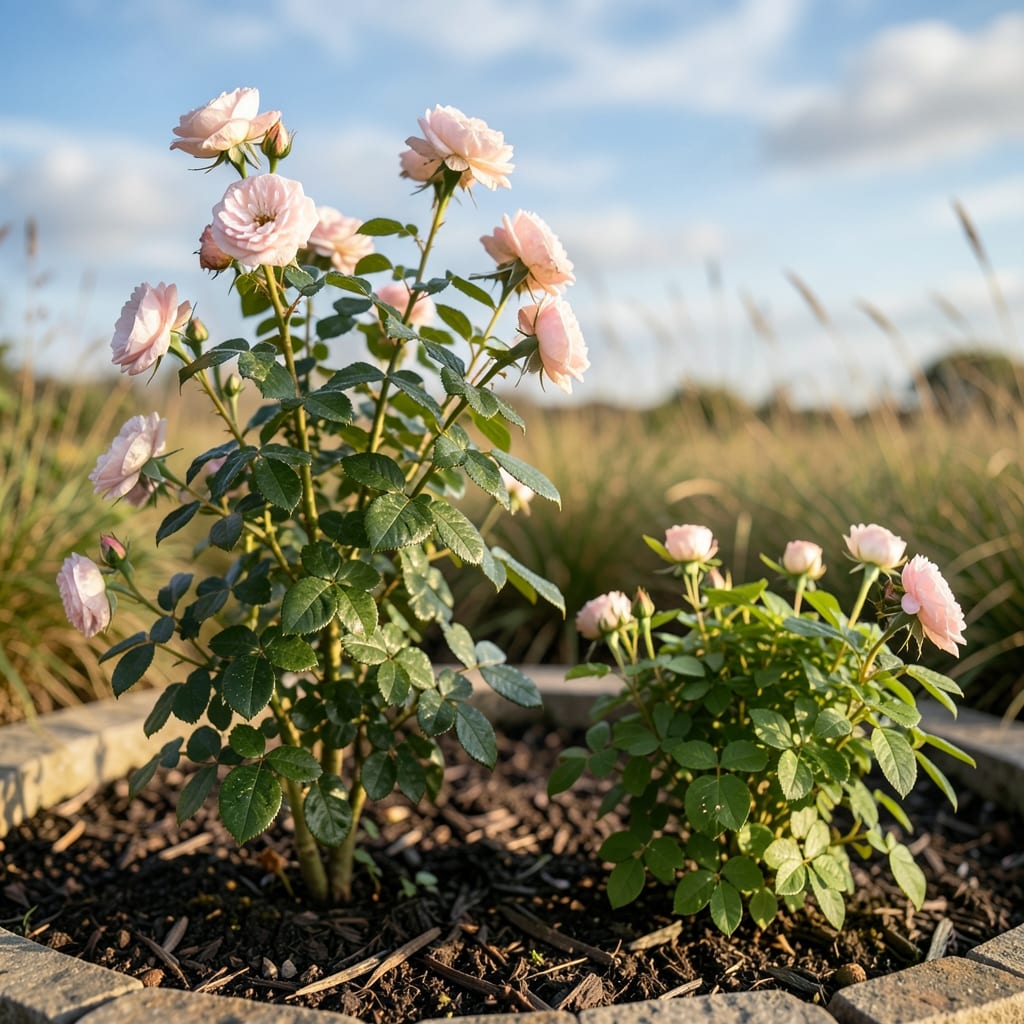
If you’ve ever wondered just how tall that stunning 🌹 rose bush in your neighbor’s yard could grow, the answer depends more on the variety than you might think. Some varieties stay compact enough for window boxes, while others climb like living ladders—reaching heights that will make your garden fence look like a child’s play structure.
The truth is, rose bushes can range from just 1 foot tall to towering 10 feet or more, depending on whether you’re growing a miniature variety or a vigorous climber. Knowing these limits isn’t just about aesthetics—it’s the key to planning your garden layout, choosing the right support structures, and even deciding how aggressively (or gently) you should prune.
In this guide, I’ll break down the height expectations for different rose types, from dainty patio roses to dramatic trellis climbers. You’ll also discover how sunlight, soil, and pruning habits can push your roses to their full potential—or keep them neatly trimmed to fit your space.
Whether you’re dreaming of a romantic arbor or a neatly contained shrub, understanding these growth patterns will help you cultivate the perfect rose bush for your garden’s vision. Let’s get started!


Rose bush height by variety: from miniature to climbing giants
When planning your rose garden, knowing how tall your rose bush can grow is essential for both design and maintenance. The height range of roses varies dramatically—from tiny miniature varieties that fit in window boxes to climbing giants that scale trellises and fences. Understanding these differences helps you choose the perfect rose for your space and pruning needs.
Most gardeners assume all roses grow tall, but the reality is far more diverse. Dwarf roses stay under 3 feet, while climbing roses can reach 15 feet or more with proper support. Even within popular categories like hybrid teas or shrub roses, heights can differ by 3-5 feet depending on the specific cultivar.
| Variety | Mature Height | Spacing Needs | Best For |
|---|---|---|---|
| Miniature Roses | 1-2 ft | 12-18 inches apart | Containers, window boxes, fairy gardens |
| Floribunda Roses | 2-4 ft | 2-3 ft apart | Borders, hedges, small gardens |
| Hybrid Tea Roses | 3-6 ft | 3-4 ft apart | Cut flowers, formal gardens, focal points |
| Shrub Roses | 4-8 ft | 4-6 ft apart | Mass planting, naturalized areas, privacy screens |
| Climbing Roses | 8-15+ ft | 5-6 ft from support | Arbors, trellises, fences, pergolas |
| Standard Roses | 6-10 ft (including grafted stem) | 4-5 ft apart | Patio centers, formal gardens, entryways |
🌹 Note: Heights are approximate and can vary based on pruning and growing conditions.
If you're working with limited space, miniature roses or dwarf varieties are perfect for containers or small gardens. These roses typically stay under 2 feet tall, making them ideal for window boxes or balcony planters. Varieties like 'Fairy' or 'Baby Boomer' are popular choices for this purpose.
For larger gardens, shrub roses and hybrid teas offer a balance between height and manageability. These varieties usually reach 4-6 feet at maturity, making them great for border plantings or mixed flower beds. Just be sure to give them enough space—crowding can lead to poor airflow and increased disease risk.
When it comes to dramatic vertical impact, climbing roses are unbeatable. With heights ranging from 8 to 15 feet, they're perfect for covering fences, trellises, or pergolas. Popular climbing varieties like 'New Dawn' or 'Blaze' can even reach 20 feet with proper training and support.
One variety that often confuses gardeners is the standard rose. Unlike other types, standard roses are grafted onto a tall stem, giving them a tree-like appearance. The grafted stem alone can reach 4-6 feet, while the rose bush on top adds another 3-5 feet, making the total height 6-10 feet. These are stunning for patio centers or formal gardens but require more maintenance.
Before planting, always check the specific cultivar's height range in your rose catalog or nursery guide. Some roses labeled as "shrub roses" might actually grow taller than expected, while others might stay shorter. Pruning habits can also influence final height—aggressive pruning keeps roses compact, while minimal pruning allows them to reach their full potential.
For example, if you plant a climbing rose like 'Zephirine Drouhin' without proper support, it might sprawl instead of growing vertically. But with a sturdy trellis or arbor**, it can climb <
5 Factors that determine your rose bush's maximum height
Your rose bush’s height isn’t just about its variety—it’s also shaped by the environment you provide. These five key factors can push your roses to soar or keep them modestly sized, sometimes even doubling their expected growth. Let’s explore how each one influences your rose’s vertical potential.
First, sunlight exposure plays a massive role. Roses thrive in full sun (6+ hours daily), but too little light stunts growth. In shady spots, even vigorous climbers may only reach half their potential height. I’ve seen ‘New Dawn’ climbers—normally 10-15 feet—struggle to 5 feet without proper light.
The second factor is soil quality and drainage. Rich, well-draining soil packed with organic matter gives roots the nutrients they need to support taller growth. Heavy, compacted soil, on the other hand, can restrict root expansion, limiting height. I always recommend amending clay soil with compost and perlite to encourage upward growth.
Watering habits also make a difference. Consistent deep watering (1-2 inches per week) helps roses reach their full height potential, while inconsistent watering leads to stunted growth. During heatwaves, I increase watering to daily deep soaks to prevent stress that could limit vertical expansion.
Support structures are critical for varieties like climbers and ramblers. Without proper trellises, arbors, or stakes, even genetically tall roses may sprawl instead of growing upward. I’ve seen ‘Blaze’ climbers reach 20 feet with support but only 8 feet without it—proof that structure matters!
Finally, pruning practices directly control height. Heavy pruning keeps shrub roses compact, while minimal pruning allows climbers to reach their maximum potential. I’ll cover this in detail in the next section, but remember: pruning too aggressively can permanently limit a rose’s height.
- 🌞 Sunlight: 6+ hours/day for full growth potential; shade reduces height by 50%
- 🌿 Soil: Well-draining, nutrient-rich soil supports taller growth; compacted soil stunts roots
- 💧 Watering: Deep weekly watering fuels vertical growth; inconsistent watering limits height
- 🪴 Support: Trellises/arbors enable climbers to reach 20+ feet; no support = sprawling growth
- ✂️ Pruning: Minimal pruning = maximum height; heavy pruning keeps roses compact
Understanding these factors lets you fine-tune your rose’s growth to match your garden’s vision. Want a towering ‘Climbing Iceberg’? Focus on sunlight, support, and minimal pruning. Prefer a neat 3-foot shrub? Prune regularly and choose a dwarf variety. The choice is yours!