
Succulent
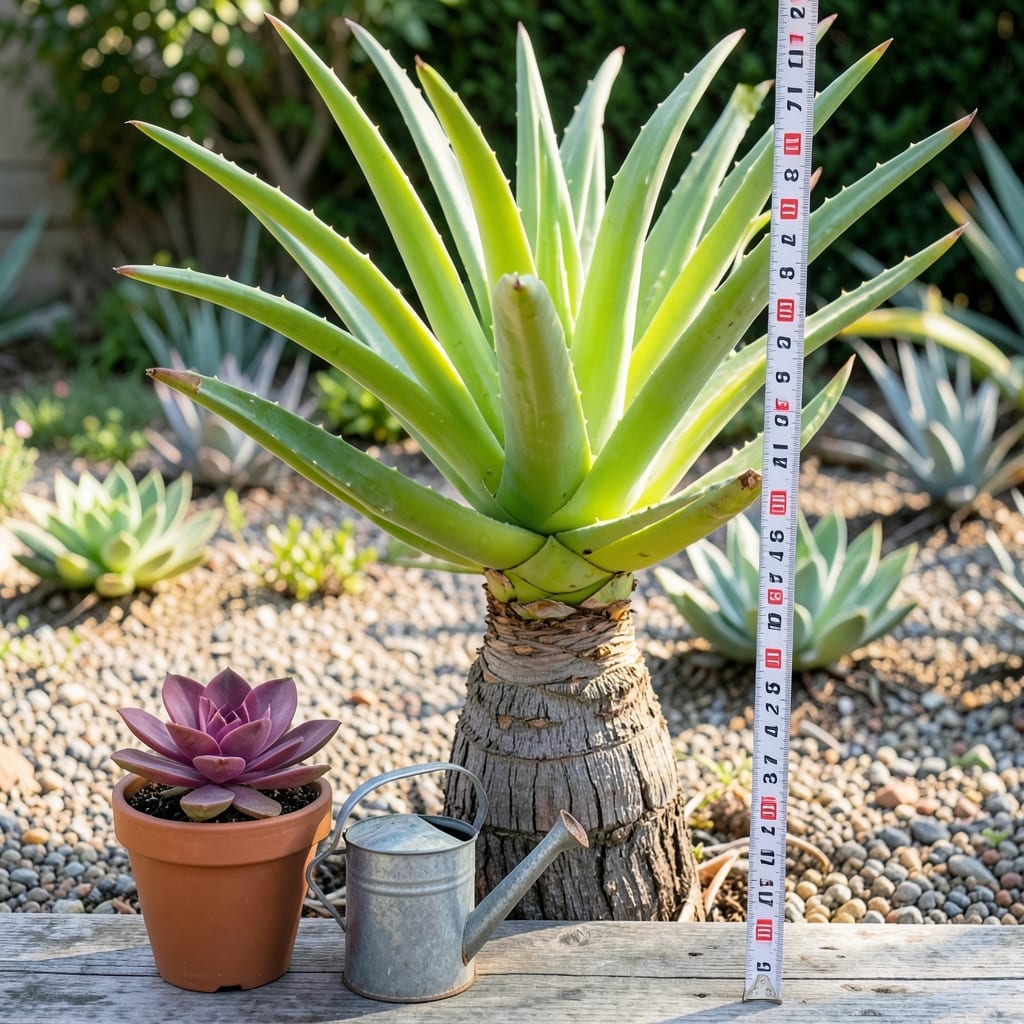
If you’ve ever wondered how tall a succulent can grow and whether your adorable 🌵 will stay cute and compact or stretch into a towering plant, the answer depends on its species—and the care you give it. Some varieties top out at just a few inches, while others can reach heights that rival small trees, making a big difference in how you plan your garden or indoor space.
The truth is, succulent height isn’t just about genetics—it’s also about light, soil, and even the pot you choose. Whether you’re dealing with a tiny Echeveria or a fast-growing Agave, understanding these factors will help you control their growth and keep them thriving. Let’s break down what determines how tall (or short) your plants will grow.
For beginners, knowing these limits can save you from overcrowded pots or unexpected surprises. And for seasoned gardeners, fine-tuning care based on species can mean the difference between a leggy mess and a lush, well-shaped plant. Ready to learn how to keep your succulents at the perfect height?
We’ll cover everything from dwarf varieties that stay under 6 inches to giants that can soar over 10 feet, plus tips to prune or repot when needed. Whether you’re designing a windowsill garden or a desert-inspired landscape, this guide will help you grow succulents that fit your space—and your style.

Succulent height limits by variety: from tiny to towering giants
Succulents come in every size imaginable, from palm-sized wonders that fit on a windowsill to tree-like giants that dominate desert landscapes. The mature height of a succulent is one of the first things to consider when choosing plants for your collection or garden. For example, a Haworthia might stay under 4 inches while a Century Plant (Agave americana) can reach 30 feet in the wild!
Understanding these height ranges helps you plan spacing, pot sizes, and even whether a plant will thrive indoors or outdoors. Many gardeners assume all succulents stay small, but the truth is far more exciting—and sometimes surprising. Let’s explore the height spectrum so you can pick the perfect plants for your space.
🌵
| Variety | Mature Height (Indoor/Outdoor) | Growth Rate | Best For |
|---|---|---|---|
| Echeveria (e.g., 'Lola') | 2–4" / 4–6" | Slow to moderate | Windowsills, fairy gardens |
| Haworthia (e.g., 'Zebra') | 3–5" / 5–8" | Slow | Desk plants, terrariums |
| Sedum (e.g., 'Morganianum') | 6–12" / 12–24" | Moderate | Hanging baskets, rock gardens |
| Jade Plant (Crassula ovata) | 1–3 ft / 3–5 ft | Slow to moderate | Indoor statement plants, bonsai |
| Aloe Vera | 1–2 ft / 2–3 ft | Moderate | Kitchens, sunrooms, medicinal gardens |
| Agave (e.g., 'Blue Glow') | 2–4 ft / 6–10 ft | Very slow (but massive!) | Outdoor landscapes, desert gardens |
| Panda Plant (Kalanchoe tomentosa) | 1–2 ft / 2–3 ft | Slow |
What determines a succulent’s final height: 5 critical factorsYour succulent’s final height isn’t just about its species—it’s a mix of genetics, care, and environment. Understanding these 5 key factors lets you nudge growth in the right direction, whether you want a compact Echeveria or a sprawling Agave. Let’s break down what really controls how tall (or short) your plants become. First, light exposure plays a huge role. Succulents crave sunlight—the more they get, the faster they grow. A sun-loving Agave left in shade might stay stunted, while one basking in full sun could reach its 10-foot potential. Indoor plants near a south-facing window grow taller than those tucked in dim corners, so placement matters more than you think. Next, pot size directly impacts root growth. A root-bound succulent in a tiny pot will focus energy on stretching upward, while a spacious container encourages bushier, controlled growth. If your Jade Plant is shooting up like a weed, it’s time to check its roots—and maybe upgrade its home. Your watering habits also shape height. Succulents store water, so overwatering tricks them into growing fast and leggy, while underwatering can stunt them. The key? Let soil dry completely between waterings. A thirsty Jade Plant will stretch toward light, while a happy one stays sturdy and compact. Don’t forget seasonal changes. Succulents grow fastest in spring and summer, then slow down in winter. If your Sempervivum seems dormant in winter, it’s not dying—it’s conserving energy. Adjust care to match the season, and you’ll avoid unexpected height spikes or growth halts. Finally, species genetics set the baseline. A Haworthia will never grow taller than 6 inches, no matter how much sun you give it, while an Agave can reach 10 feet with the right conditions. Know your plant’s natural limits, and you’ll avoid disappointment—and overcrowded shelves! |