
Succulent
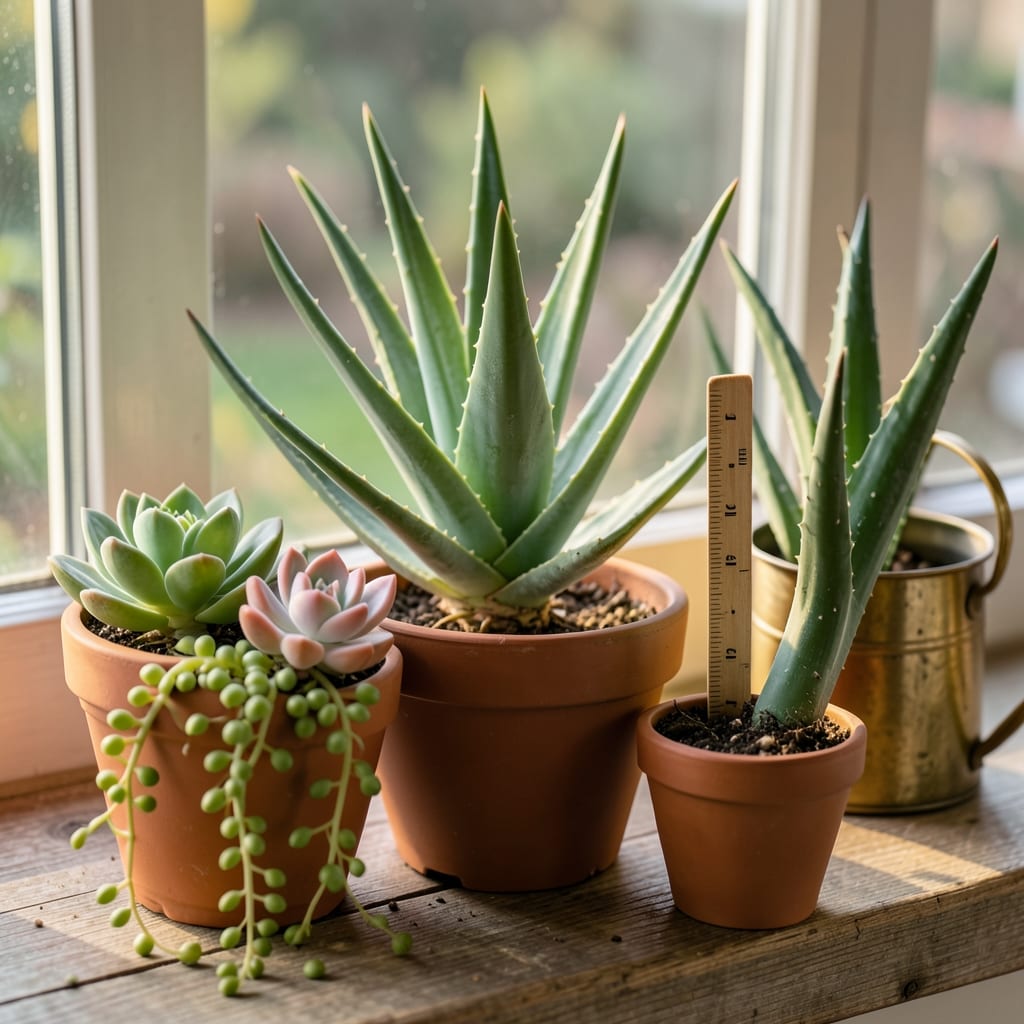
If you’ve ever wondered how tall succulents can grow, the answer lies in the species—and your care habits. Some varieties max out at just 3 inches, while others can reach 10 feet with the right conditions. The key? Understanding their natural growth patterns and how sunlight, soil, and pruning shape their height over time.
Let’s break down the surprising range of succulent sizes, from dwarf rosettes that fit in your palm to tree-like giants that need their own space. Whether you’re dreaming of a lush vertical garden or just want to keep your plants manageable, knowing these limits helps you plan your garden layout—and avoid awkward repotting surprises.
What if your succulent starts stretching toward the light like it’s reaching for the sky? We’ll cover how to control height naturally, including pruning tips and the best pots to keep growth in check. Plus, I’ll share the secrets behind some of the most unusual succulents that defy expectations—like the ones that grow sideways or stay stubbornly small no matter how much you water them.
Ready to predict (and shape) your succulents’ future? By the end, you’ll know exactly what to expect—and how to steer their growth in the direction you want.


Succulent height limits by variety: from tiny to towering giants
Succulents come in every size imaginable, from palm-sized rosettes to tree-like giants that need their own garden space. The height difference isn’t just about looks—it’s tied to their natural growth habits, water storage capacity, and even their native habitats. For example, desert-dwelling succulents like Agave evolved to grow tall to avoid extreme ground temperatures, while forest-floor varieties like Haworthia stay low to thrive in shaded conditions.
If you’re planning your collection, knowing these limits helps you choose plants that fit your space—and your patience. Some succulents mature in just a few years, while others take decades to reach their full height. Let’s explore the spectrum, starting with the tiny wonders that fit in your hand and ending with the monstrous giants that need careful planning.
🌵 Visual Growth Guide: Below is a comparison of popular succulent varieties, organized by their mature height ranges. Use this as your cheat sheet for selecting plants that match your garden’s scale—whether you’re designing a windowsill display or a sun-drenched outdoor border.
| Variety | Mature Height | Growth Rate | Care Notes |
|---|---|---|---|
| Echeveria 'Lola' | 2–3 inches | Slow | Ideal for terrariums; loves bright indirect light |
| Haworthia attenuata | td style="padding: 8px;">3–6 inchesModerate | Drought-tolerant; great for shaded spots | |
| Jade Plant (Crassula ovata) | 3–5 feet (indoors) | Slow to moderate | Prune to control height; needs bright light |
| Aloe Vera | 2–3 feet | Moderate | Offsets easily; repot every 2–3 years |
| Agave parryi | 2–3 feet | Very slow | Cold-hardy; minimal watering needed |
| Paddle Plant (Kalanchoe luciae) | 1–2 feet | Fast | Bright red edges; thrives in full sun |
| Beaucarnea recurvata (Ponytail Palm) | 6–10 feet | Slow | Drought-resistant; store water in trunk |
| Mesa Cactus (Pilosocereus pachycladus) | 4–6 feet | Very slow | Needs full sun; minimal water |
| String of Pearls (Senecio rowleyanus) | 3–6 inches (trailing) | Moderate | Hanging planter ideal; bright light |
| Burro’s Tail (Sedum morganianum) | 1–2 feet (trailing) | Fast | Needs support; keep soil dry |
The Jade Plant and Ponytail Palm are classic examples of how succulents can become statement pieces in your home or garden. A Jade Plant left unpruned can easily reach 5 feet indoors, while a Ponytail Palm’s thick, water-storing trunk can swell to 3 feet in diameter over decades. These giants aren’t just for outdoor spaces—with the right light and container, they thrive indoors too.
On the opposite end of the spectrum, Echeveria and Haworthia varieties are perfect for small spaces or terrariums. Their compact growth makes them ideal for windowsill gardens or desk collections. The key to keeping them small? Bright, indirect light and well-draining soil. Overwatering or too much shade will stretch their stems, making them leggy and top-heavy.
If you’re eyeing a tall succulent like an Agave or Paddle Plant, plan for their mature size early. These plants develop a woody base over time, which can make repotting difficult. Choose a large, sturdy pot from the start, and avoid placing them near walkways where their sharp leaves could pose a hazard.
Pro tip: Offsets are your friend when managing height. Many succulents, like Aloe Vera and Haworthia, produce
If your succulents are stretching toward the light like over-caffeinated coffee drinkers, it’s time to take control. Leggy growth isn’t just unsightly—it’s a sign your plants are searching for sunlight or cramped in their pots. The good news? With the right techniques, you can guide their growth and keep them at your desired height, whether that’s a compact desk buddy or a managed vertical garden. The first tool in your arsenal is pruning. This isn’t just about trimming unsightly stems—it’s about encouraging bushier, healthier growth. When you prune, you’re telling your succulent to focus energy on lateral branches instead of reaching upward. Plus, those cuttings can root into new plants, giving you free propagation material. Think of it as a win-win for both aesthetics and multiplication. Here’s the key: Prune in spring or early summer, when your succulents are in their active growth phase. Use a clean, sharp pair of scissors or pruning shears to snip just above a leaf node or joint. Avoid tearing the plant—this can introduce bacterial infections. For tall, leggy stems, cut them back by one-third to half their height. This shock might seem drastic, but your succulent will thank you with fuller, more compact growth.How to control succulent height: pruning, repotting, and light secrets
🌱 DIY Succulent Pruning