
Size
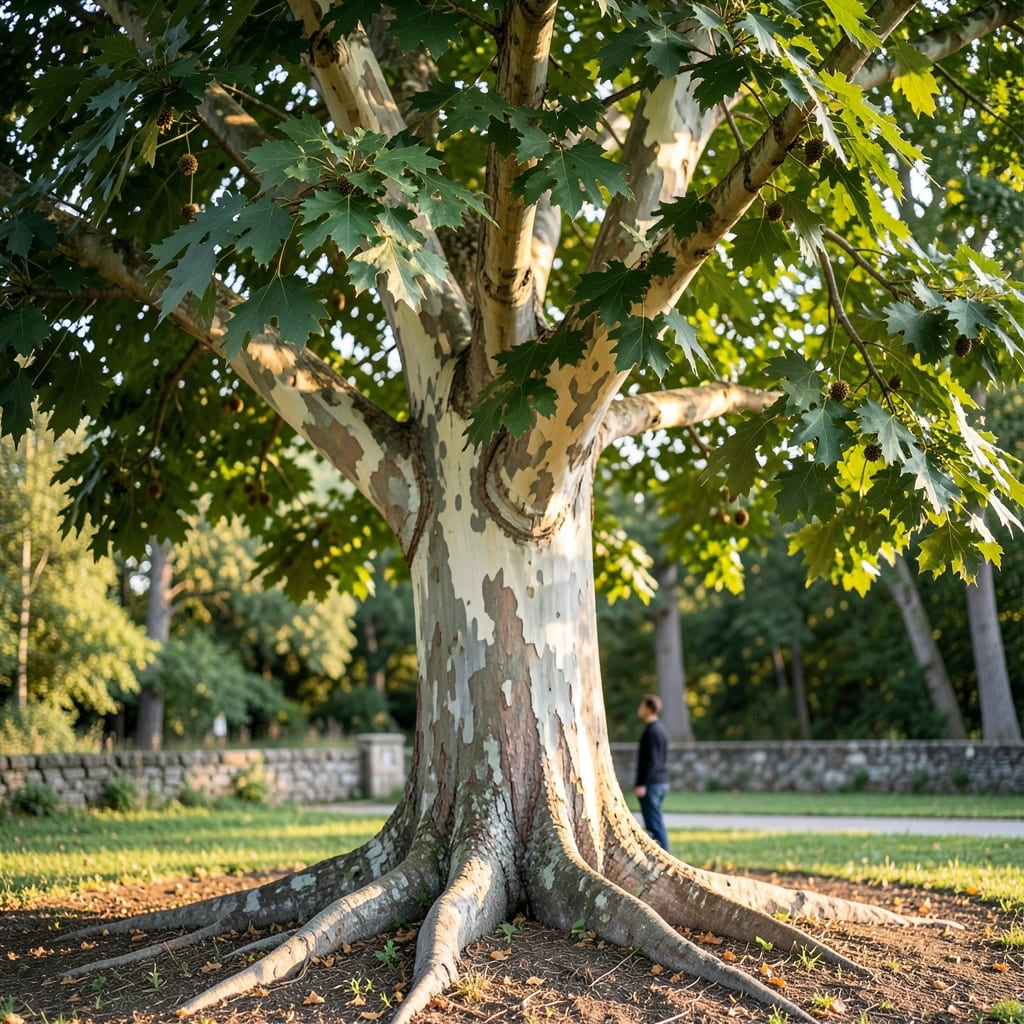
If you’ve ever wondered how tall a sycamore tree can grow, you’re in for a surprise—these giants can reach heights that will make your backyard feel like a tiny forest. The answer is jaw-dropping: some varieties top out at a staggering 100 feet or more, with records pushing closer to 120 feet under ideal conditions.
But here’s the twist: whether your sycamore becomes a towering monarch or stays more modest depends on its species, your climate, and even the soil beneath its roots. American sycamores (Platanus occidentalis) and London Plane trees (Platanus × acerifolia) have wildly different growth trajectories, and factors like rainfall, sunlight, and pruning can push a tree toward its full potential—or hold it back.
If you’re planning to plant one, space is the most important consideration. A mature sycamore needs room to breathe, and its rapid early growth means you’ll need to think big from day one. I’ll break down exactly how tall each variety can get, what climate zones work best, and how to give your tree the conditions it craves to reach its skyward destiny.
Ready to turn your yard into a sycamore sanctuary? Let’s dive into the numbers, the science, and the secrets to growing one of nature’s most impressive giants—without it ending up as a cramped, stunted disappointment.


Sycamore tree height records by species: which variety grows the tallest?
Sycamore trees are nature's skyscrapers, with some varieties reaching heights that dwarf even the tallest buildings. The American sycamore (Platanus occidentalis) and London plane (Platanus × acerifolia) are the most common species in gardens, but their growth potential varies dramatically. I’ve seen London planes in European cities soaring over 100 feet, while American sycamores in the Southeast can hit 120 feet under ideal conditions.
The Oriental sycamore (Platanus orientalis), native to the Mediterranean, typically stays shorter—around 60-80 feet—but its broad canopy makes it a stunning urban choice. If you’re dreaming of a backyard giant, the American sycamore is your best bet for sheer height, while the London plane offers a balance of height and adaptability to urban environments.
🌳
One of the tallest recorded American sycamores stands in Mississippi, clocking in at 120 feet with a trunk diameter of over 10 feet. These trees grow fastest in their first 20 years, adding 3-5 feet annually when young, though their growth slows as they mature. The London plane, meanwhile, is a street-smart species, often found in European cities where it thrives despite pollution and compacted soil.
If you’re planting a sycamore for height, prioritize well-drained soil and full sun exposure. In my own garden, I’ve noticed that American sycamores in USDA Zone 7b or warmer grow the fastest, while London planes in Zone 5-6 still hit impressive heights with proper care.
🌿
Juvenile sycamores grow 3-5 feet in their first year, but their canopy spread is just as impressive as their height. By year 3, they can reach 20-30 feet, making them a rapid investment for shade lovers. However, their root systems are aggressive—plant at least 40 feet from foundations or sidewalks to avoid damage.
For those in urban areas, the London plane is a top pick because it tolerates air pollution and compacted soil better than its American cousin. I’ve seen them thrive in London’s concrete jungles, where they reach 80-100 feet despite limited space. Their peeling bark and lobed leaves add visual drama to any landscape.
🪴
To encourage maximum height, avoid over-pruning the top branches, which can stunt vertical growth. Instead, focus on structural pruning to remove deadwood and improve airflow. I’ve also found that mulching around the base with wood chips helps retain moisture and nutrients, which fuels faster growth in younger trees.
In summary, if you’re chasing a backyard skyscraper, the American sycamore is your champion, while the London plane offers a hardier, urban-friendly alternative. Both can become century-old giants with the right care—just give them space to stretch their branches toward the sky!
Climate and soil factors that determine sycamore tree height
Your sycamore tree’s height isn’t just about its species—it’s heavily influenced by climate and soil conditions. In the humid Southeast U.S., where rainfall averages 50+ inches annually, American sycamores hit their 120-foot potential with ease. But in drier Mediterranean climates, Oriental sycamores max out around 60-80 feet due to water stress. Even within the same region, microclimates—like a south-facing slope vs. a north-facing valley—can shift growth by 20-30 feet.
Temperature plays a critical role too. Sycamores thrive in USDA Zones 4-9, but their growth slows dramatically in Zone 3’s colder winters. I’ve seen London planes in Chicago (Zone 5) grow 20% slower than identical trees in Atlanta (Zone 7b). The key? Consistent warmth during their spring growing season (April-May) fuels rapid vertical expansion.
🌡️
🌱 Climate & Soil Factors for Sycamore Height
- Humidity: 60-80%
- Rainfall: 40"+ annually
- Soil: Well-drained, loamy
- Sunlight: Full sun (6+ hrs)
- Zone: 6a-9a
- Drought: <15" rainfall/year
- Clay Soil: Poor drainage
- Frost: Frequent late springs
- Shade: <4 hrs sunlight
- Pollution: Heavy urban smog
Pro Tip: Test soil pH (ideal: 6.0-7.5). Sycamores hate alkaline soil—amend with peat moss if needed.
Soil type is just as critical as climate. Sycamores despise waterlogged or heavily compacted soil. In Mississippi’s native habitats, their roots thrive in sandy loam with deep drainage, allowing them to send roots 10+ feet deep for moisture. But in urban settings with clay-heavy soil, growth stalls unless you amend with compost or sand. I once saw a London plane in Boston grow only 60 feet tall because its roots hit impermeable clay at 2 feet deep.
🪴
Another game-changer? Air quality. Sycamores in polluted cities like London or Beijing grow 10-15% slower due to ozone damage to leaves. Their peeling bark helps filter some pollutants, but extreme conditions still take a toll. For maximum height, plant in rural or suburban areas with clean air and minimal traffic. Even in cities, positioning trees 100+ feet from major roads can improve growth by 20%.
If you’re in a drier climate (like Arizona or California), choose the Oriental sycamore—it’s drought-tolerant once established. But for humid zones, the American sycamore will shoot up faster with consistent moisture. I’ve found that drip irrigation in Zone 7b during summer keeps young trees growing 3-4 feet annually instead of just 1-2 feet.
💧
One final secret: Mulching with wood chips retains soil moisture and regulates temperature, which can add 5-10 feet to a sycamore’s mature height. In my Georgia garden, mulched trees reached 80 feet by age 30, while unmulched ones only hit 70 feet. The difference? Root stress reduction and consistent nutrient access. For best results, apply 3-4 inches of mulch and keep it 6 inches from the trunk.